How can a miniature car traveling just twenty meters introduce school students to F1 engineering and teamwork? Motorsport.com's October 19 interviews recorded STEM Racing participants' and alumni's experiences. Combined with official results, they show two parallel tests: build a fast car and deliver a complete small-team project.
From design to manufacture, produce a compliant car first
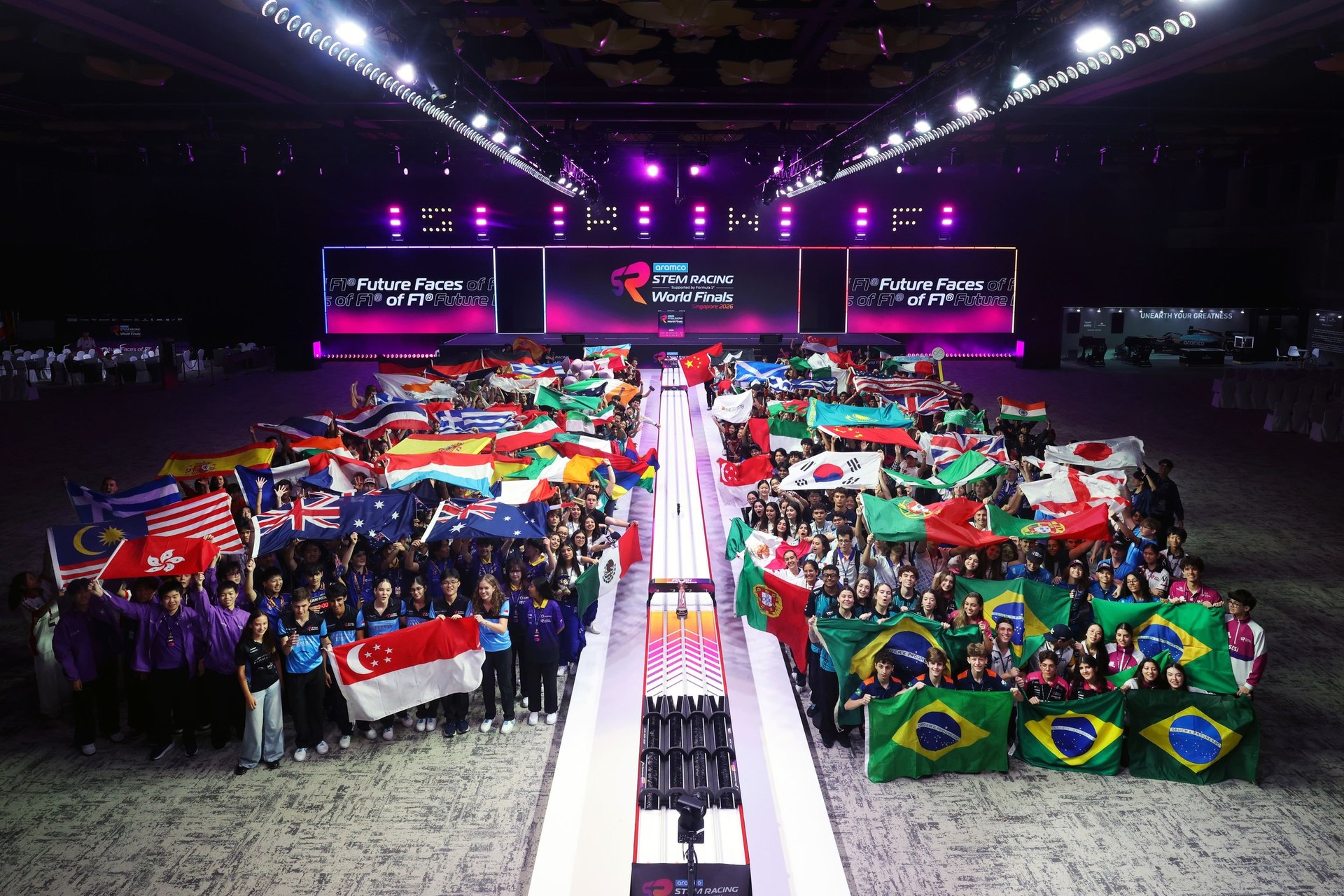
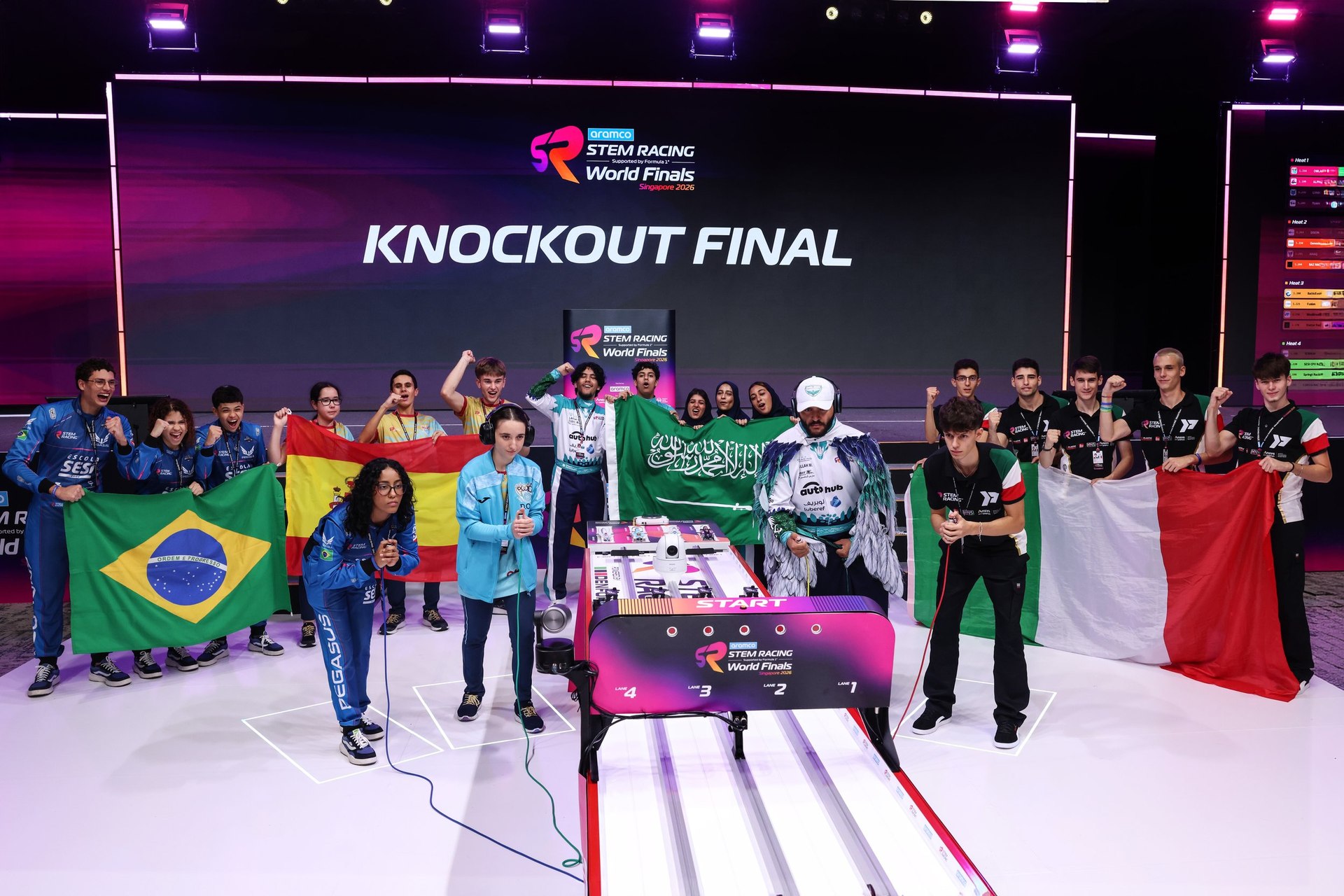
The 2026 Singapore world finals included 91 student teams from 36 countries, each with three to six members. Cars travel straight along twenty meters powered by CO2 cartridges. The speed challenge depends on completed design, manufacturing and technical checks.
Students design bodies in CAD and manufacture them through CNC machining, with front and rear wings available through 3D printing. Drag reduction, assembly and inspection under strict rules must connect within one project, turning drawings into a physical entry.
Who took the fastest time and overall title?
The organizer announced on October 8 that Saudi Arabia's LYNX RACING won overall, with Germany's aiXplosion second and Spectrum third. Hong Kong, China's Quasar set the event's fastest race time, 1.025 seconds. The overall title includes activities beyond the track.
The official description says an international judging panel of around 100 assesses engineering, appearance, project management, business skills, teamwork, oral presentation and racing. Alongside the overall title, LYNX won Team Identity and earned nominations in project management, car engineering, sponsorship and marketing, presentation, and research and development.
Results therefore distinguish individual timing from complete delivery: Quasar led race time, while LYNX's title reflects accumulated performance across scoring areas. Overall contenders must bring engineering, organization and external communication together.
From student projects to different careers
Now a Williams structural design engineer, Laurence Vines recalled to Motorsport.com first using design software through the competition at fifteen. He later studied mechanical engineering at University College London and interned at Williams. He felt it exposed him to computational fluid dynamics and finite-element analysis before university courses did.
Amy Martin followed another path: engineering studies, a switch to finance and eventually financial controlling at Mercedes High Performance Powertrains. In the same report, she said presenting to professional judges developed confidence in speaking and communication.
McLaren Racing Director Randy Singh also emphasized detailed technical practice and teamwork. He listed STEM Racing, Formula Student and rocket projects as different team-based technical experiences through which young people can develop.
INKA SPORTS analysis: How a project connects individual skills
The training value comes from interdependent tasks: design must be manufactured, the car must satisfy regulations and the team must explain its solution to sponsors and judges. With at most six members, engineering, management and communication are hard to separate. Individuals must place their work within shared delivery deadlines.
Different fastest-time and overall winners illustrate that assessment. One outstanding skill can earn an individual award; overall scoring requires several areas working together. Vines' and Martin's careers show connections to technical and business roles, with destinations still dependent on later study, placements and opportunities.
Conclusion
STEM Racing provides team engineering with defined rules, tangible results and public presentation. Students exploring F1 careers should consider not only car time but also how to contribute design, manufacturing or communication to a shared project and develop it in subsequent specialist study.