When an F1 driver says the radio is broken, different failures may be involved: hearing the team but being unable to reply, relying on pit boards, or a team losing both communication and data. Cases published by F1 on October 18 provide specific distinctions.
Receiving instructions does not mean the team can hear the driver
At the 2026 Singapore Grand Prix, Max Verstappen could still hear race engineer Gianpiero Lambiase, but the team could not hear his replies. Lambiase switched to yes-or-no questions, with silence or a button press providing simple responses, while Red Bull also used pit boards.
This preserved part of the communication: the engineer could still deliver information and confirm answers through fewer actions. It did not restore normal conversation or establish one button as a solution to all radio failures. The report gave no universal button procedure.
Verstappen had the same directional problem late in the 2021 French Grand Prix: receiving but not transmitting. Lambiase suggested moving the microphone when convenient, but the problem continued to the finish. Verstappen downplayed its effect because he had already completed his pit stop when it occurred.
Visual methods help but may leave critical unknowns
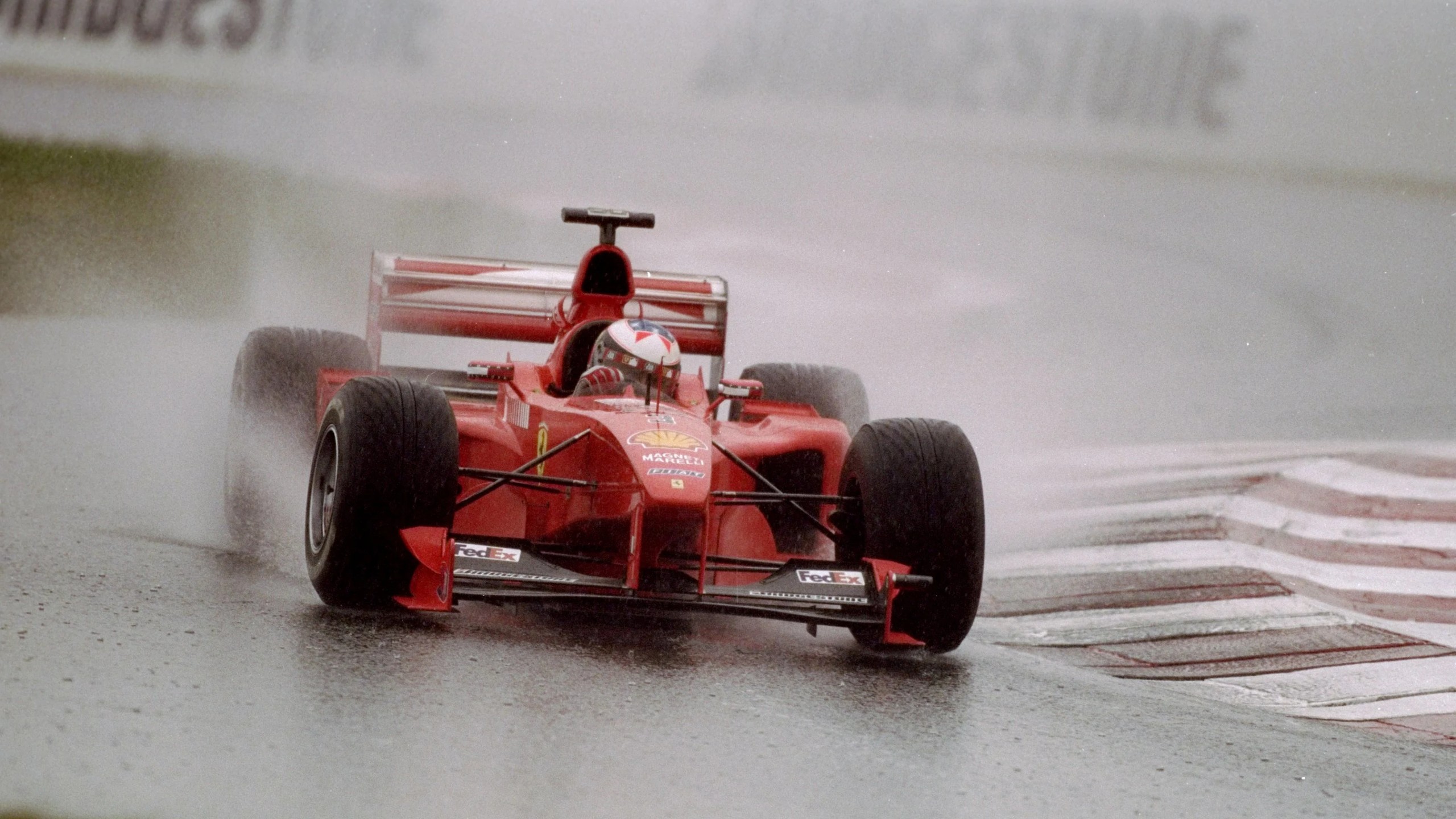
At the 1999 French Grand Prix, Michael Schumacher's Ferrari lost pit communications. He gestured toward the onboard camera so the team could interpret the pictures. This restored some expression without audio, but his eventual fifth place cannot all be attributed to the radio.
Albon lost radio from the lap to the grid at the 2025 Las Vegas Grand Prix and chiefly used pit boards afterward. The Williams driver said he could not determine damage after contact at the start and retired to avoid a safety risk. The boards provided contact without resolving the crucial post-incident uncertainty.
Garage communication and data failures broaden the problem
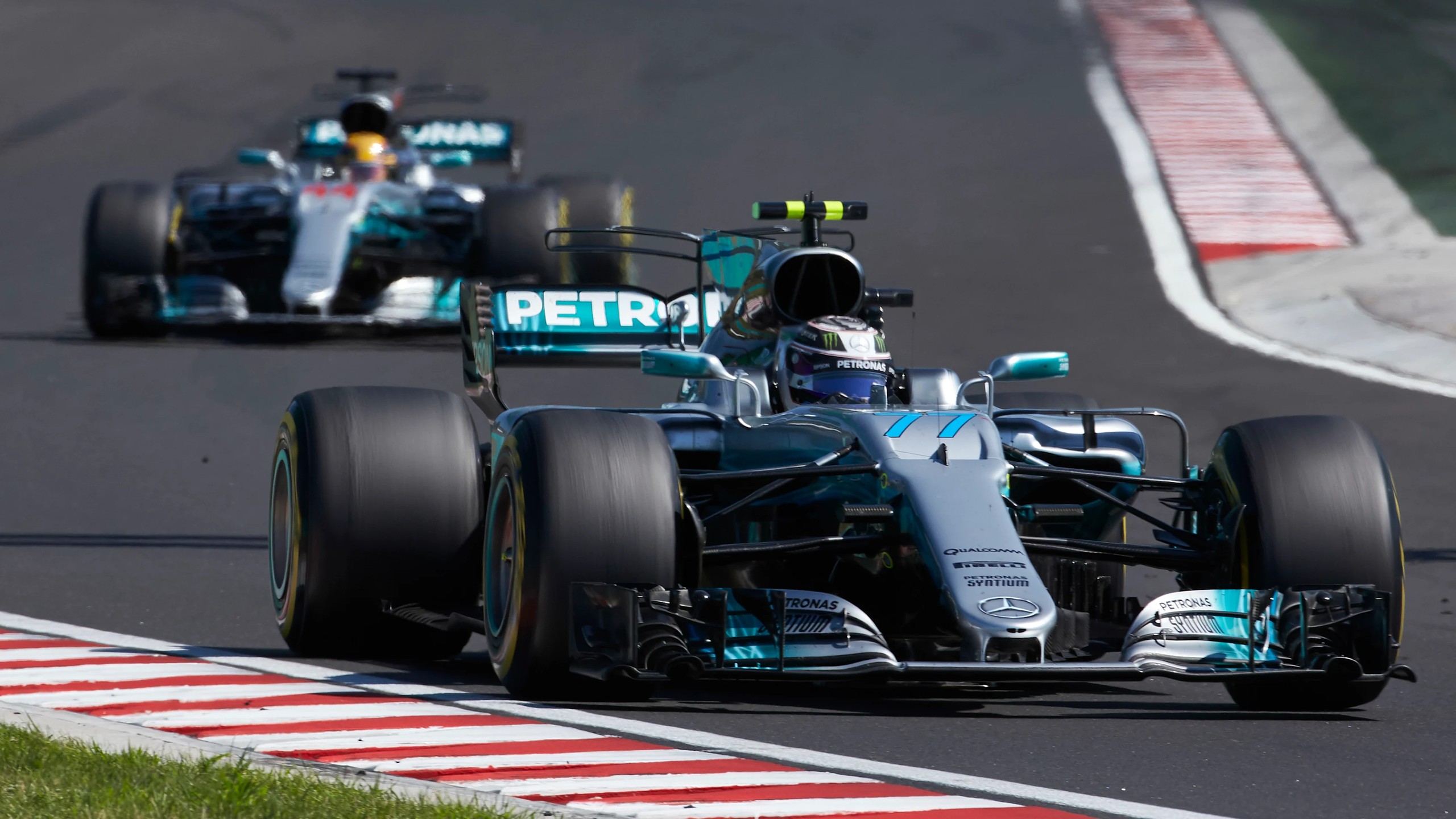
Both Bottas' and Hamilton's Mercedes were affected by communications problems at the 2017 Hungarian Grand Prix. Toto Wolff explained that a cracked fiber-optic cable disrupted the entire communications and data system. That describes the team's system failure rather than one driver's headset.
Mercedes let Hamilton pass Bottas to pursue Ferrari; failing to overtake Räikkönen, he returned the position as planned. Hamilton felt the switch could have happened earlier without communications problems. That is his assessment of execution, not proof that restored communication would necessarily alter the winner.
INKA SPORTS analysis: Identify which information channel is lost
The cases differ first in what remains. Singapore's one-way reception allowed instructions and short responses; gestures and boards moved some communication to vision. Albon shows that backup contact and confirming post-incident safety are separate tasks. The 2017 simultaneous loss of communications and data also affected coordination between cars. Whether backup supports continued racing depends on the specific information needing transmission and confirmation, not just finishing.
Conclusion
Consequences depend on failure direction, timing and outstanding information. France in 2021 occurred after the pit stop, unlike unverified crash damage in Las Vegas. Positions alone cannot compare severity. Assessing a response requires checking what the remaining channels conveyed, whether key uncertainties were answered and participants' accounts afterward.