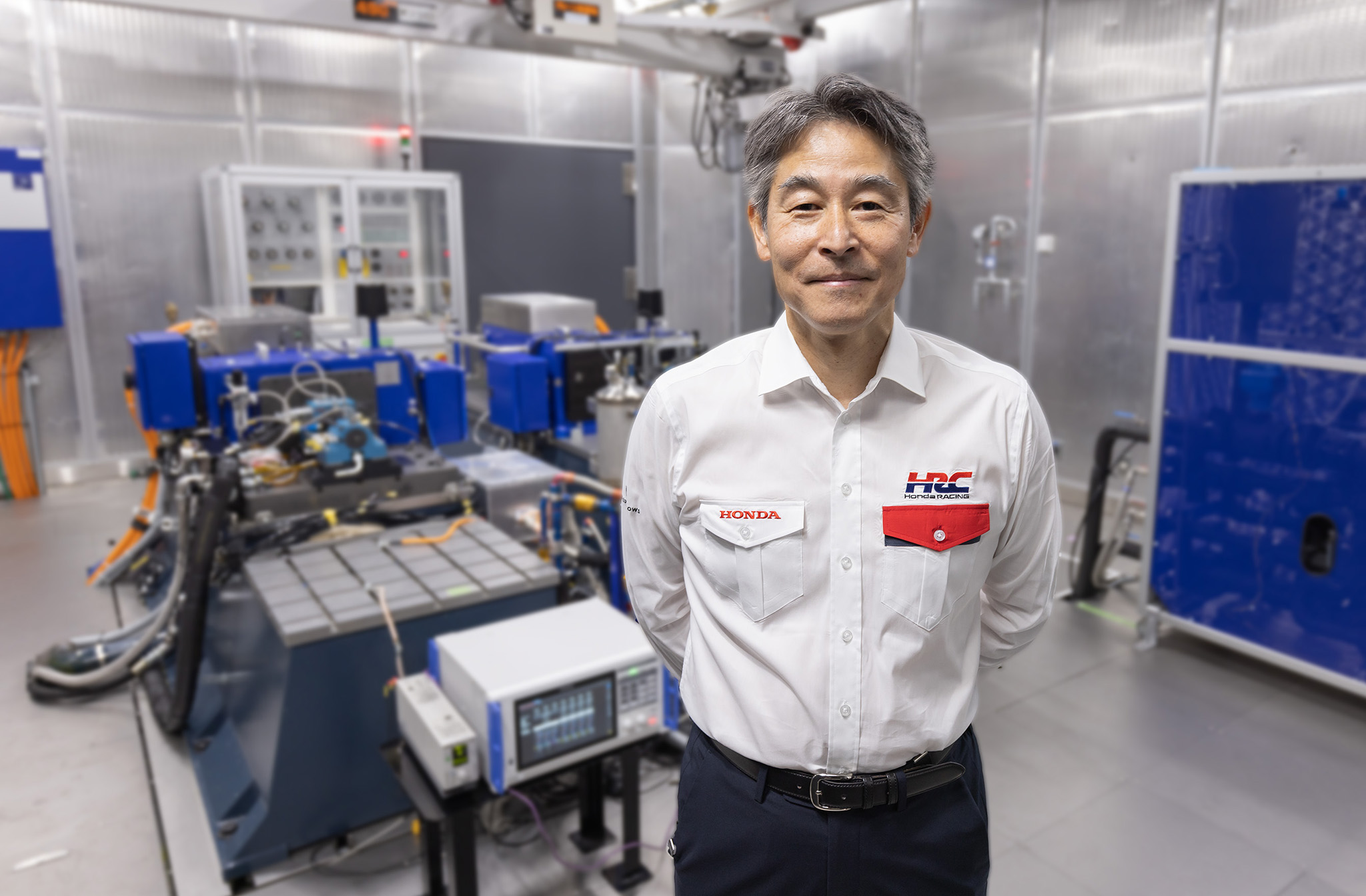
Honda Racing Corporation (HRC) announced on 14 September that Yoichiro Fukao would succeed Tetsushi Kakuda as head of F1 power unit development from 1 October. Fukao was the project’s deputy leader and head of its software division. HRC described the change as a planned handover intended to accelerate development and pass technical expertise to the next generation.
From control software to leading power unit development
Fukao joined Honda in 2002 and worked on F1 engine and gearbox control systems. He later worked on production hybrid systems and MotoGP controls. He took charge of F1 control system development in 2014. From 2017, he also served as deputy F1 project leader and led the Sakura Mission Room in Tochigi. He continued in those roles after moving to HRC in 2022.
HRC announced the change during the first season of the new power unit regulations and cited further changes from 2027 as a reason to prepare early. At the Madrid race on 13 September, Aston Martin driver Fernando Alonso finished 17th, two laps down. Lance Stroll retired with a brake problem. Those results show where the team stood at the time and why other faults have to be considered separately when assessing the power unit.
Honda can homologate two additional upgrades in each season
The FIA published its first two assessment results on 26 August. Honda, Audi and Ferrari were more than 4% behind the benchmark on the internal combustion engine performance measure in the first assessment. Each received two additional opportunities to homologate an upgrade in 2026 and two in 2027, with corresponding increases in the cost cap and dyno testing allowance. The second assessment granted no further upgrades.
The mechanism is called Additional Development Upgrade Opportunities, or ADUO. It gives manufacturers whose combustion engines are behind more room to develop, test and homologate upgrades. The eligible upgrades can also cover other power unit components listed in the technical regulations. The power unit also recovers and deploys electrical energy, so the percentage from the combustion engine assessment cannot be read as a lap-time deficit.
INKA SPORTS analysis and summary: Why the two seasons have separate deadlines
The FIA says an opportunity designated for one season expires if it has not been used by that season’s final round. When Fukao takes over in October, he will have to fit the remaining 2026 opportunities into Honda’s testing timetable while preparing upgrades for the following year. The timing of each opportunity matters as much as the total number available.
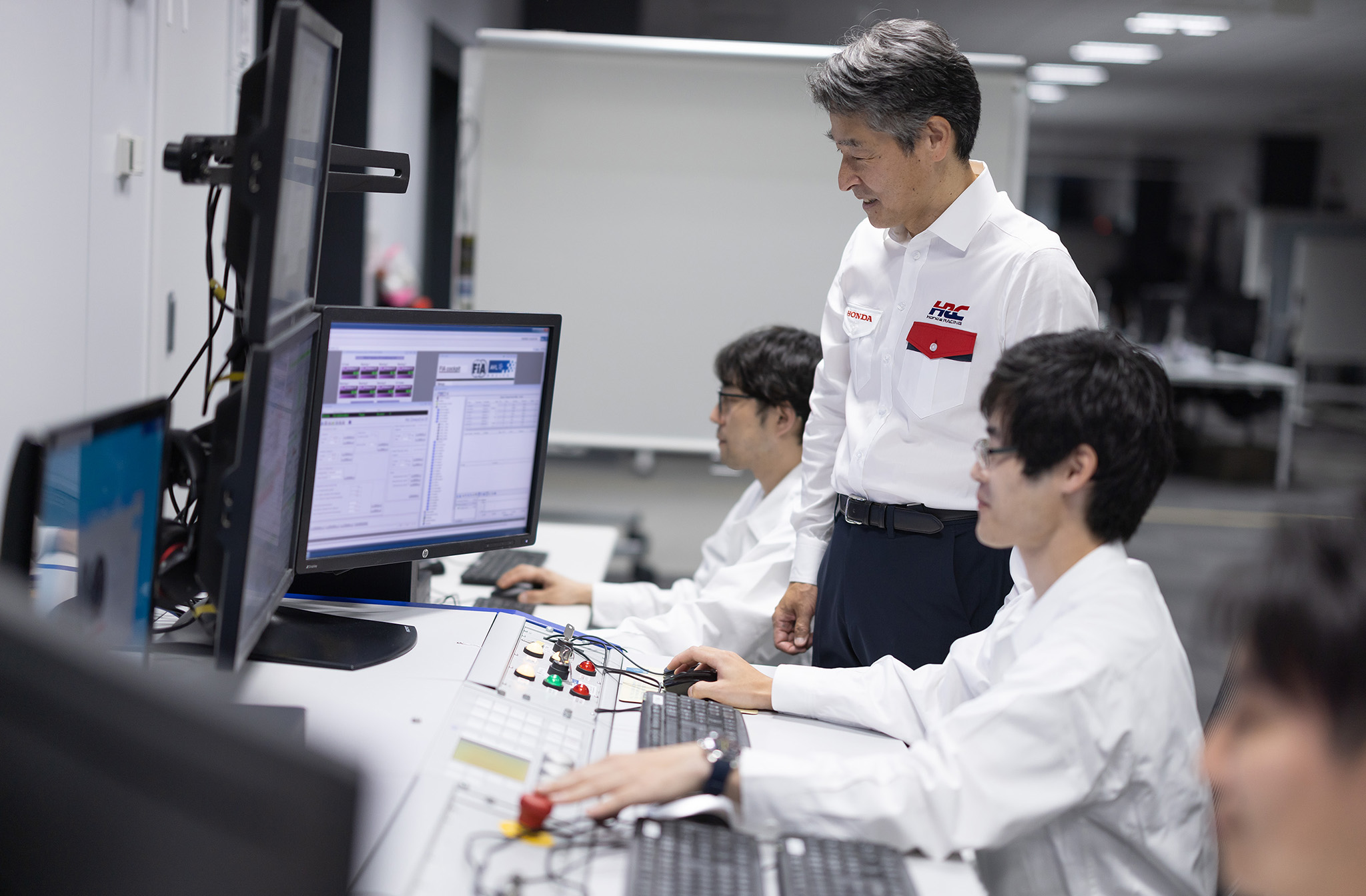
Fukao brings experience in control and hybrid systems. His new role involves coordinating several technical departments so that testing findings can inform the next upgrade. The timing of upgrades, reliability on track and sustained performance are useful measures of what follows the handover. The car’s finishing position also depends on the chassis, the circuit and how the race unfolds.