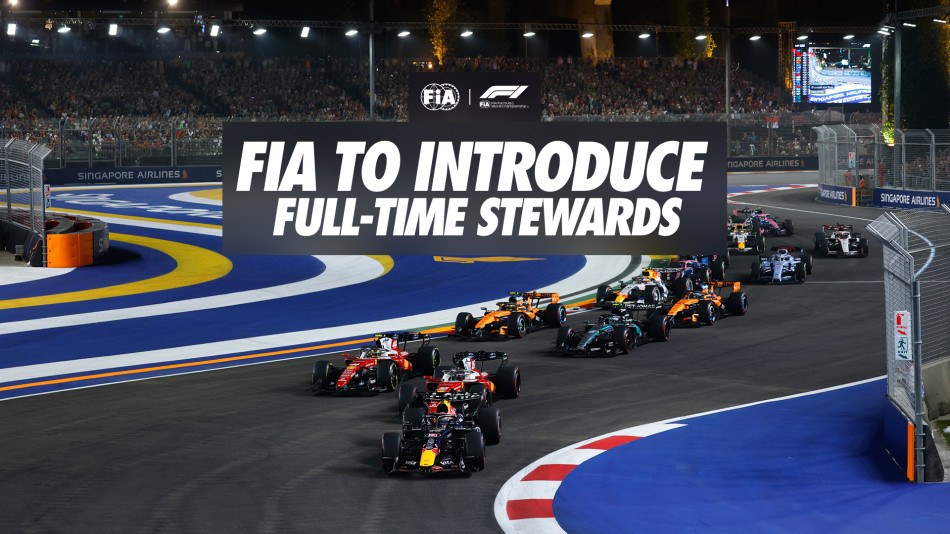
The FIA announced on 19 November that it would begin bringing in full-time Formula 1 stewards during the 2027 season to make decision-making more consistent across races. A small initial group of experienced international stewards will work alongside existing officials. The FIA plans to expand the group from 2028, with a long-term target of 12 to 15 full-time stewards. It has yet to announce how many it will recruit initially, who they are or when they will first officiate.
A mixed roster and work between races
A Formula 1 weekend currently has four stewards drawn from a wider pool, including a driver steward. They review incidents, determine whether the regulations have been breached and decide on penalties. Part-time officials will remain in the roster for the foreseeable future, and a driver steward will continue to contribute at each event. The target of 12 to 15 refers to the future department as a whole.
The new jobs also create time for work away from race weekends. The FIA wants the full-time stewards to review sporting regulations and officiating guidelines, identify recurring issues that need clarification, and train and mentor future officials. As the department grows, it could also support other FIA single-seater championships.
Remote centre supports reviews and training
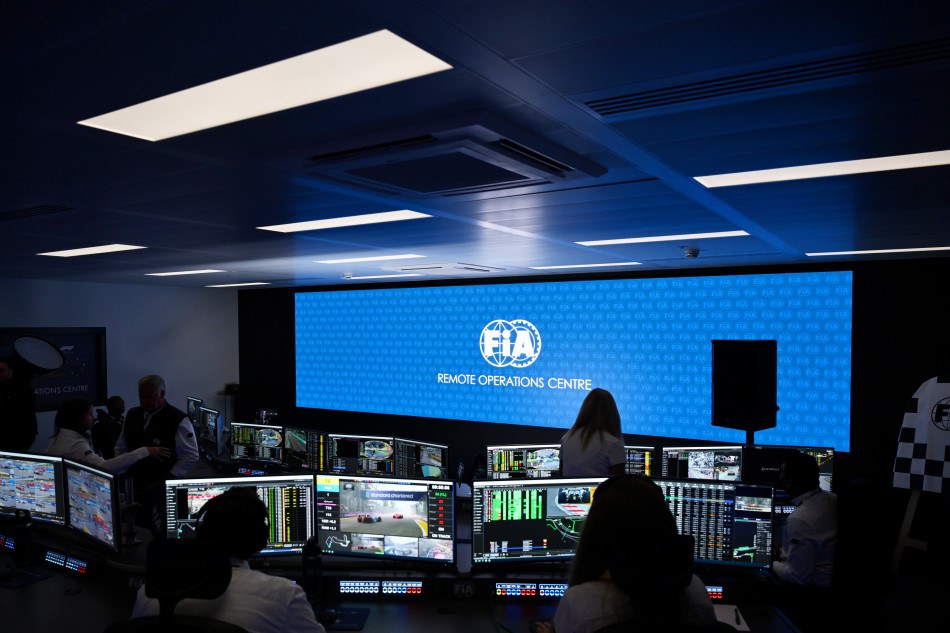
In October, the FIA opened its Remote Operations Centre at Biggin Hill in the UK to support race operations, post-event reviews and training. The FIA says its analysts can draw on more than 140 audio and video feeds. The centre also supports a programme that has trained stewards and race directors since 2023.
INKA SPORTS analysis and conclusion: Connecting decisions across race weekends
The practical question is whether the reasoning behind one ruling carries through to the next round. Two incidents may look alike on replay, yet differ in whether a driver stayed in control or where the cars were positioned in the corner. Reviewing a series of cases together could help stewards identify when different facts explain a different ruling and when the wording of the guidance itself needs work.
The remote centre and the stewards play different roles in that process. The centre analyses video, car positioning and team radio to help Race Control and the stewards reconstruct an incident. The stewards apply the regulations to those facts. The new full-time roles give the FIA more scope to compare how different panels applied the rules and improve the guidance between races.
With the mixed roster only beginning in 2027, the first measure of progress is the quality of the published reasoning. Comparable cases should make clear which rule was applied, which facts mattered and why an apparently similar incident reached a different outcome. Where the same controversy keeps resurfacing, the eventual wording of the guidance can tell fans more about the reform than the number of penalties handed out.