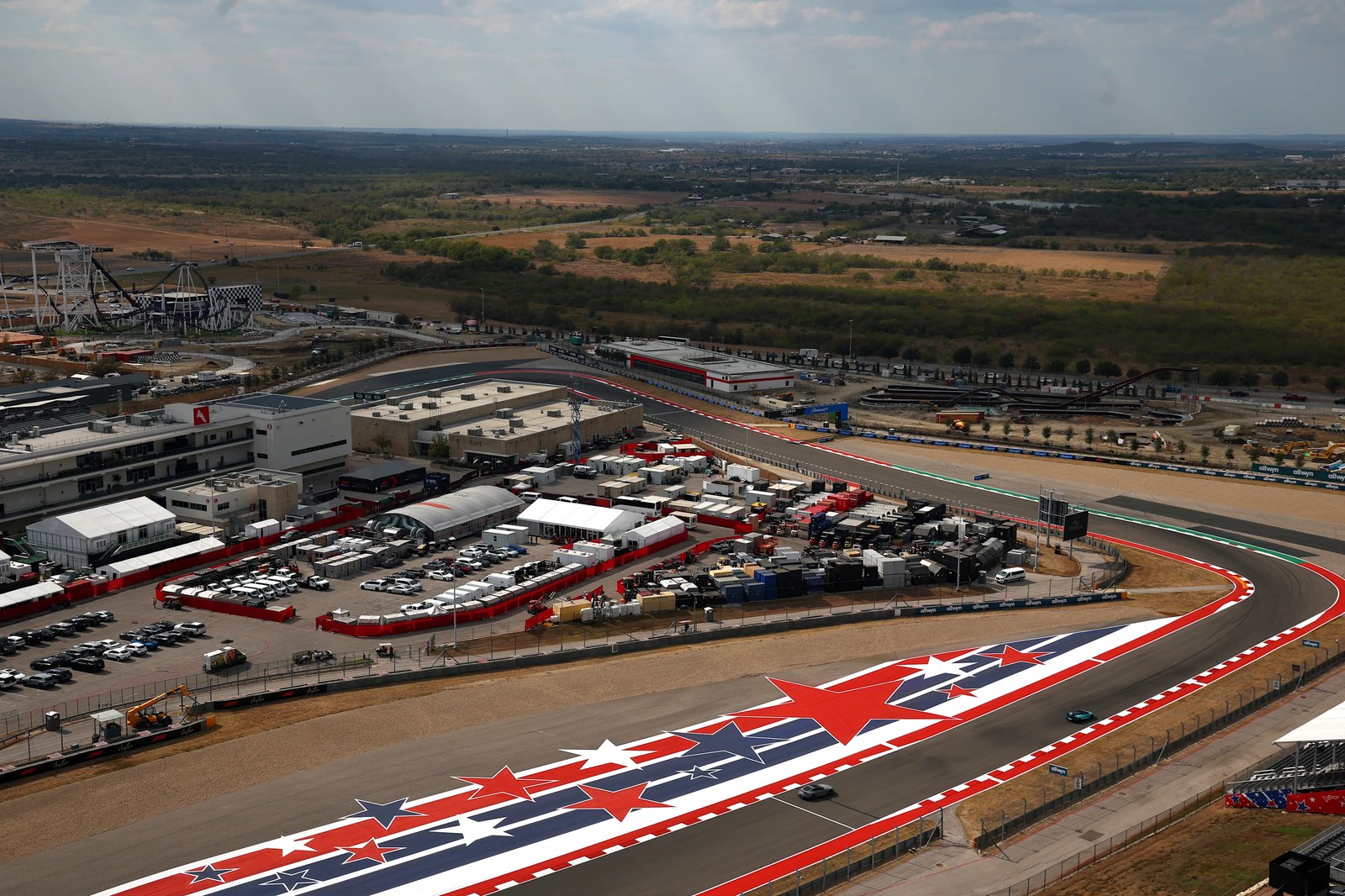
The 2026 F1 United States Grand Prix takes place at Austin's Circuit of the Americas on October 23–25. Pirelli's preview confirmed C2 hards, C3 mediums and C4 softs, restoring three consecutively numbered compounds. The supplier expects one stop may predominate, while identifying heat, wear and rear thermal degradation as important variables. White still denotes the event's hard tire, but its internal compound number differs from last year.
A changed compound combination, with three practices to test it
The 2025 selection was C1, C3 and C4, leaving a compound-number gap between hard and medium. C2 replaces C1 this year, with C3 and C4 unchanged. Pirelli recorded thirteen drivers choosing a medium-start, soft-finish one-stop last year. With different options now, that history is a starting comparison rather than an automatic optimum.
The event returns to a standard Grand Prix weekend without a Sprint and with three practices. F1's tire explainer lists the usual allocation of two hard sets, three mediums and eight softs per driver, plus an additional soft set for Q3 participants. A dry race requires at least two different dry compounds, making strategy a question of both stop timing and stint pairing.
Different challenges for front and rear tires within one lap
Pirelli divides tire demands on the 5.513-kilometer circuit into two areas. First-sector fast corners and successive changes of direction challenge the fronts; third-sector acceleration from slow corners exposes rears to thermal degradation, meaning reduced grip as temperatures rise. Different demands at each end prevent one corner sequence alone from defining whole-lap tire condition.
The surface between Turns 9 and 11 has been renewed, but aging elsewhere still creates wear. The supplier considers tread wear potentially more significant than surface graining and notes that the asphalt is not especially rough. Local resurfacing and whole-lap conditions need separate assessment; an improved section does not establish lower tire demands everywhere.
Heat forecast adds conditions to long stints
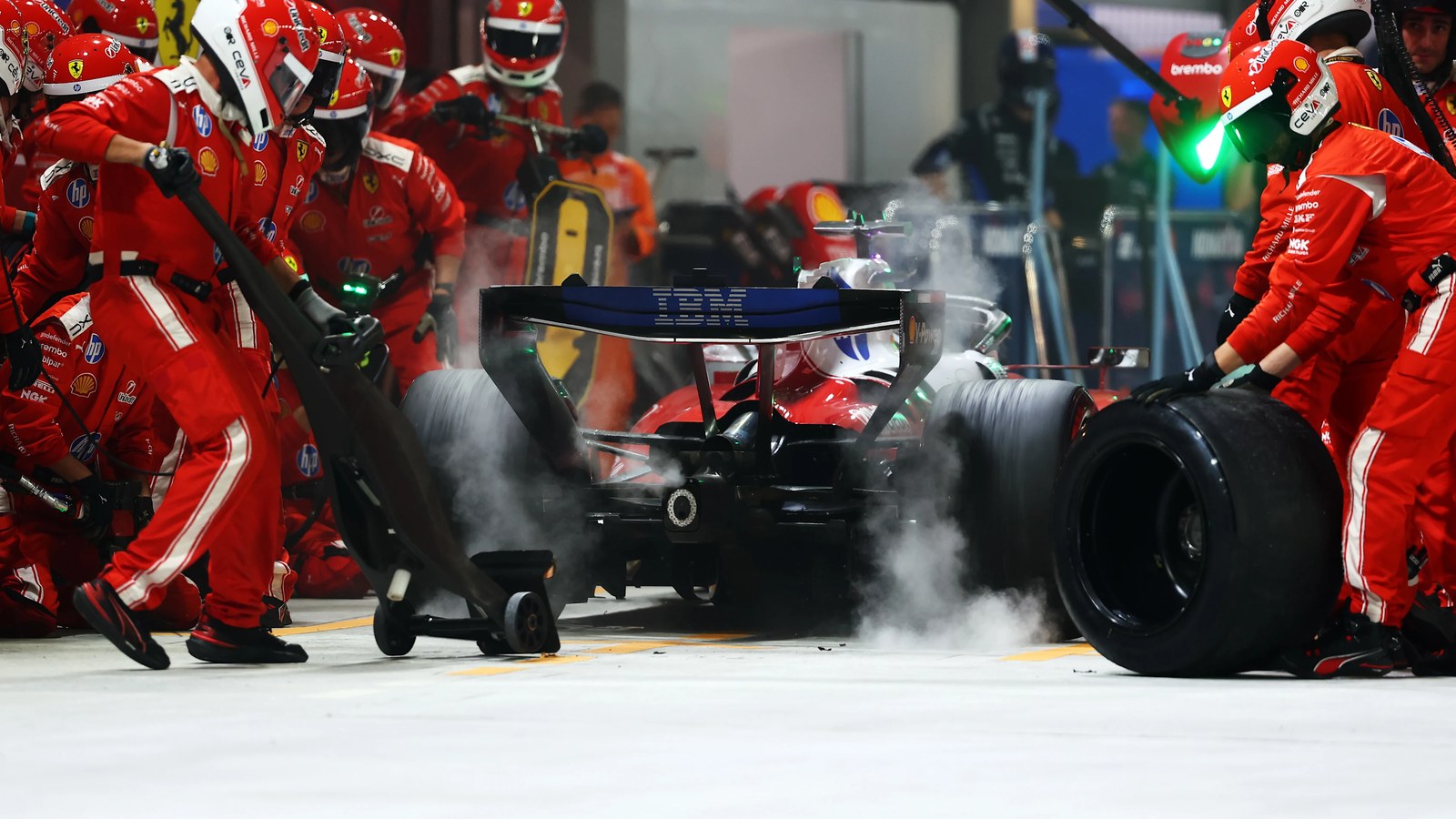
F1's October 21 forecast put Friday and Saturday daytime air temperatures around 29°C, with track temperatures potentially above 55°C. Sunday's rain probability was 20%, with gusts possibly reaching 35–40 km/h. Pirelli sees C2 as a potential long-stint option but warns that Texas heat could increase degradation and leave room for alternative stop plans.
| Role at this event | 2026 selection | 2025 selection |
|---|---|---|
| Hard (white) | C2 | C1 |
| Medium (yellow) | C3 | C3 |
| Soft (red) | C4 | C4 |
INKA SPORTS analysis: A long-stint option does not settle a one-stop strategy
The immediate change is the hard tire returning to a consecutively numbered selection. Strategy should be judged using both the C2 designation and actual long-run behavior, rather than just white, yellow and red markings. Pirelli's one-stop expectation depends on sustaining a tire to the appropriate window. If heat substantially reduces rear performance on slow exits, extending the stint becomes less rewarding.
Three practice sessions allow comparison of C2 over long runs and whether fast-direction-change front loads or acceleration-induced rear degradation limits pace first. Last year's medium-soft one-stop offers a reference, but compounds, surface and weather do not combine identically this time. Judgment should rest on this week's consecutive laps rather than last year's stop count.
Conclusion
The strategic question is whether C2 becomes a reliable long-stint choice under this week's temperatures and loads. Local resurfacing cannot replace whole-lap assessment, and a one-stop expectation needs practice support. The race is scheduled for 56 laps at 15:00 local time on October 25, or 04:00 on October 26 China Standard Time (UTC+8). The overnight conversion puts the race early on Monday for viewers in China.