
The first issue of the 2027 F1 Operational Regulations, published by the FIA on October 19, adds physical and information-technology separation between F1 and non-F1 activities. Approved by the World Motor Sport Council, the provisions cover technical-information access, staff transfers and costs, not simply office locations. Exceptions for shared facilities and certain roles mean they should not be read as requiring complete separation of an entire corporate group.
Separate technical workspaces and information, with some facilities still shared
Article F6 distinguishes Restricted F1 Personnel, Restricted Non-F1 Personnel and Unrestricted Personnel. In principle, the first two cannot enter each other's work areas or access technical-information outputs generated by the other. Outputs extend beyond documents to calculations, studies, simulations, data, analysis, know-how and intellectual property. The FIA may inspect facilities and conduct IT forensic audits.
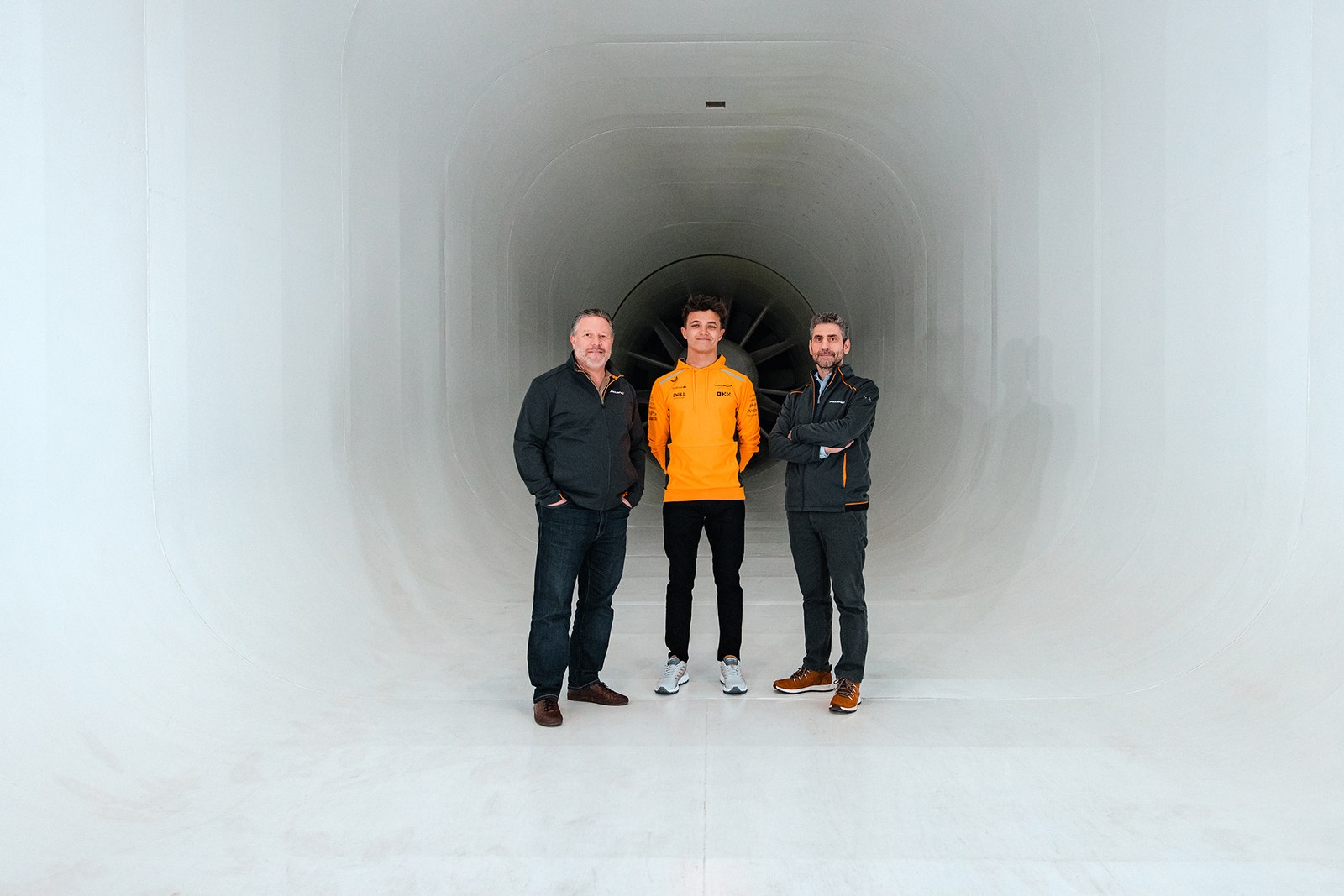
Wind tunnels, driver-in-the-loop simulators, dynamometers, test benches, data centers and meeting rooms may be restricted shared areas used in turn, provided they serve specified primary purposes and the two restricted groups do not occupy them simultaneously. During F1 use, an area is managed as F1-restricted, and conversely during non-F1 use. That differs clearly from both technical groups working together in one room.
Exceptions include canteens, passageways, manufacturing and assembly, storage and logistics areas used for specified purposes, which all personnel may use simultaneously. Listed unrestricted roles include CEOs, team principals, chief information officers, directors and staff working entirely in listed functions such as marketing, HR, finance, legal, manufacturing, logistics or IT support. Neither they nor third parties may act as an intermediary to bypass technical separation.
Transfers require new access and constraints on costs and work periods
Restricted F1 Personnel moving to restricted non-F1 roles need new contracts and permissions, including new email addresses, with old access revoked by the end of the working day before transfer. For at least twelve consecutive months afterward, they may perform only the permitted non-F1 activities. Except for financial-regulation cross-reference exceptions, remuneration for the entire reporting period containing the transfer still counts as relevant F1 team costs: changing departments cannot immediately move it off the F1 books.
Transfers into F1 also have conditions. Before transfer, personnel must spend at least three consecutive months undertaking neither F1 nor non-F1 activities, without access to restricted systems or outputs from either restricted group. Afterward, at least twelve consecutive months must be limited to specified F1, power-unit supply, customer-team support or FIA project activities. New contracts, permissions and relevant cost requirements also apply. Permission-revocation and creation logs must be retained on a rolling three-year basis.
Information is not freely transferable both ways. F6 permits a one-way transfer of F1-restricted outputs to Restricted Non-F1 Personnel for strictly necessary non-F1 purposes, subject to application and approval by designated officials and written audit records. Explanatory discussions are constrained in content and format and must be recorded and transcribed by video conference. Outputs generated by Restricted Non-F1 Personnel may not be shared back with Restricted F1 Personnel.
INKA SPORTS analysis: Separation centers on the flow of outputs and people
The provisions distinguish sharing expensive equipment from receiving another project's development outputs. Time-sharing a wind tunnel does not automatically permit shared technical data; manufacturing and logistics exceptions do not replace output-access controls. Compliance therefore depends on specific people, permissions, time slots and output flows, not simply company names or office locations.
Transfer restrictions also constrain short-term rotations. At least twelve months' limits after an outward move, combined with remuneration generally remaining in F1 costs for that reporting period, reduce scope for immediately shifting costs through organizational reassignment alone. A three-month separation before inward moves imposes an independent condition. This describes the rule structure, not evidence of prior breaches or a calculation of any team's extra spending.
Conclusion
The 2027 requirements separate restricted technical activities and leave verifiable boundaries around necessary sharing and transfers. Teams may still share facilities and support functions within the rules, but technical outputs cannot move freely through those conveniences. Application requires checking F6 definitions, shared-area conditions, approval records and costs individually, rather than summarizing it as a complete ban on group cooperation.