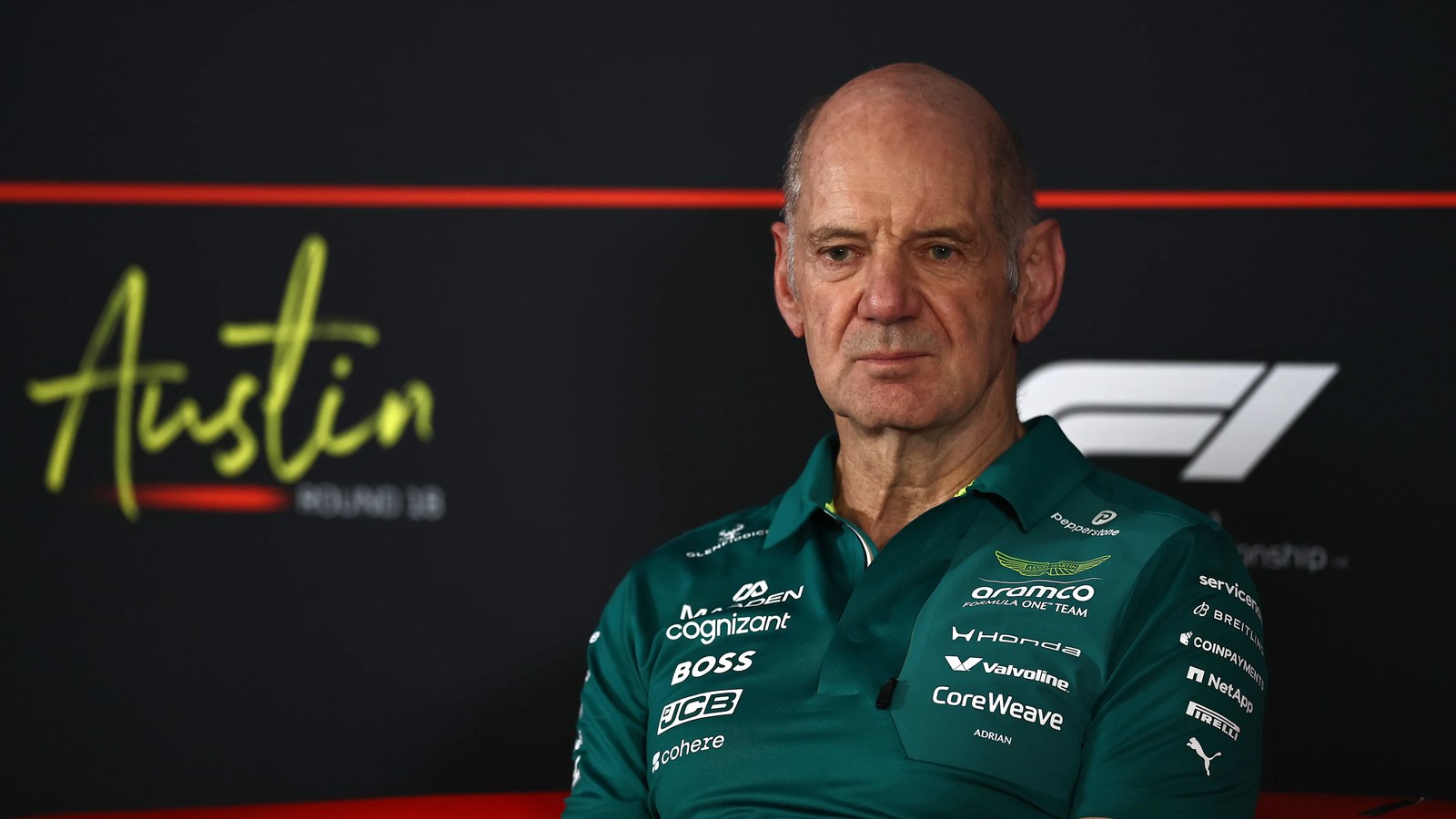
Aston Martin Team Principal Adrian Newey offered two concurrent assessments at the United States Grand Prix press conference on October 23: cooperation at the Silverstone factory was improving, but Honda's power-unit progress was slower than he had hoped. He remained confident in future projects while emphasizing that change takes time.
Newey values how the engineering team works together
Newey said engineering team spirit was already strong, with more discussions between staff, new ideas emerging constantly and some people working into the evening, giving him a sense of energy in the factory. He compared it with his early experience at Red Bull: both teams had undergone ownership and senior-management changes, making renewed cooperation between departments important.
He specifically mentioned breaking down departmental barriers and improving culture. That describes how the organization works, rather than directly equating it with car speed. For a team integrating chassis and power-unit work, design, validation and actual running still separate internal cooperation from track results.
Honda's progress compared with the experience in 2019
Newey said the partners were working closely together. He felt current progress was slightly behind the point at which Red Bull took on Honda power as its works partner in 2019, but that had come four seasons after Honda returned to F1 in 2015. The comparison involves different development starting points, so the 2019 partnership's results alone cannot be used as a standard to reproduce immediately.
Asked whether Honda's improvements this season met expectations, Newey acknowledged Honda might also be disappointed with its progress. He did not disclose specific technical reasons, citing limits imposed by both parties' intellectual-property protection. He still believed Honda could accelerate its understanding of the power regulations and said some early-stage projects showed potential.
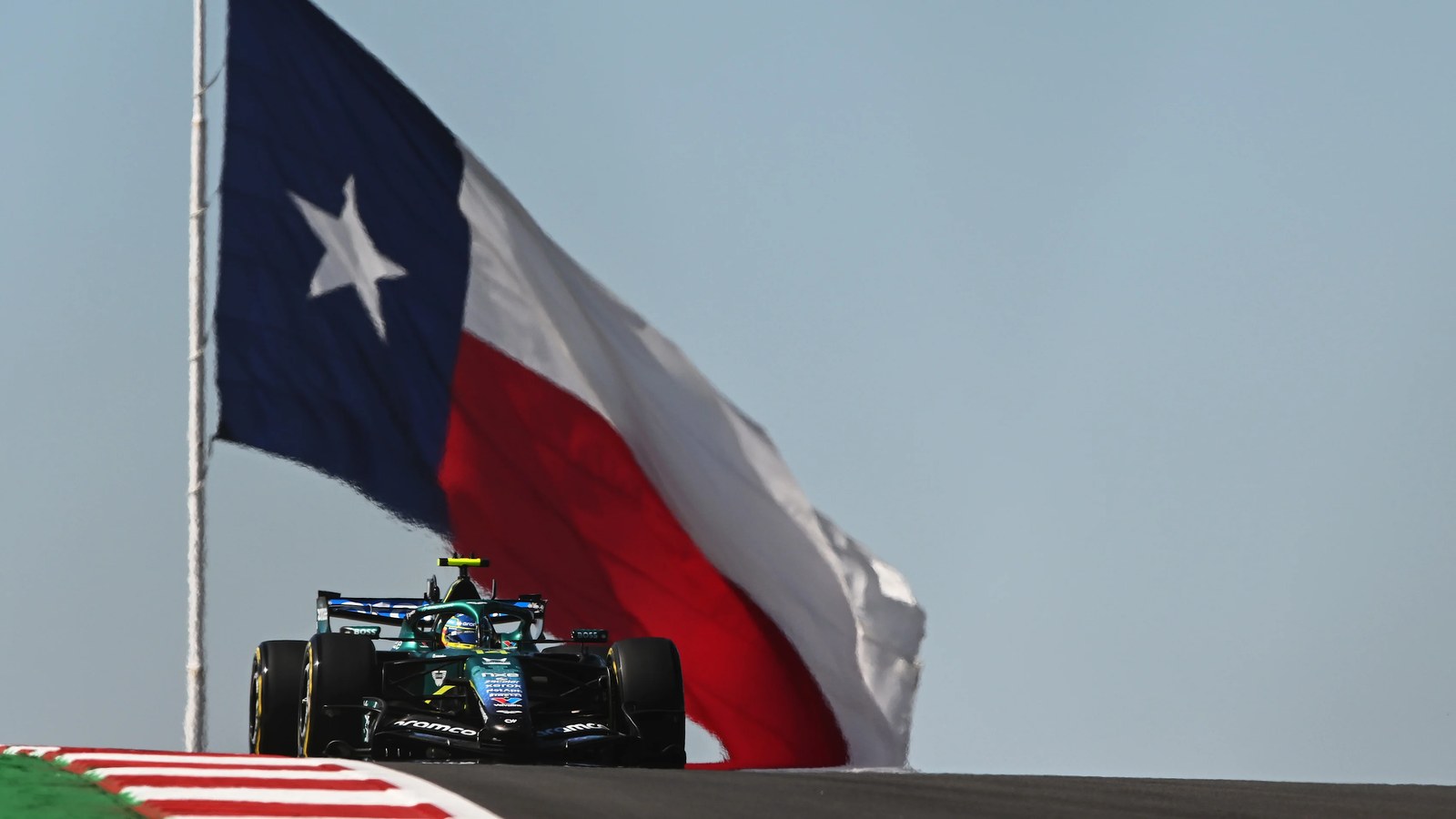
Newey also discussed the power deficit reflected by ADUO, while noting that the measure concerns power alone. Overall performance once a power unit is installed in a chassis depends on other factors too. He did not allocate specific proportions of the deficit to chassis and engine, instead mentioning further examination through GPS data.
INKA SPORTS analysis: Cooperation and performance returns operate on different timescales
The comments address a question easily conflated: why can internal assessments be positive while performance remains insufficient? Better cooperation first affects how problems are identified and handed over. Chassis and power unit must work together; faster feedback between departments can reduce the tendency for each to address only its own part. Whether a solution works still requires development and track testing. Newey's description of energy is therefore better treated as a signal of the working process.
Honda's historical reference illustrates that distinction. The 2019 experience was not a single-year example starting from zero; preceding seasons of accumulated work contributed. Newey's acknowledgment of slower-than-expected progress and his emphasis on early development projects assess the current state and future direction separately. Stronger performance conclusions require subsequent verifiable upgrades, running feedback and comparable results, rather than factory morale or one finishing position.
Conclusion
The clearest current change at Aston Martin is the improved cooperation Newey describes; the clearest shortcoming is Honda's progress still falling below expectations. Organizational integration provides conditions for solving problems, while actual chassis and power-unit gains require later results. Both assessments can coexist and should be tested separately.