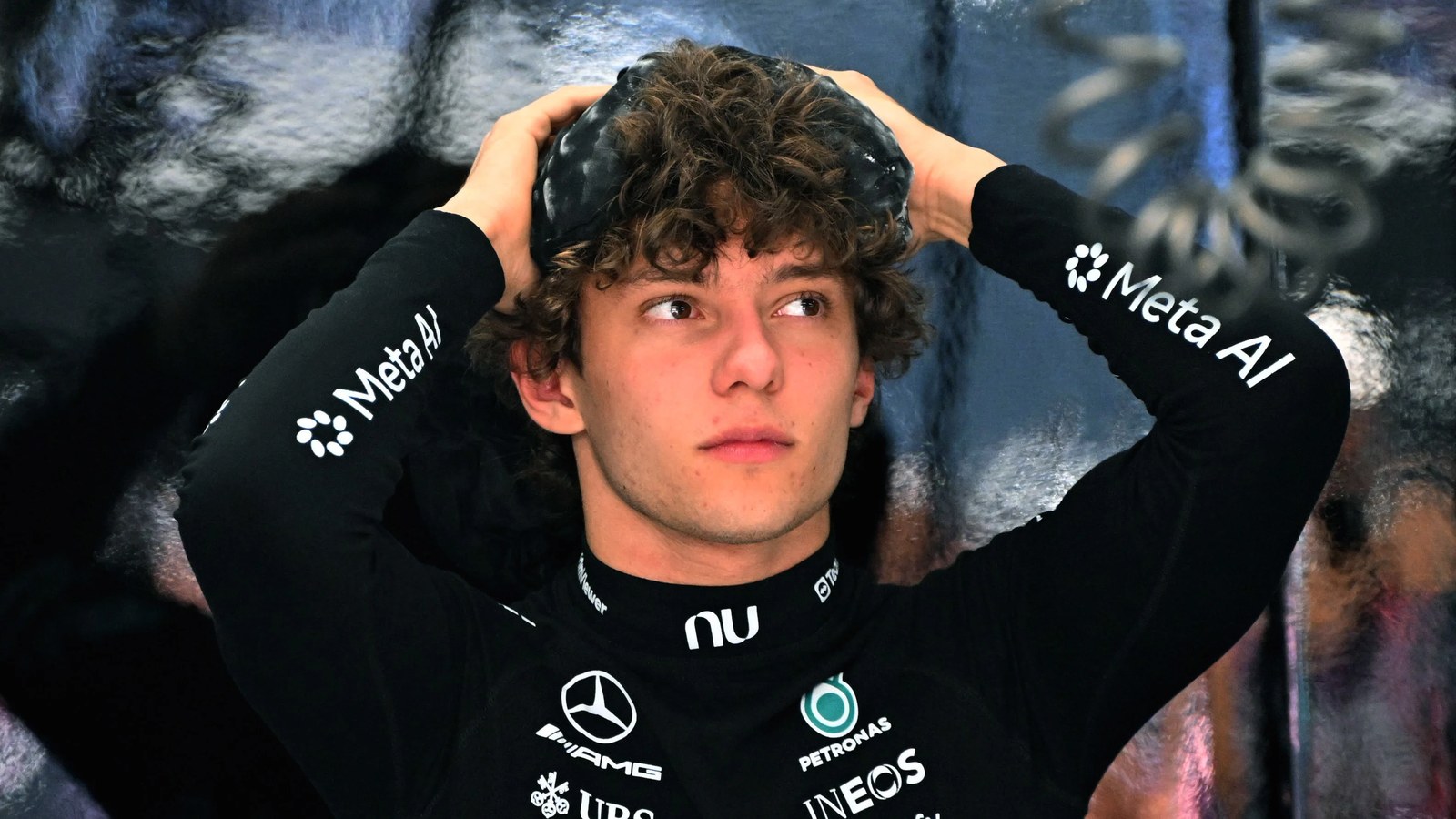
Kimi Antonelli improved from fifth in FP1 to second in FP2 on United States Grand Prix Friday, just 0.042 seconds behind Charles Leclerc. More than the position, he emphasized in F1's official interview that Mercedes was improving its understanding of recent upgrades. Both cars returning to the same specification allowed more approaches to be tested in pursuit of a better operating range.
Matching specifications let the cars' testing inform each other
The upgrade was introduced in Malaysia but initially failed to produce the expected step. At the previous round in Singapore, George Russell reverted to the older specification; in the United States he rejoined his teammate on the same upgrade. Antonelli explained that the week off gave the team time to analyze data and better understand what the package needed.
“Having both cars on the same upgrade package helps a lot because we can try many different things and understand it better,” Antonelli said. He stressed that the team was still learning how to put the car in the right operating window, though it had taken some steps forward. That window means a suitable state in which the driver can extract performance consistently, rather than simply having new parts fitted.
Moving from one old-specification and one new-specification car to two matching cars changes the organization of weekend testing. Both drivers can explore different setups around the same hardware, making feedback easier to compare. Antonelli saw that as an aid to understanding the upgrade, without estimating lap time contributed by the parts alone.
A seat issue slows the start, but FP2 feels better
Antonelli's FP2 was not straightforward. He said the seat was not properly secured and moved through fast corners on the first lap, making him feel as though he was on a roller coaster. It cost running time before he resumed. He said the car felt better in FP2 than FP1, with further work still needed.
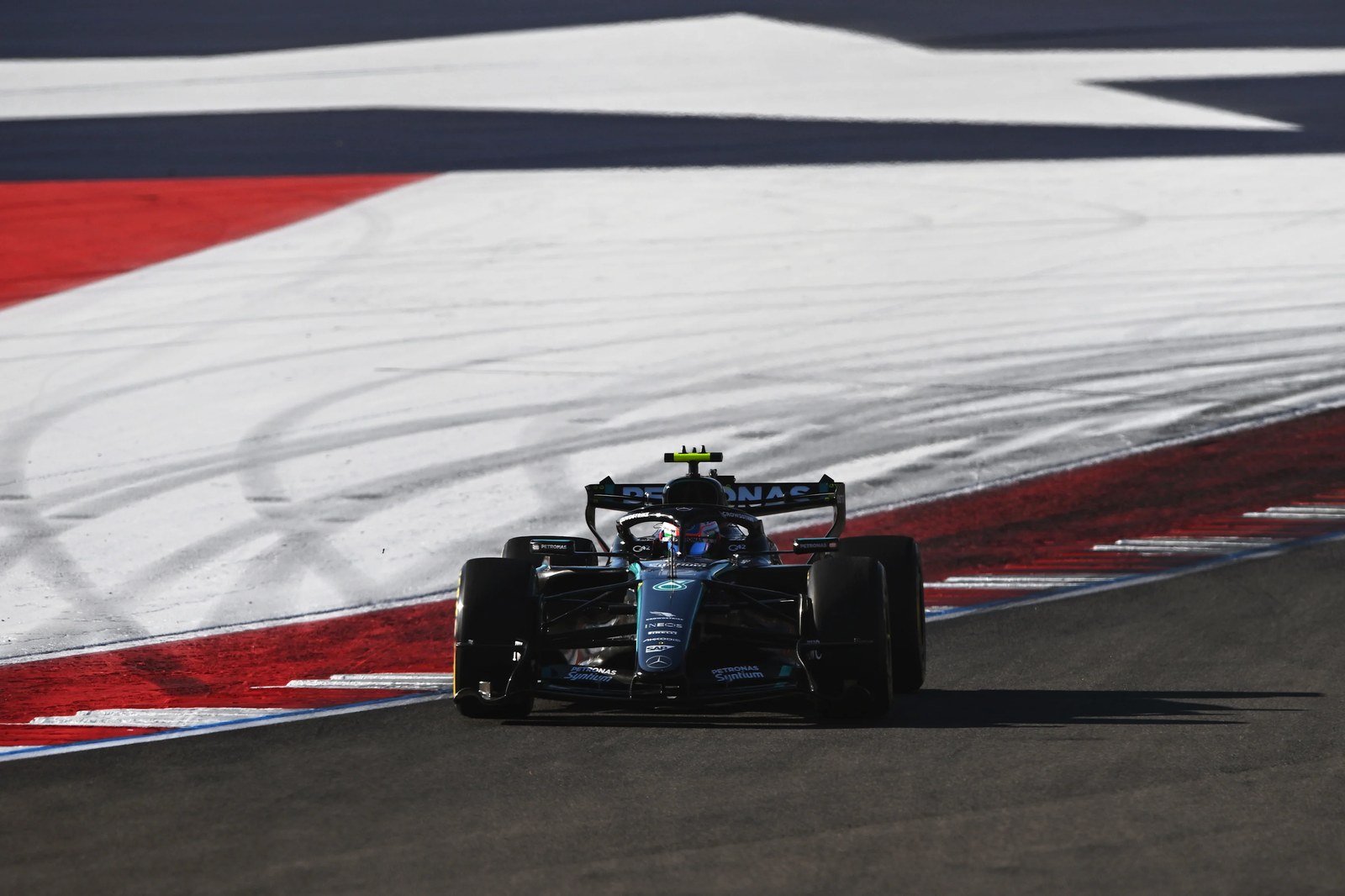
Mercedes Deputy Team Principal Bradley Lord framed the competitive assessment narrowly. Comparing long-run overlays, he said differences between Leclerc, Verstappen, Antonelli and Norris were difficult to distinguish and he expected a close leading battle. That was the team's assessment at the time; Friday's timesheets did not provide comparisons at uniform fuel loads.
INKA SPORTS analysis: Better understanding comes before extracting the upgrade
The change gives Mercedes a more consistent testing basis again. Different hardware can help compare old and new approaches, but specification differences also affect setup and driving feedback. With the same parts, more attention can go to how to use them. Antonelli's account of analysis during the break and joint testing outlines a route from identifying problems to narrowing the setup range.
The 0.042-second gap establishes that Antonelli delivered a competitive valid lap in this session and corresponds with his improved subjective comfort. It measures the FP2 deficit to first; isolating upgrade contribution requires comparisons of hardware, setup, tires and conditions. A more valuable subsequent test is whether both drivers obtain more consistent feel across running phases on matching specifications, and whether the team can explain which adjustments broaden the usable range.
Conclusion
Antonelli's positive signal is first an improvement in Mercedes' methods and testing conditions for understanding the upgrade. Friday restored better car feel, but he still regarded the operating window as unfinished work. If that improvement continues across both cars and longer runs, the team will have stronger grounds to judge the package consistently exploited.