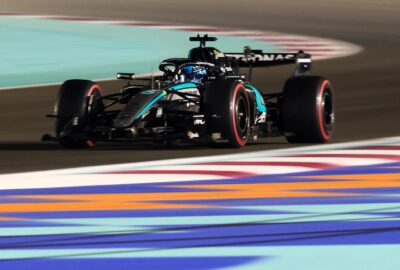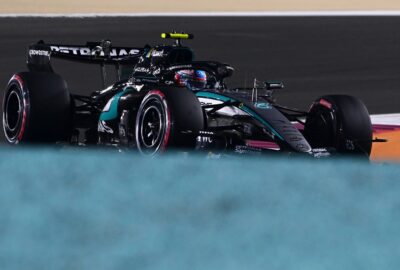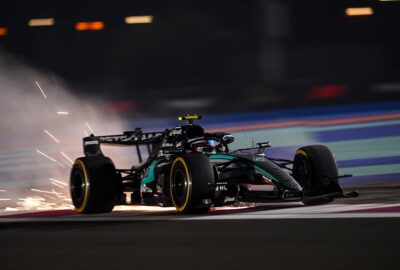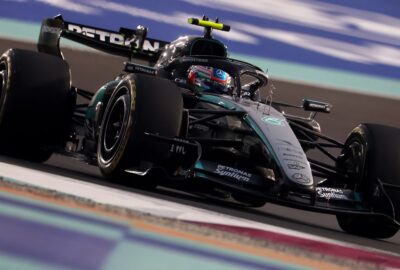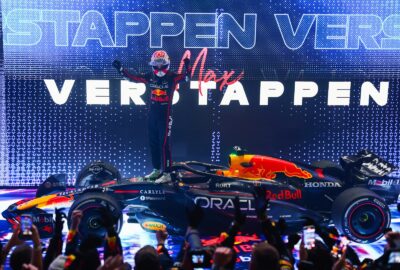
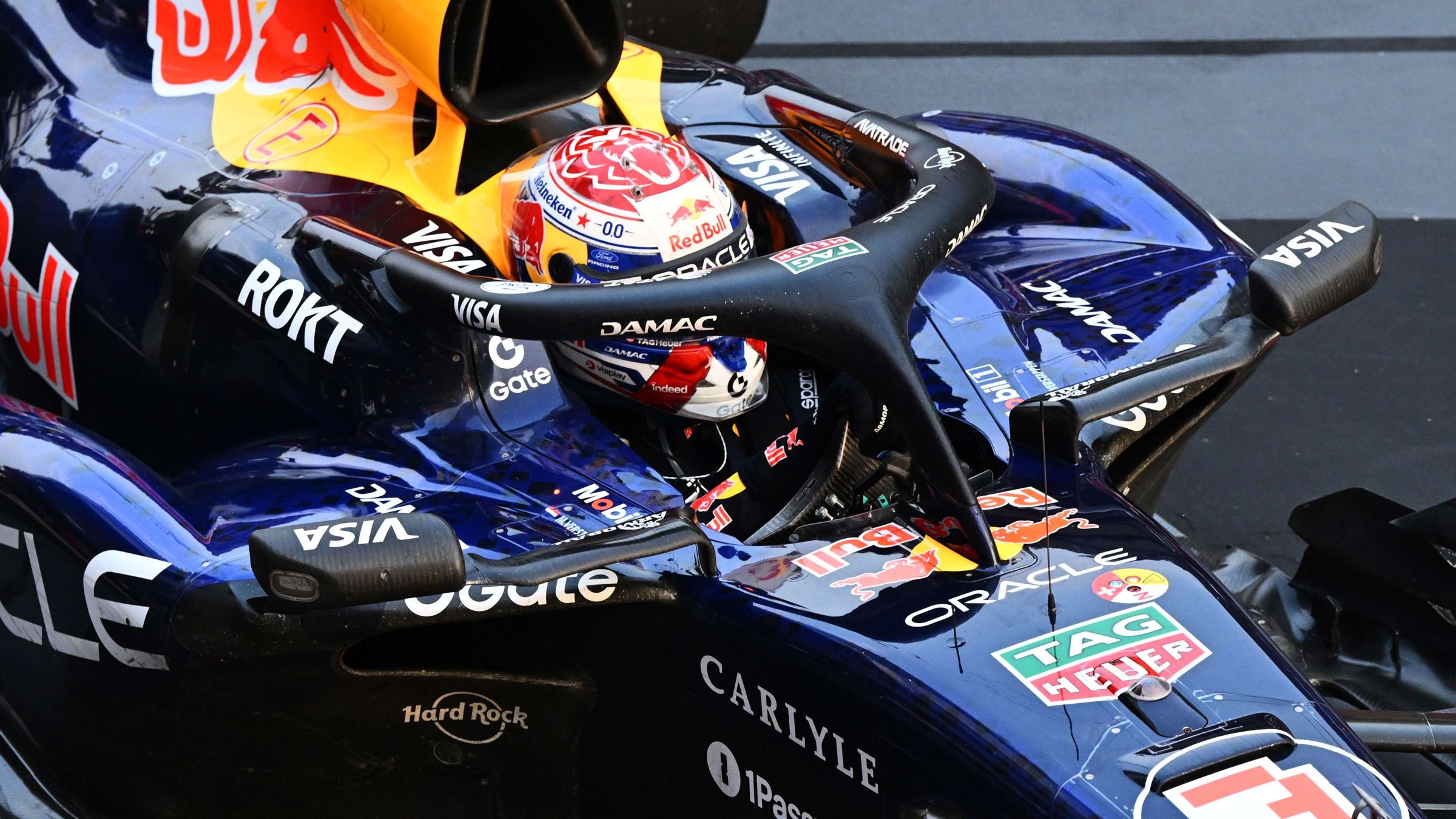
Max Verstappen delivered Red Bull’s first win of the season in Round 16 of the 2026 Formula 1 championship, the Bahrain Grand Prix in Malaysia at Sepang on October 4. Isack Hadjar briefly reached third but was passed by both Ferraris and finished fifth. The team could contend for victory, yet missed a double podium. Their starts, recoveries and final restart explain where the races diverged.
Successive weekends provide evidence of renewed contention
Red Bull introduced a new floor body and diffuser for the RB22 at the preceding Baku round, alongside revised sidepods, cooling louvres, mirrors and a Halo fairing. The team described the changes across the underfloor and bodywork as its final major upgrade of the year.
Verstappen then finished second in Azerbaijan, 0.196 seconds behind the winner. A week later at Sepang, he secured his and Red Bull’s first pole of the season before winning the Grand Prix. The close Baku finish, fastest Sepang qualifying lap and race victory demonstrated front-running performance across consecutive weekends.
Verstappen said understanding the problems and bringing performance upgrades had gradually made the car more driveable. Team Principal Laurent Mekies regarded the win as confirmation of recent progress and a first-season victory for the Red Bull Ford Powertrains project, thanking those who had worked on it over the previous five years.
Recovering from the start, then facing another Safety Car
Heavy rain delayed the Sepang start, before power problems affecting several cars on the formation laps caused the starting procedure to be suspended. On the next attempt, Verstappen retained intermediates suited to the wet surface. However, power failed to arrive promptly after he released the clutch for the standing start and both Mercedes passed him. He subsequently overtook George Russell to pursue Kimi Antonelli. Valtteri Bottas spun at the end of lap eight as the race headed onto lap nine, bringing out a Safety Car. The leading intermediate runners changed to slicks, with Mercedes keeping Antonelli ahead through the stops.
Racing resumed on lap 13. Verstappen attacked around the outside of Turn 1 and completed the pass on Antonelli at the exit of Turn 2, while Russell then took second from his team-mate. Antonelli reclaimed that position on lap 21, by which time Verstappen was around five seconds clear. Antonelli said his rival had been fast all weekend and second was the best result Mercedes could achieve that day.
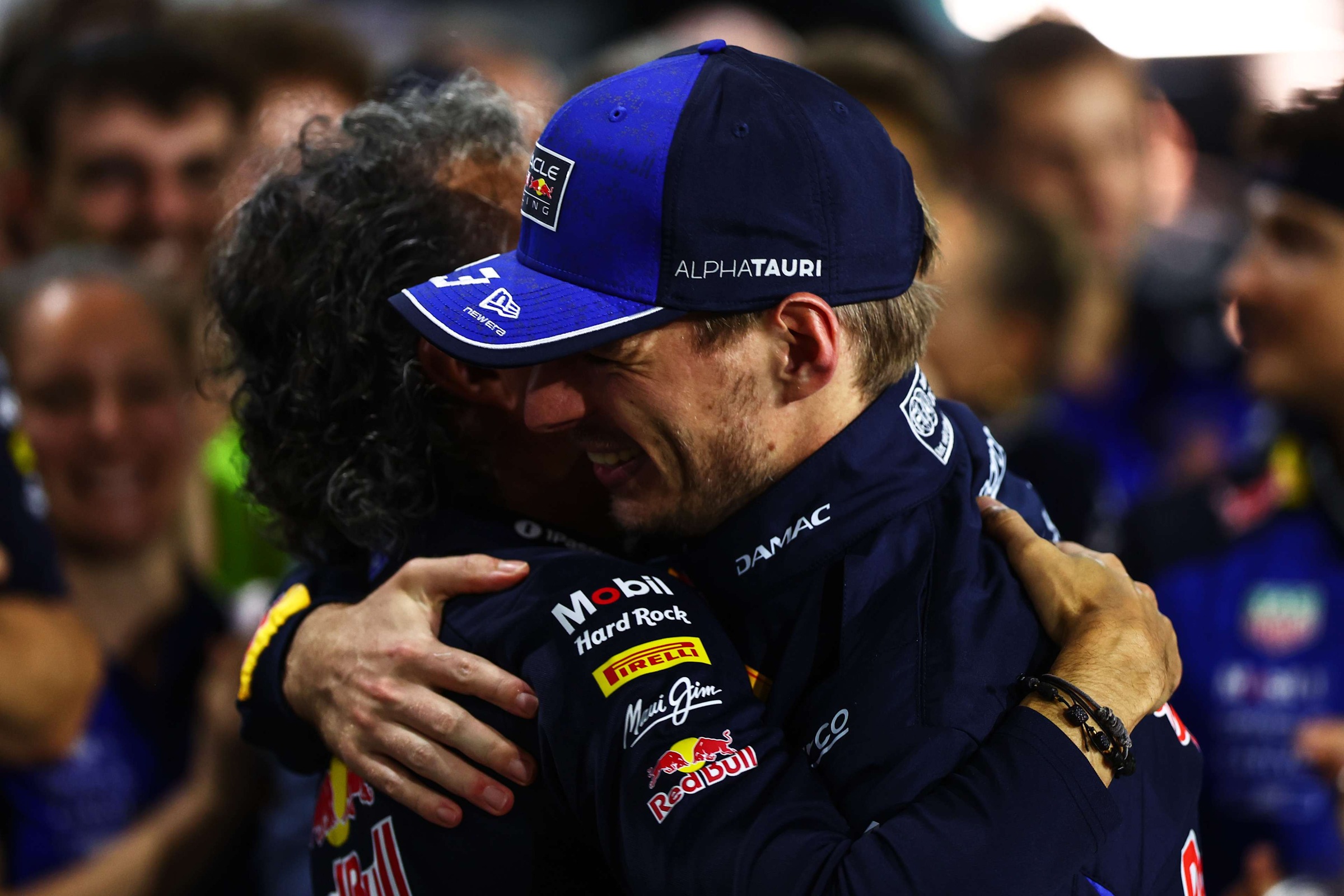
Alexander Albon stopped on lap 43, triggering a Virtual Safety Car, under which drivers must follow a controlled reduced pace. Verstappen stopped for fresh tyres, but his lead of around 12 seconds was insufficient to retain first place and he rejoined behind Antonelli. The Mercedes driver pitted a lap later, returning the lead. A full Safety Car subsequently closed the field together. Verstappen protected first at the final restart and won by 2.307 seconds. The complete sequence is in our Sepang Grand Prix report.
Hadjar recovers from a penalised eighth on the grid
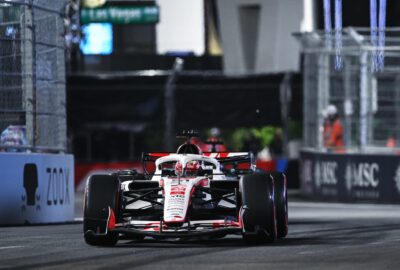
Hadjar qualified third but started eighth after a five-place penalty for an additional power-unit element. On intermediates, he gained as several cars ahead struggled on slicks, although he also lost a place to Liam Lawson. He passed Lawson on lap six to run fourth, behind Verstappen and the two Mercedes drivers.
Hadjar could not then keep pace with the leading three. He said the car lacked grip during the race, even while following the Safety Car, in contrast to its earlier weekend pace. He remained unsure of the cause. Mekies praised his speed throughout the weekend and believed another Red Bull double podium had been possible.
Hadjar was still fourth during the final Safety Car, with Russell’s retirement promoting him to third. Lewis Hamilton passed him into Turn 1 after the restart, and Charles Leclerc followed on the next lap. Hadjar said he lacked available electrical energy over the first two laps and could not defend on the straights. His energy and pace subsequently recovered, but third place had already gone. He believed the power unit itself was fine, with the precise issue requiring investigation. More of his feedback is in our post-race Hadjar report.
INKA SPORTS analysis and summary — Pace and defence after the restart
Successive results and Verstappen’s description of improved driveability support Red Bull’s progress, while the opposition also faced event-specific difficulties. Antonelli said Mercedes were still learning their own new package, with Sepang’s rough surface and high temperatures complicating that work. The repeated challenges for wins demonstrate Red Bull’s current front-running pace, while those results alone cannot establish the contribution of each individual component.
Hadjar’s race identifies more specific points where pace failed to produce a result. Early grip difficulties prevented him from following the top three. His late electrical-energy shortage then came just as the Safety Car had bunched the field, giving the Ferraris an immediate opportunity to attack and turn third into fifth. They had completed their passes before his energy recovered. Verstappen converted his available pace into overtaking and a lead protected at the final restart, while Hadjar lost positions in those decisive phases. That difference explains how Red Bull could celebrate a first victory and still miss a double podium.