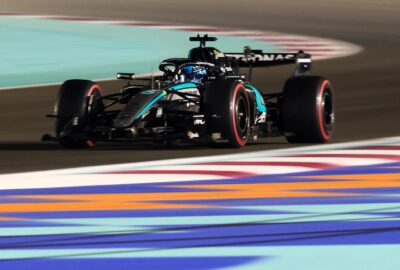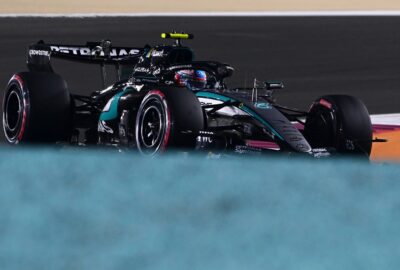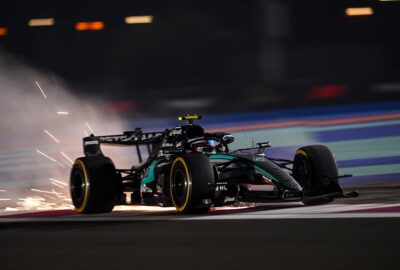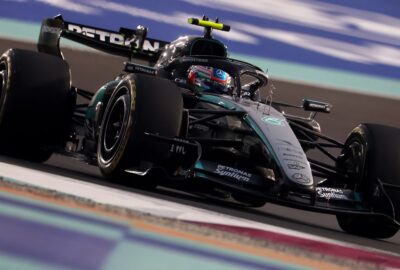
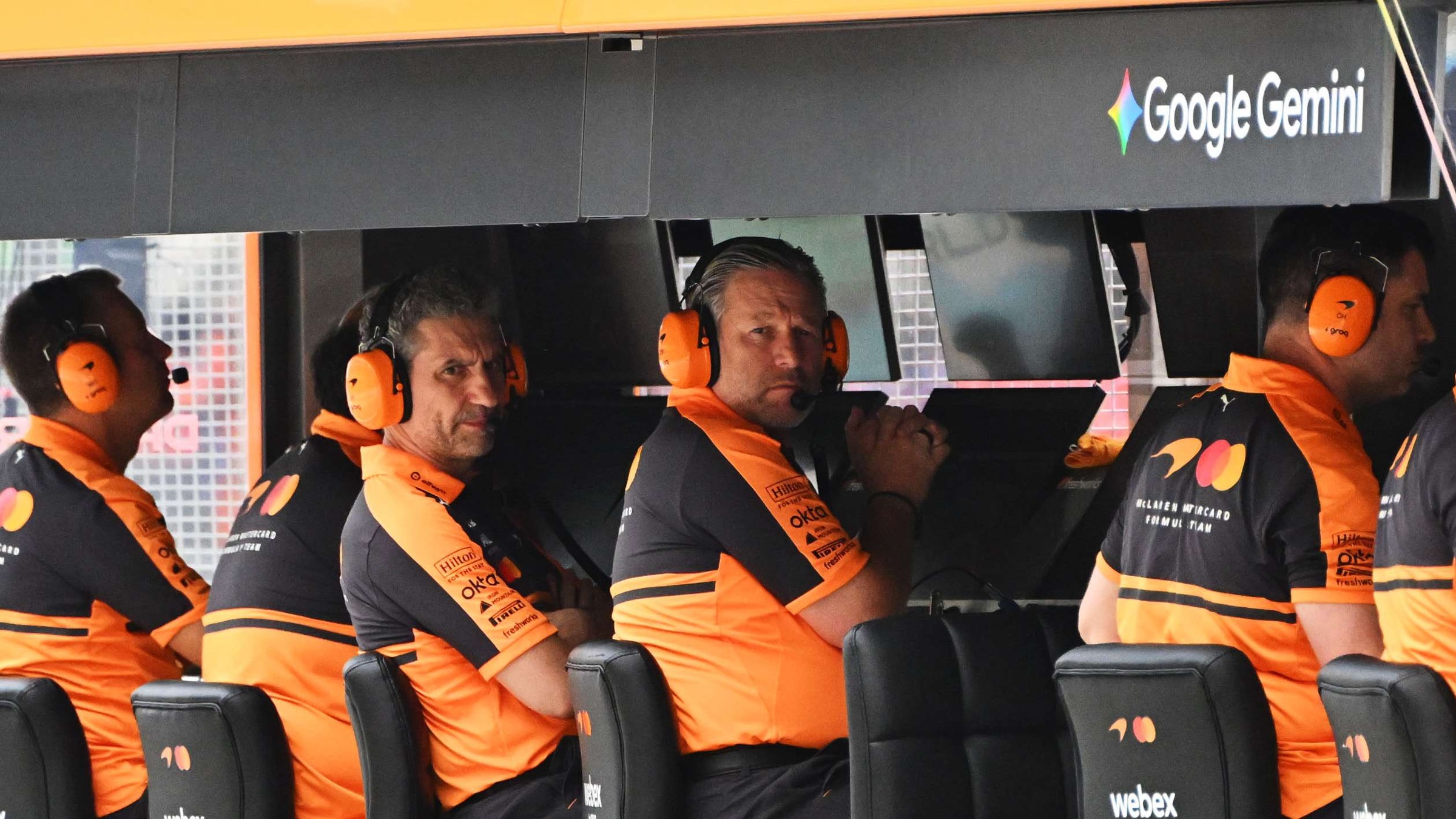
When the start procedure resumed at the 2026 Bahrain Grand Prix at Sepang, Malaysia, on 4 October, McLaren chose medium slick tyres for Lando Norris and Oscar Piastri. Piastri subsequently switched to intermediates while Norris stayed out, and they finished sixth and ninth respectively. Team Principal Andrea Stella acknowledged that the team had expected slicks to begin working too soon.
Different expectations of when slicks would work
Heavy rain had delayed the race, and the start procedure was then suspended when several cars suffered power-response problems on the formation lap. Stella explained that the intermediates wore rapidly on Sepang’s rough surface during the laps to the grid, while slicks usually began working relatively easily at the circuit. McLaren therefore judged the surface to be dry enough, or close to becoming suitable for slicks. Reaching that stage took more laps than expected, and the drivers remaining on slicks kept losing time on the slippery track.
Piastri pitted for intermediates at the end of the second formation lap, giving up his assigned grid position. By the end of the first racing lap after the start, he was back to tenth. Norris, still on medium slicks, soon dropped to 15th.
In Stella’s account, Piastri himself felt that the slicks would take longer to work. Norris may also have leaned towards stopping, but McLaren encouraged him during their discussions to try staying on mediums. Stella acknowledged that this might have steered Norris in the wrong direction. He traced the differing routes to their assessment of the tyre crossover, the point at which slicks become faster than intermediates.
Safety Car losses and race pace
By the last Safety Car, Piastri and Norris had recovered to seventh and eighth. George Russell’s retirement promoted Piastri to sixth. As the cars ahead bunched up under braking for Turn 1, Norris came close to hitting the back of Piastri’s car. He went into the run-off, slid through the gravel and rejoined the queue in 11th.
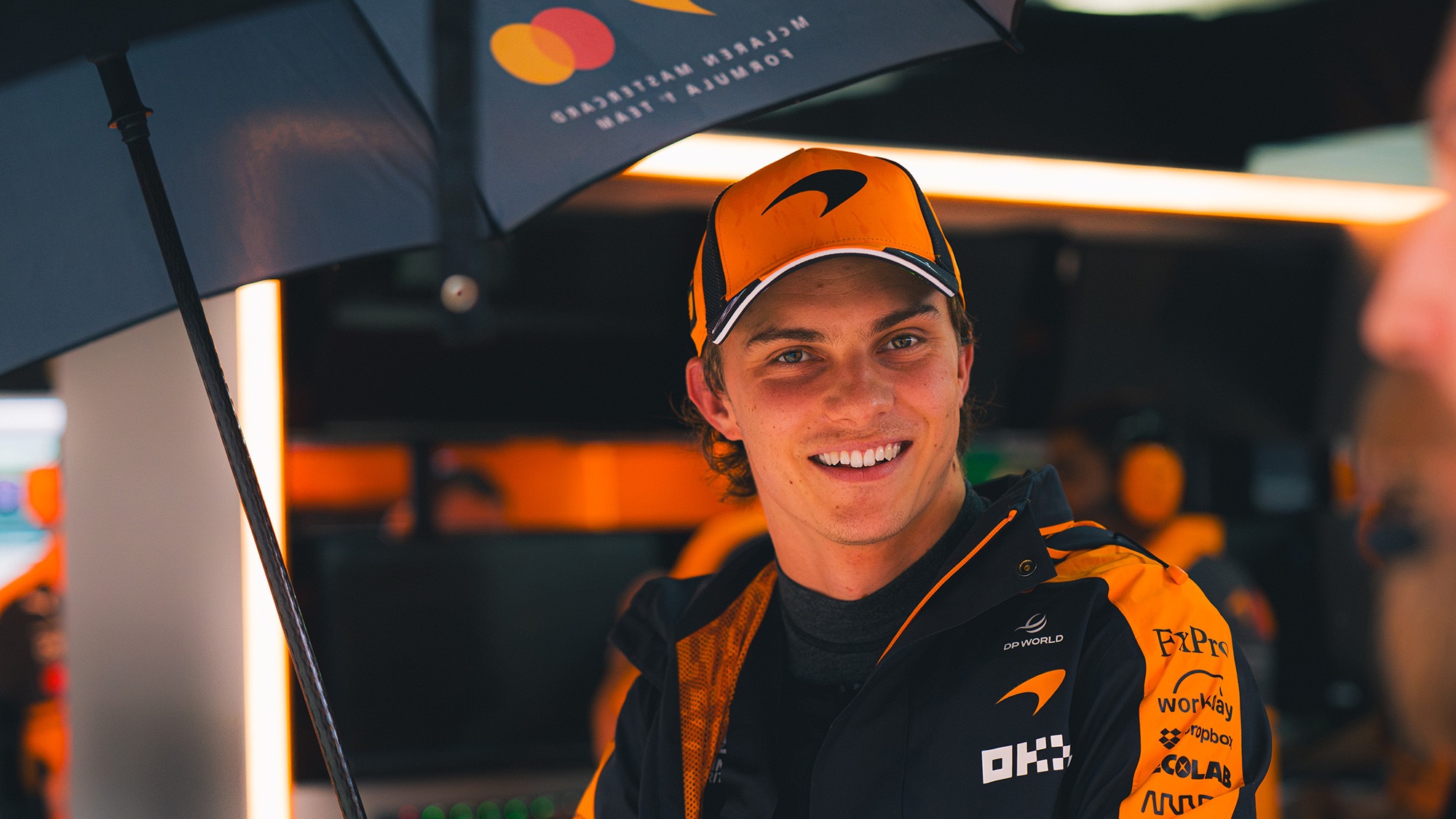
After the restart, Norris passed Arvid Lindblad to return to the points, then overtook Nico Hulkenberg to finish ninth. Piastri held sixth. The full sequence is covered in our McLaren Grand Prix review.
Assessing race pace, Stella said Ferrari had been strong that day and that Lewis Hamilton had recovered several positions through overtaking during the race. He also felt that some rivals might have made larger gains with their upgrades, while McLaren still needed to understand its own updates better. He reserved judgement on the team’s competitiveness at the following round in Singapore.
INKA SPORTS analysis and summary — The cost of waiting for the track to dry
Rapid intermediate wear supplied information about tyre deterioration, while judging when slicks would become faster also required a comparison of their performance on the track at that time. McLaren combined that observation with its experience of slicks working readily at Sepang and expected the crossover to arrive quickly. Waiting could save an extra tyre stop. When the crossover was delayed, the wet-track time loss continued lap after lap. Piastri’s stop ended that loss earlier, while Norris’s decision to stay out depended more heavily on the surface drying in time.
The drivers followed different routes through their assessments of when slicks would work and their discussions with the team. The forecasting error acknowledged by Stella explains the continuing loss of race time at the beginning. That judgement concerns the wet opening phase. Their subsequent recovery to seventh and eighth, followed by Norris’s further loss of positions in the Safety Car queue, also shows how later events contributed to the final results of sixth and ninth.