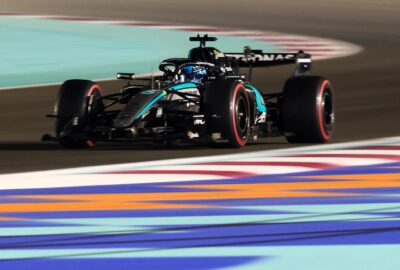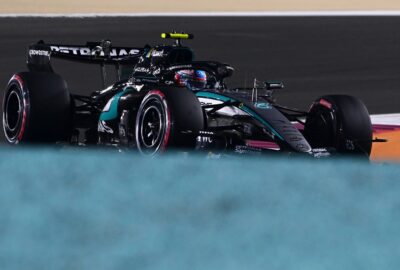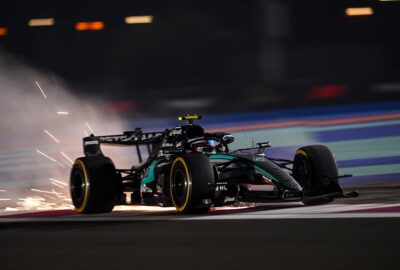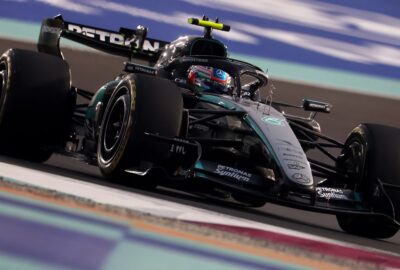
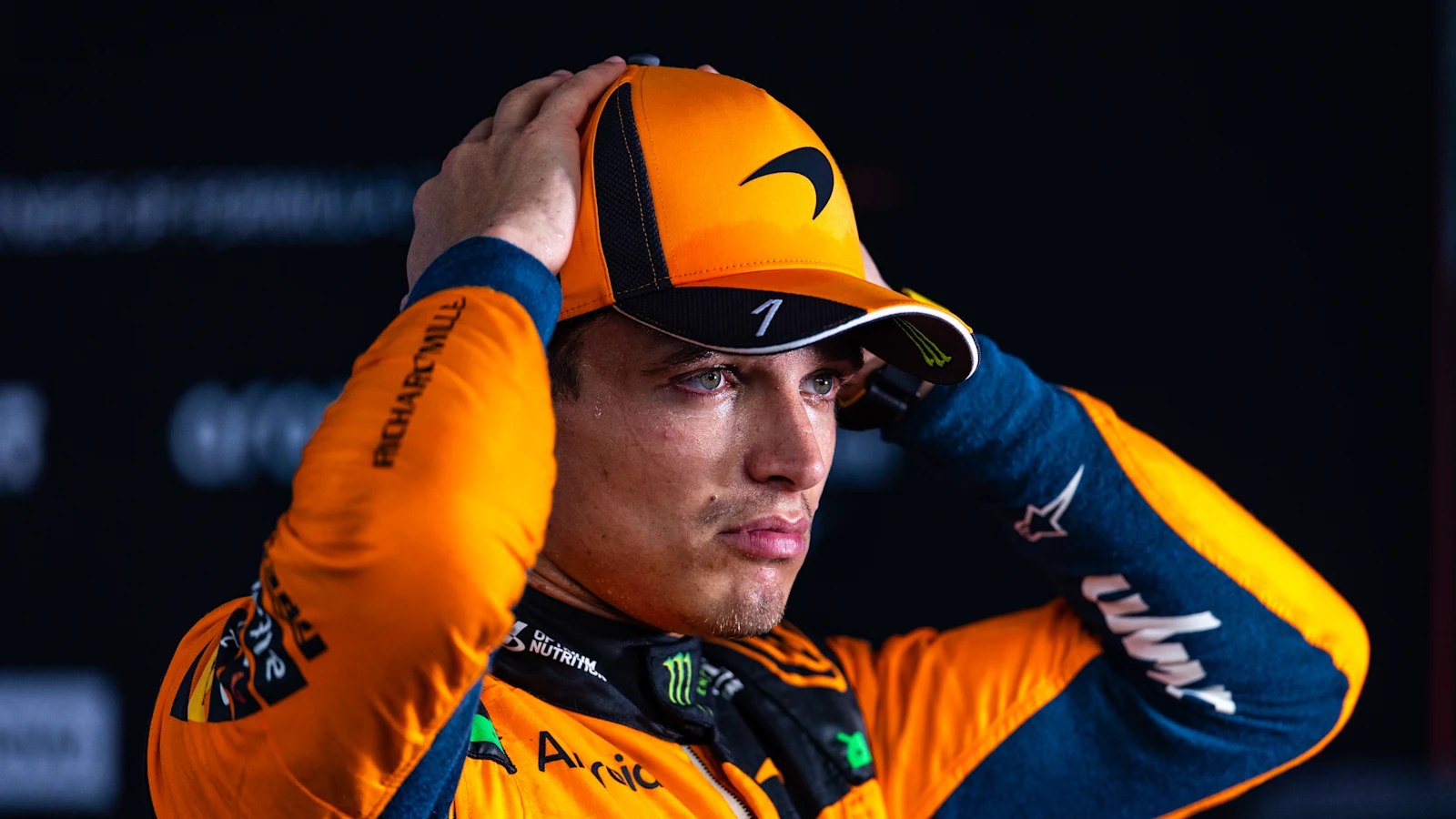
Oscar Piastri finished sixth and Lando Norris ninth for McLaren in Round 16 of the 2026 Formula 1 championship, the Bahrain Grand Prix at Sepang in Malaysia on October 4. Norris accepted mistakes in the opening tyre choice and during the late Safety Car, while Team Principal Andrea Stella identified insufficient overall pace as a separate concern.
Heavy rain delayed the race, and multiple cars encountering power problems caused the first start procedure to be suspended with a red flag. The original order was retained for the next attempt, with Norris fifth and Piastri sixth. Facing a slippery surface that appeared likely to dry quickly, both initially chose medium slicks.
Different paths after the slick-tyre gamble
Their approaches soon diverged. Piastri pitted for intermediates before the standing start, while Norris continued to gamble on the track drying. Norris said the grip felt on the way to the grid had been misleading and that he and the team got the judgment wrong. He acknowledged he should have switched earlier but had chosen to continue taking the risk.
Piastri considered the prompt intermediate switch correct, with the subsequent Safety Car helping to minimise its cost. Norris could not get the anticipated grip from his mediums. Their different paths reflected how quickly they changed the original plan once the conditions failed to match expectations.
Around lap nine, Valtteri Bottas went off and triggered a Safety Car. Both McLarens pitted for hards and gradually recovered. Norris later fitted softs, while Piastri took a second set of hards. Piastri said he was catching Charles Leclerc during that second hard-tyre stint.
That pursuit was interrupted late on. Alexander Albon stopped on lap 43, triggering a Virtual Safety Car that required drivers to slow to a prescribed pace. A full Safety Car followed, bringing the field together. Piastri felt the final intervention cut short his chase and said the car lacked the pace to make a greater impact that day.
Norris loses ground avoiding contact and receives a reprimand
George Russell stopped and retired during the Safety Car, prompting the cars ahead to bunch up. Norris said that after looking at Russell and turning his attention forwards again, he realised how sharply the pack had slowed. To avoid hitting his team mate, he went left into the run-off and through the gravel, rejoining the queue in 11th.
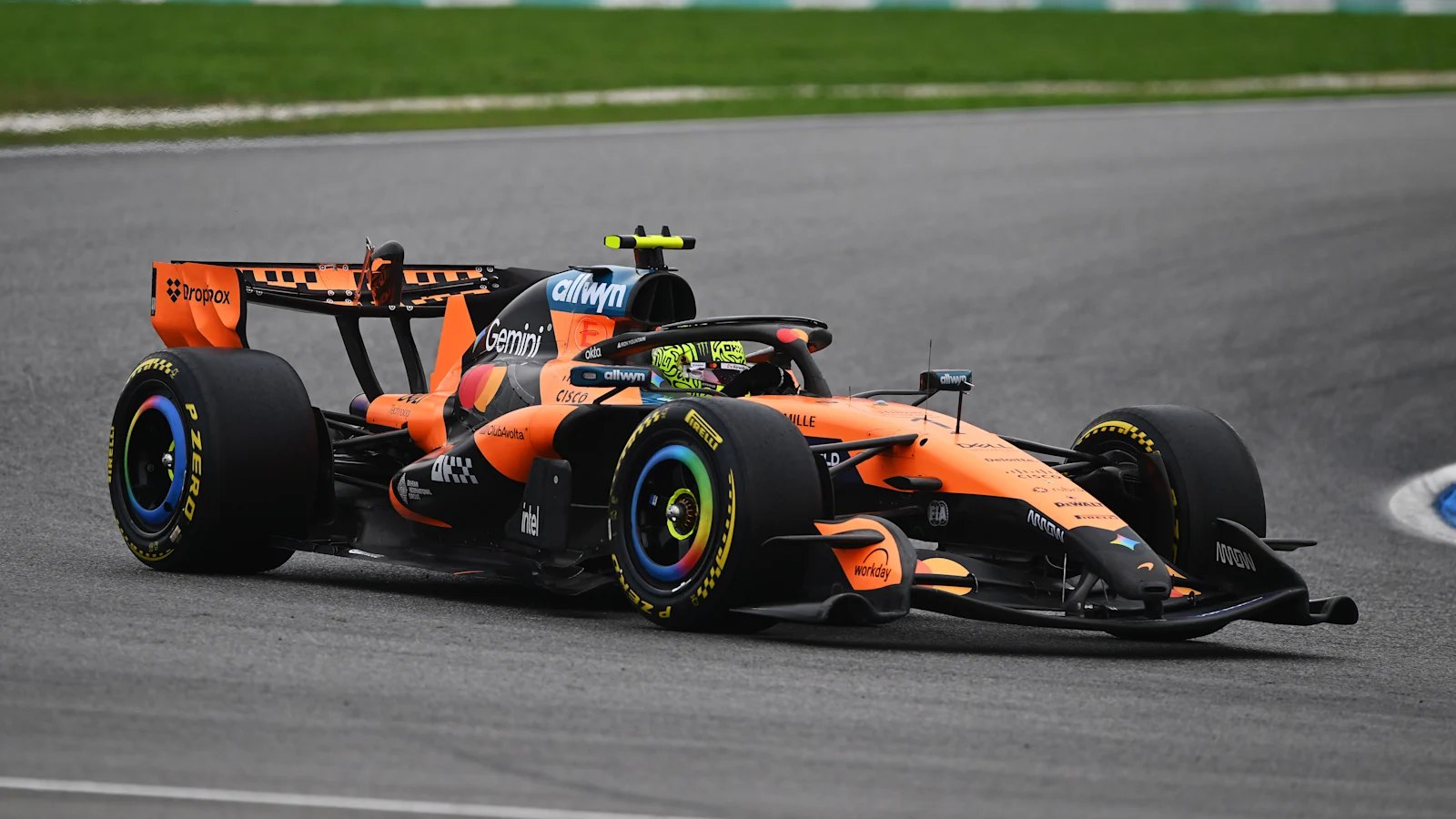
The stewards issued Norris a driving reprimand in Document 59. They found that he had not maintained a sufficient margin to the cars ahead, while also considering his prompt reaction once he recognised the danger and his success in avoiding contact. They found his return to the track safe and took no further action over the alleged overtaking under the Safety Car.
Norris recovered to ninth when racing resumed, scoring two points and finishing 13.993 seconds behind the winner. Piastri took eight points in sixth, 9.454 seconds behind. Norris accepted responsibility for the incident while judging that even better execution would only have put sixth and seventh within the team’s reach that day.
Piastri said the new parts were performing as expected, but rivals were improving too, with Red Bull’s progress particularly evident. Stella rated McLaren’s package fourth fastest at this event and felt that getting every decision right would still have made improving on Piastri’s sixth difficult. He wanted the last two races analysed to recover the competitiveness seen around the summer break. These were the driver’s and team principal’s assessments of performance.
INKA SPORTS analysis and conclusion | Execution losses and the performance gap
The two Safety Cars affected Piastri differently because they arrived at different stages of his race. Early on, he had just corrected a tyre error, and compressing the gaps helped him rejoin the contest. Late on, he was pursuing Leclerc when neutralisation ended that continuous chase and reduced the racing laps available to fight for position. The benefit depended on the losses already incurred and the opportunity developing at the time.
Norris’s error had a more specific sequence. The stewards recorded low sun making the cars’ earlier-than-expected slowing harder to recognise, leading him to misjudge his closing speed. He then braked heavily and turned left, with the kerbs reducing the grip available for braking. Prompt evasive action avoided contact, while the consequences of the insufficient gap remained. The decision treated visibility as a condition he should have anticipated, distinguishing the value of an adequate margin from a successful last-moment escape.
McLaren therefore has two issues to address together. Correcting tyre decisions earlier and leaving sufficient room for a slowing pack can reduce losses that actually occurred. Stella’s fourth-fastest assessment concerns the relative speed the car might still lack after those errors are avoided. Piastri endorsing the new parts is compatible with the team still needing to catch its rivals, and Sepang’s execution losses and performance deficit each require their own evidence.