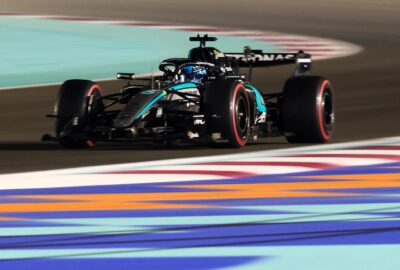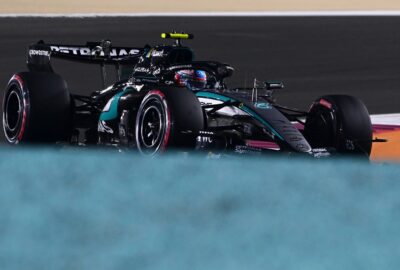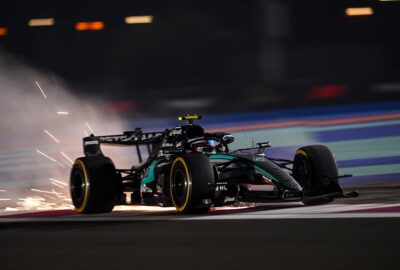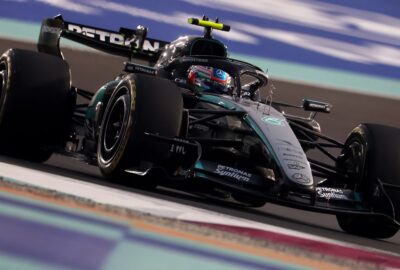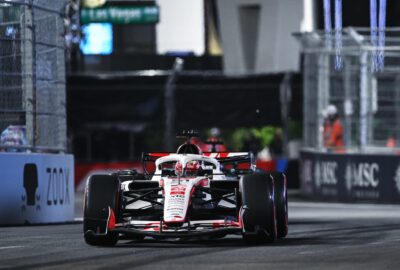
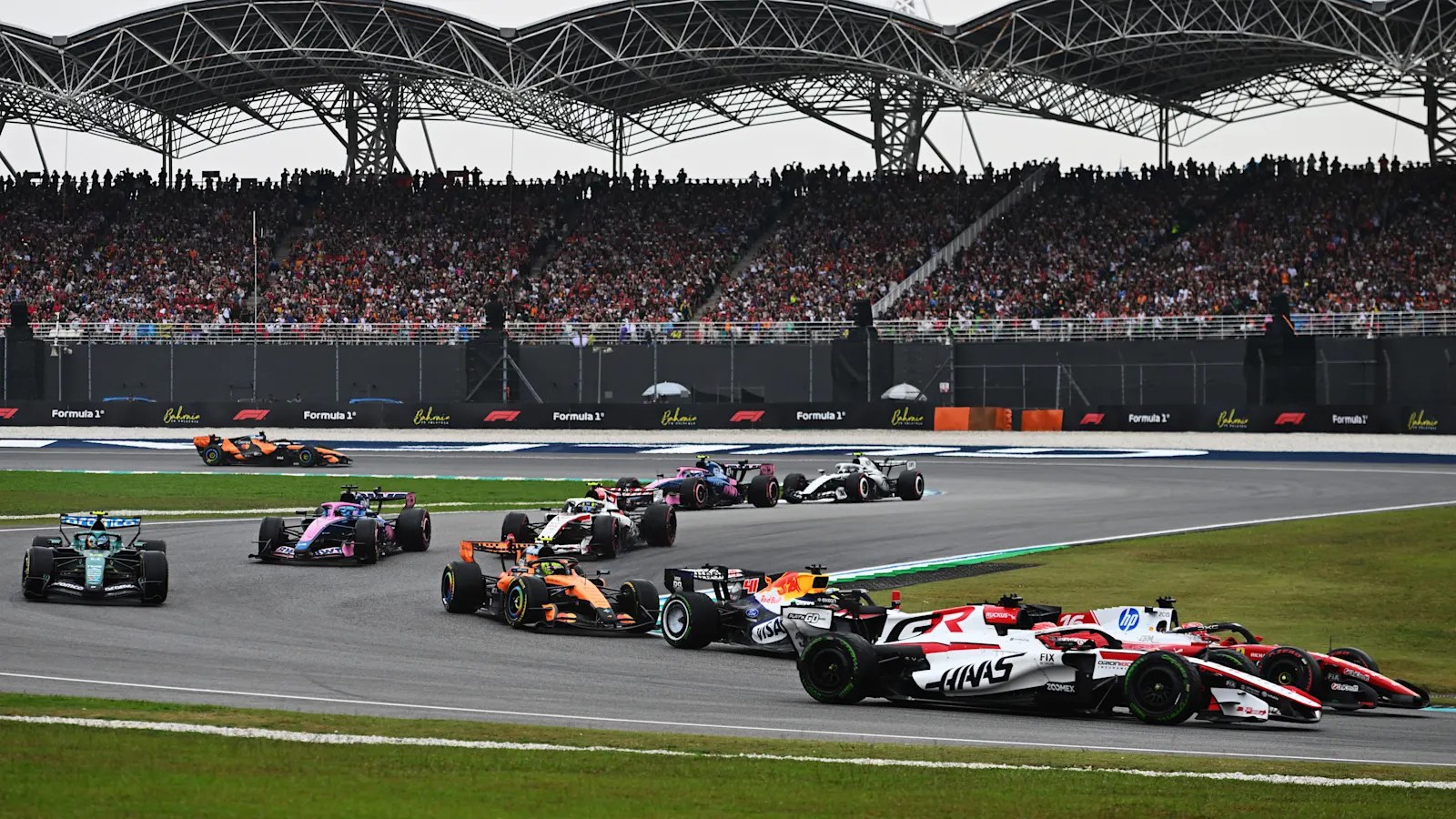
Oliver Bearman finished 14th and Esteban Ocon 15th for Haas in the F1 race at Sepang on 4 October 2026. Both completed 55 laps and finished just 0.227 seconds apart. Ocon had run sixth early on, while Bearman fell to 20th after starting on slicks. Neither tyre route ultimately brought points.
A tyre split between two starting procedures
Heavy rain delayed the race. Both Haas cars used intermediates for the initial Safety Car-led starting procedure. Power-control software problems then affected several cars, leading Race Control to suspend the procedure and return the field to the pits. Conditions had changed by the second attempt and its subsequent standing start, so Haas split its tyre choices.
Bearman started 16th on soft slicks, while Ocon retained intermediates in 17th. Enough slippery patches remained for Ocon to climb to eighth and then pass both Williams drivers to reach sixth, gaining 11 places from his grid position. Bearman fell to 20th, a loss of four places.
Valtteri Bottas going off brought out the Safety Car on Lap 9. As the circuit dried, Ocon changed to softs and Bearman to mediums. They restarted sixth and 20th respectively. Recovering Ferrari and McLaren cars subsequently pushed Ocon back towards the edge of the points.
Bearman estimated that he lost 40 seconds in the opening phase, while feeling the car had good pace. Team Principal Ayao Komatsu considered splitting the strategy the right way to spread the risk. His regret was failing to pit Bearman sooner once the scale of the time loss became clear. The team had expected the track to dry faster than it did.
Pit execution and the late Safety Car change the contest
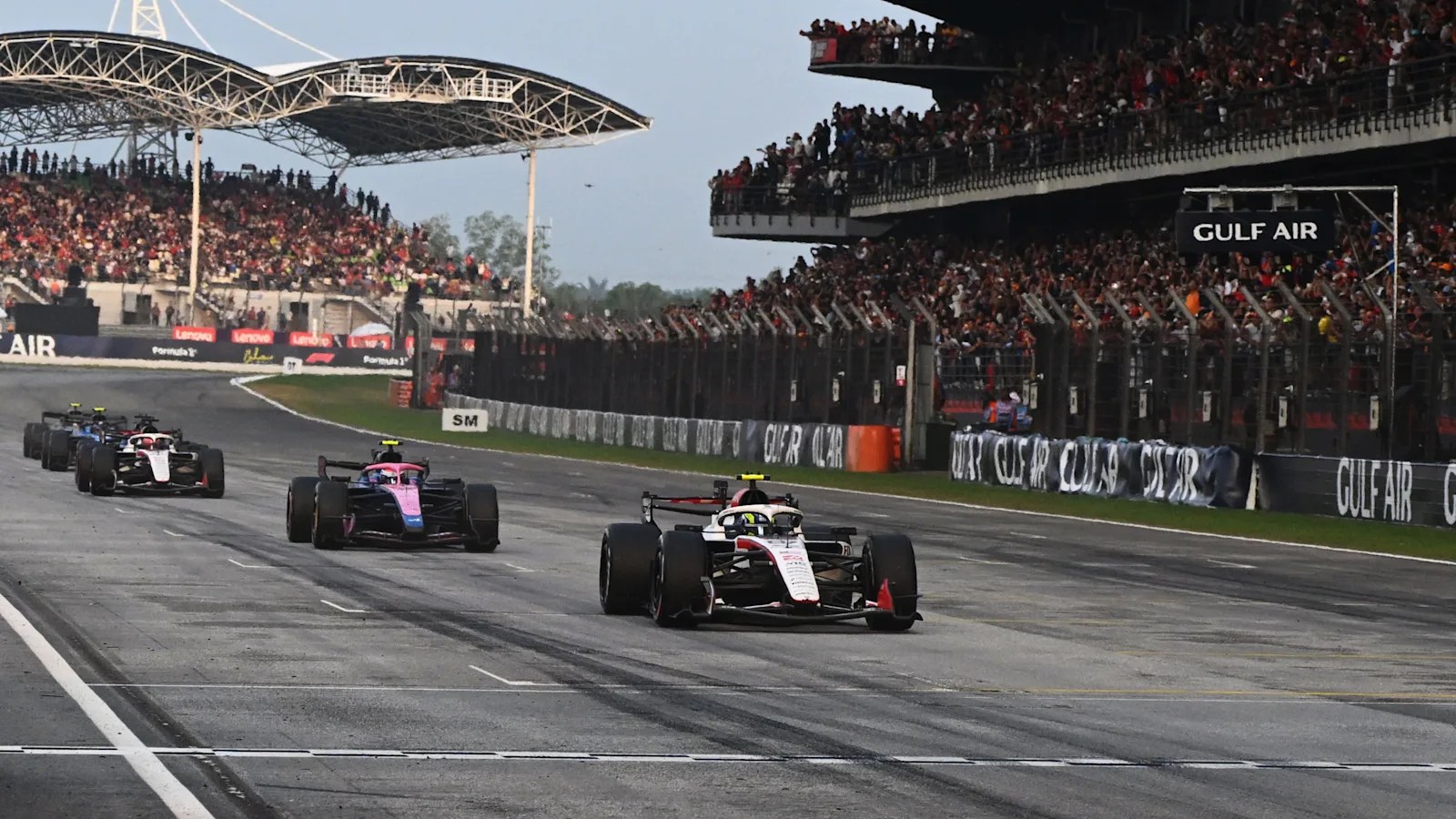
Bearman later took hards on Laps 25 and 39. Ocon used hards from Lap 29 and softs from Lap 41. Alexander Albon stopping on Lap 43 triggered a Virtual Safety Car, requiring the field to slow to a prescribed pace, before a full Safety Car led the pack. Ocon stayed on the softs he had recently fitted. By the regrouping they had completed several laps, and their temperature loss affected the restart.
Komatsu said Ocon’s early intermediate stint and his following soft-tyre pace against the hard-shod Racing Bulls were strong. However, Ocon went wide on a pit entry and the stop was imperfect, costing a position to one of the Racing Bulls cars. He then pushed the new tyres too hard. Bearman eventually finished 22.305 seconds behind the winner and Ocon 22.532 behind, both outside the top 10.
| Driver | Grid position | Finish | Laps completed | Gap to winner | Points |
|---|---|---|---|---|---|
| Oliver Bearman | 16 | 14 | 55 | +22.305s | 0 |
| Esteban Ocon | 17 | 15 | 55 | +22.532s | 0 |
INKA SPORTS analysis and summary: adapting promptly after splitting the risk
The opening phase shows how splitting choices can preserve opportunities under two assessments of conditions, provided the team then adapts to the surface it actually encounters. Ocon converted intermediate grip into position, while Bearman’s softs depended on the drying phase arriving. Slower drying extended the losses from waiting. Komatsu’s criticism of the delayed response identifies the execution step still required after spreading the initial risk.
Ocon’s losses followed a different connected sequence. Komatsu praised the first two stints’ pace before identifying pit entry, the stop and use of the new tyres as problems. The late neutralisation also arrived shortly after the Lap 41 tyre change. Other cars could adjust their tyres under neutralisation, while regrouping compressed the gaps. Temperature loss in Ocon’s older softs then complicated the restart. Stop timing and tyre condition therefore shaped the final contest together.
Haas failed to carry its early sixth place into a points finish. The specific losses involved a delayed opening correction for Bearman and the connection between later stops and tyre use for Ocon. Both drivers showed competitiveness at different stages. Converting that pace required timely adaptation, accurate pit work and usable tyre condition at the restart to remain connected through the closing phase.