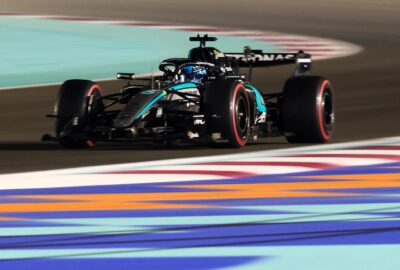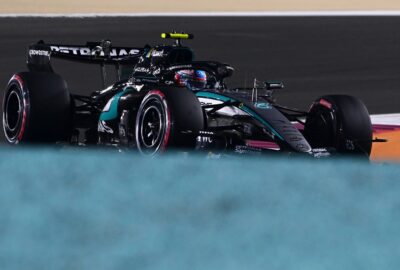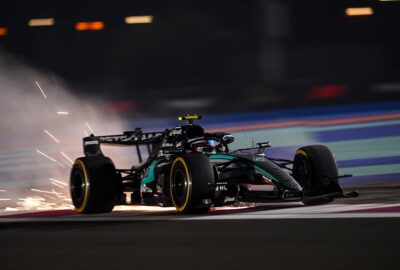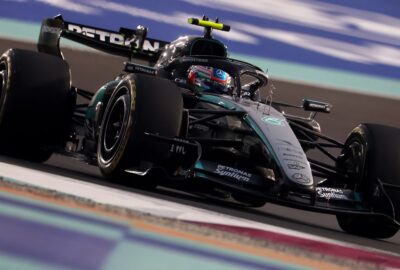
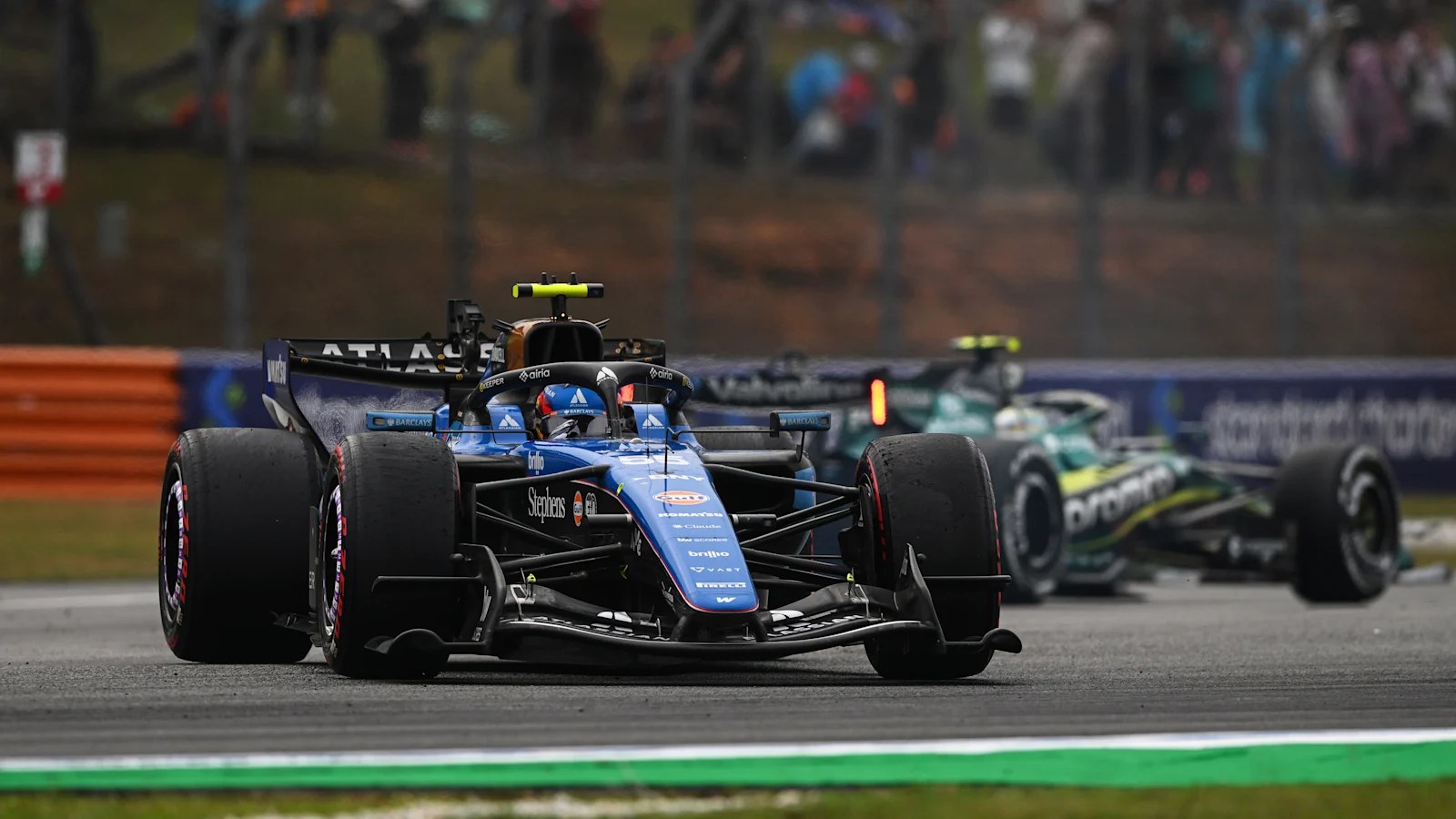
Carlos Sainz finished 17th and Alexander Albon retired for Williams in the F1 race at Sepang on 4 October 2026, leaving the team without points. They had risen to sixth and seventh after the first racing lap following the standing start, before tyre changes on a drying track, a Safety Car restart, contact and car problems disrupted their afternoon.
Intermediate gains fade as the circuit dries
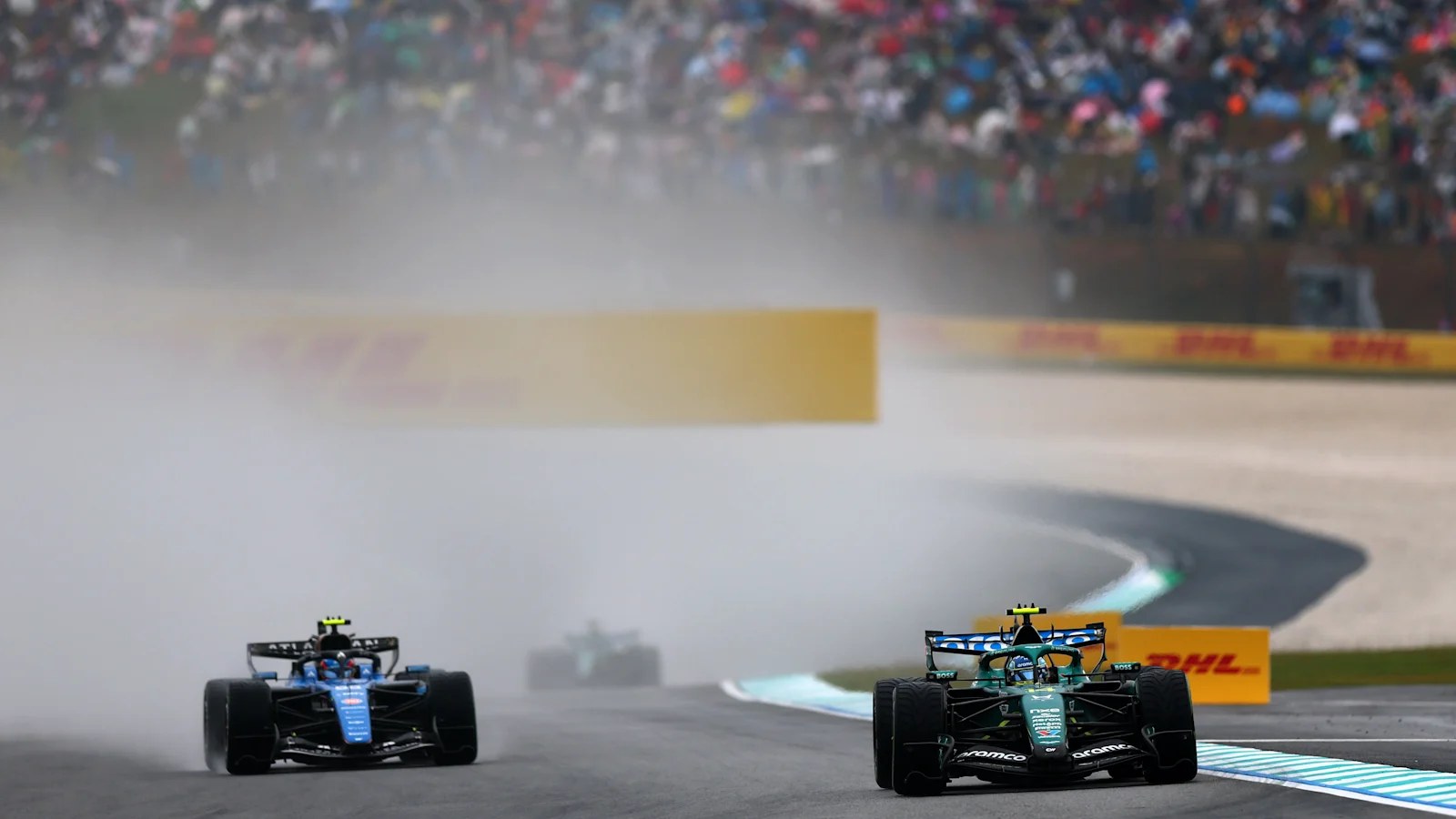
Rain delayed the race, and the initial Safety Car-led starting procedure was suspended after several cars suffered power-control software problems. The field returned to the pits and later set off again behind the Safety Car before a standing start. Both Williams drivers used intermediates, which suited the still-slippery surface.
Sainz started 13th and reached sixth by the end of the first racing lap, gaining seven places. Albon rose from 18th to seventh, a gain of 11. By Lap 8 they were seventh and ninth respectively, while some drivers still on slicks were losing time through insufficient grip.
Valtteri Bottas going off brought out the Safety Car on Lap 9. With the circuit drying, Williams double-stacked its cars for slick tyres, servicing one before the other could be attended to. Sainz was eighth and Albon 12th at the Lap 13 restart. Albon felt the double-stack had affected his race.
At Turn 2 after the restart, Gabriel Bortoleto attempted to pass Sainz on the inside. Contact spun Sainz around and cost him ten positions. The stewards found that Bortoleto’s front axle had not reached Sainz’s mirror before the apex and that he subsequently failed to maintain the inside line. Sainz had left sufficient room, and Bortoleto was held wholly responsible and given a ten-second penalty.
Contact and car problems interrupt the recovery
Albon then reported brake problems and took hards on Lap 17. He explained that a flat spot on the soft tyres had also forced an earlier stop. On the leader’s Lap 43, his car stopped with what the team reported as a gearbox issue, triggering a Virtual Safety Car that required the field to slow to a prescribed pace, followed by a full Safety Car. Albon himself had completed 41 laps and was ultimately not classified.
Sainz recovered to 15th before taking hards on Lap 26 and stopped again under the late Virtual Safety Car. He defended against Bortoleto in the closing phase to finish 17th after 55 laps, 25.431 seconds behind the winner. Bortoleto was 18th at 28.233 seconds, a finishing difference of 2.802 seconds.
| Driver | Grid position | Position after first racing lap following standing start | Race classification | Laps | Points |
|---|---|---|---|---|---|
| Carlos Sainz | 13 | 6 | 17 | 55 | 0 |
| Alexander Albon | 18 | 7 | — (not classified, retired) | 41 | 0 |
INKA SPORTS analysis and summary: the Safety Car compresses a wet-weather buffer
Team Principal James Vowles said the cars had built enough of a gap behind on intermediates to make a pit stop, before the Safety Car brought the chasing cars close again. With that time buffer reduced, pit-stop execution and dry pace became important to retaining position. He acknowledged shortcomings in both. The position sequence also shows Sainz already falling from sixth to eighth and Albon from seventh to 12th before the collision.
The subsequent losses followed two routes. Being spun around displaced Sainz from his original points position, requiring further overtaking and pit-stop decisions to recover. Albon’s flat-spotted softs led to an earlier stop, while brake and gearbox problems further disrupted his race. Those events added to the pace limitations as the circuit dried, making the opening gains harder to recover.
Williams’ opportunity changed through a sequence of intermediate-tyre gains, Safety Car compression and positions lost around the slick change, followed by contact and car problems. Choosing the intermediates delivered a wet-weather benefit. Preserving it depended on later execution, pace and completing the race. The two cars’ shared opening advantage was progressively consumed by their separate later losses.