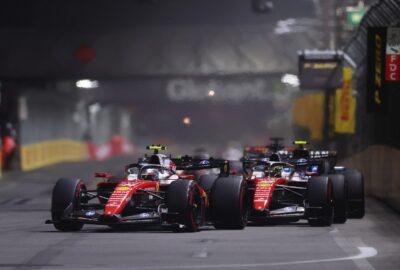
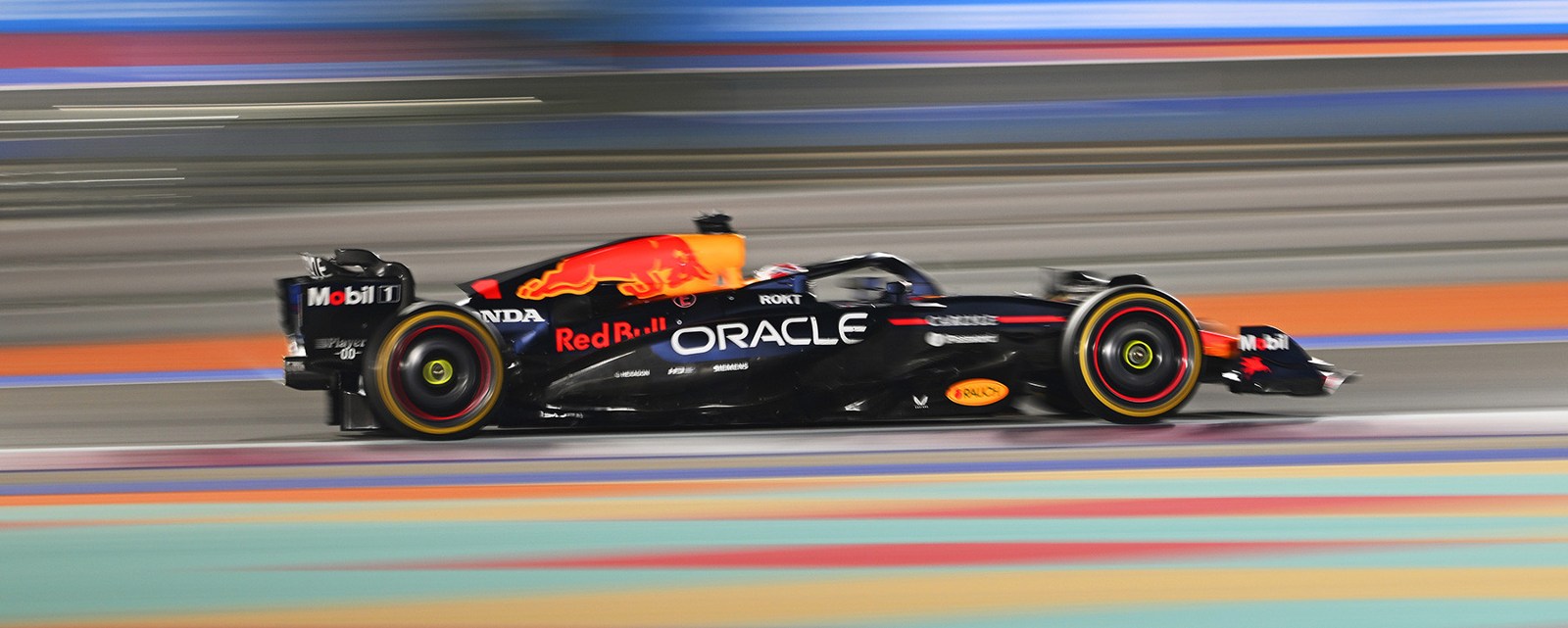
Pirelli announced its Qatar Grand Prix tyre plan on November 24. Lusail hosts the penultimate round of the Formula 1 season this weekend, with 57 laps scheduled on Sunday. Pirelli and the FIA have agreed a maximum of 27 laps per set. That is two more than last year, but even two sets used to their full allowance cover only 54 laps. Drivers need a third set to complete the scheduled distance.
Why Lusail limits how long each set can run
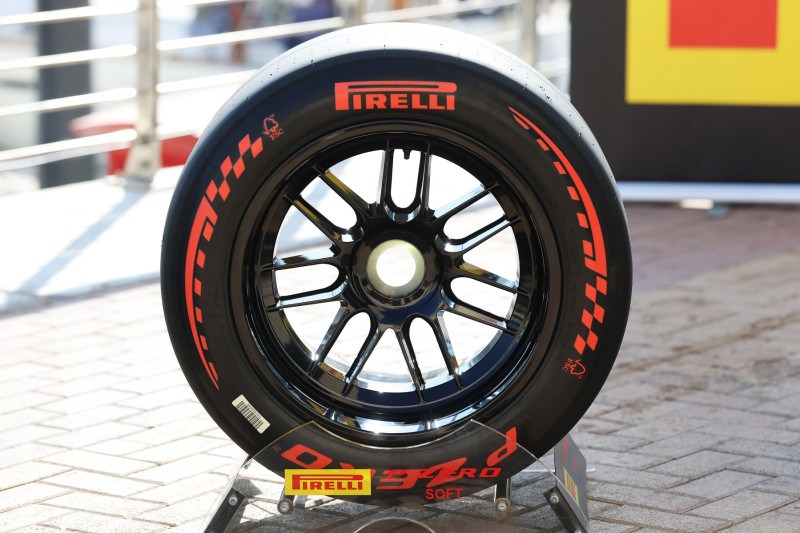
Pirelli has chosen the three hardest compounds in its range: C1 as the hard, C2 as the medium and C3 as the soft. Lusail’s 16 corners include a run of fast turns that places prolonged lateral load on the tyres. Wear is particularly high on the left front, and a relatively smooth surface combined with high track temperatures can encourage graining. Pirelli’s experience from previous years suggests lap times can remain relatively stable over a stint even when wear is high. A driver still finding pace cannot judge the remaining tyre life from lap time alone.
Pirelli attributes the increase to two changes. The 2026 tyres have a more reinforced construction and this year’s cars generate lower aerodynamic loads than their predecessors. It chose a mileage cap as an alternative to measures such as raising the minimum starting pressures. Qatar also returns to a conventional weekend with three practice sessions, qualifying and the Grand Prix. There is more practice time to study long runs and one fewer race using up tyre mileage.
INKA SPORTS Analysis and Summary: What do two extra laps change?
A Safety Car on lap seven last year prompted most drivers to get off the mediums. That offered an early first stop, but with a 25-lap allowance those cars needed a second change by lap 32 at the latest. If a driver stopped on lap seven again this year and had all 27 laps available on the next set, they could in theory run until lap 34 before changing again. In an uninterrupted race, later stops could also work. Three 19-lap stints are one way to split the distance, provided the sets have enough mileage left. Two stops are the minimum. Interruptions and the available life of each set can change the plan.
Both McLarens stayed out under last year’s Safety Car and ran on a different pit sequence from the rest. Piastri gave up the lead for his final stop on lap 42. Norris made his last stop two laps later, and Verstappen consolidated his lead as that sequence played out. Even a driver who spends a long time at the front still has to account for the stop they owe.
Watch where drivers rejoin after each stop. Stopping early might get a driver out of one pack only to drop them behind a different group. Waiting could secure cleaner air but uses up more of the remaining life on the current set. With two stops still to make, the extra allowance chiefly changes when a driver can stop and where they are likely to rejoin. The Grand Prix is scheduled to start on November 29 at 19:00 local time in Qatar (16:00 UTC).