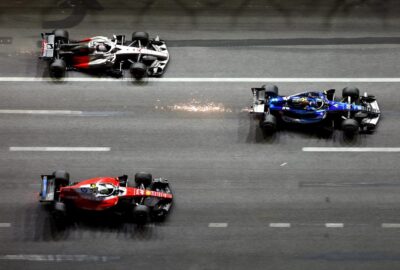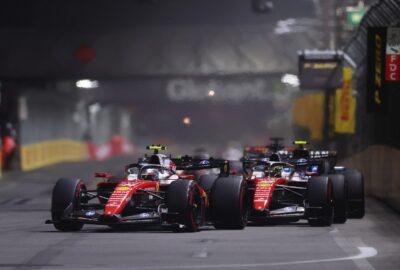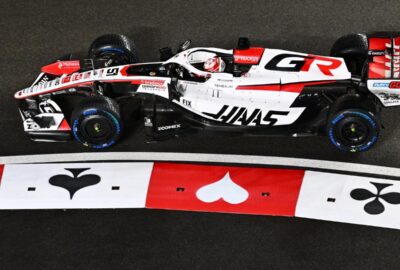
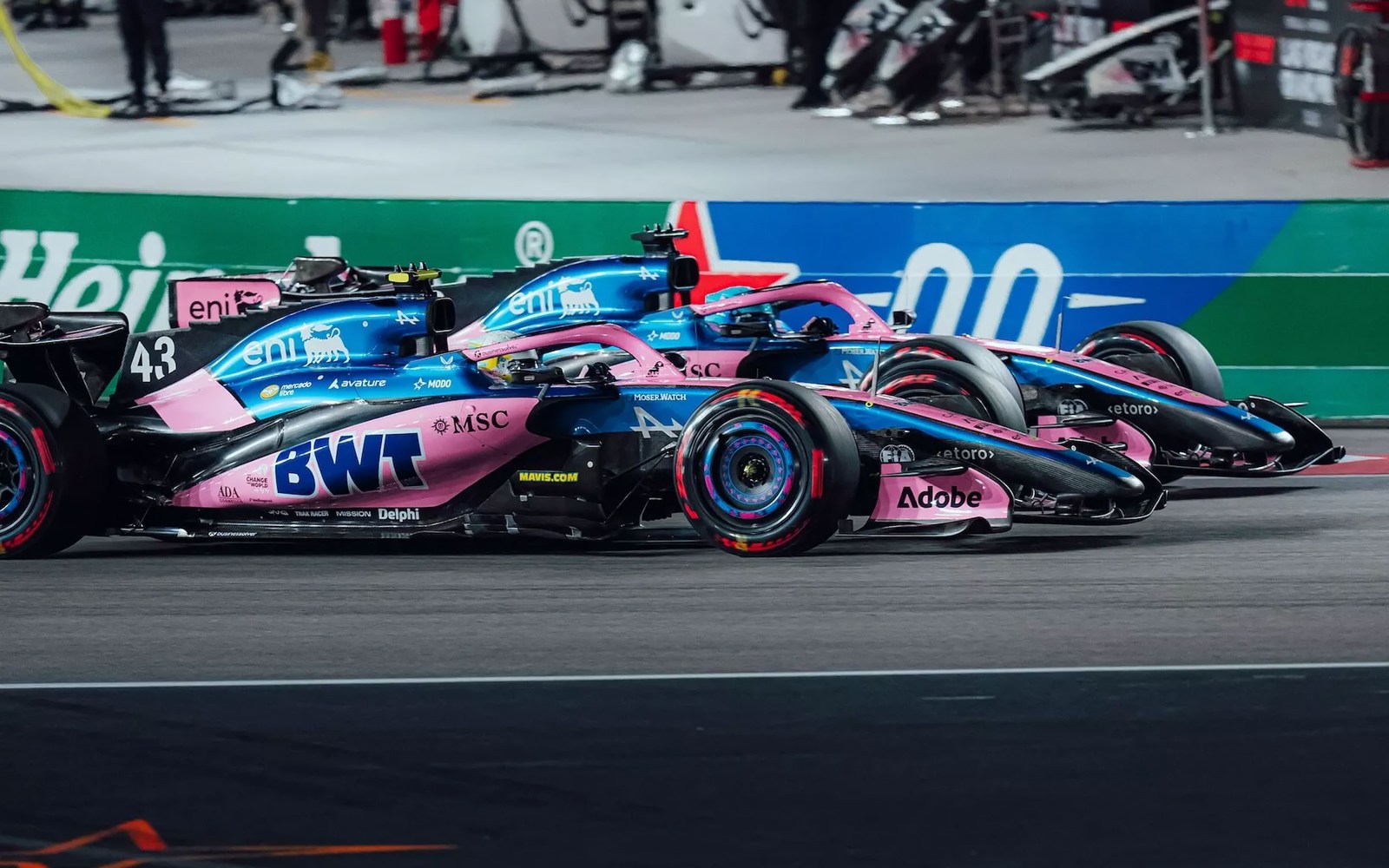
Pierre Gasly climbed as high as third in the Las Vegas Grand Prix before finishing fifth. He said the team warned him as he reached the front group that the power unit was overheating and that he had to back off its output. In a race with so much passing on long straights, the problem quickly became how closely he could follow.
Two places gone in one lap
Gasly said he lost a place on the approach to Turn 5 and another on the following straight as soon as he selected the most aggressive cooling mode. Those two losses in one lap changed his priorities. Even when he could reach the gearbox of the car ahead, he had to leave some space to bring the temperature down.
He said he was allowed back on full power for the last two laps. Gasly briefly passed Kimi Antonelli for fourth on the final lap but Antonelli got back ahead before the flag. The official gap was 0.353 seconds. Franco Colapinto finished sixth, giving Alpine 18 points across both cars.
INKA SPORTS Analysis and Summary: Why catching a car and staying with it became different jobs
The slipstream reduces the drag a car faces on a straight. Gasly also needed enough space to cool the power unit, and those requirements pulled in opposite directions. Turning down the output cost him places. Backing away then made it harder to use the tow to get those places back.
Gasly felt he might have fought for a podium at full power and at one point thought he might challenge for the win. His brief pass on Antonelli shows he could still attack once the output was restored. The Mercedes held fourth at the flag. His account also gives Alpine a specific question to investigate: why power-unit temperatures became a limit on a cold night.
Two cars in the top six showed Alpine could stay in the points fight. For Gasly’s side of the garage, the job is to understand when the reduced power was needed and when he had to give up the tow. Those were the two limits on holding the sort of track position he gained early in Las Vegas.