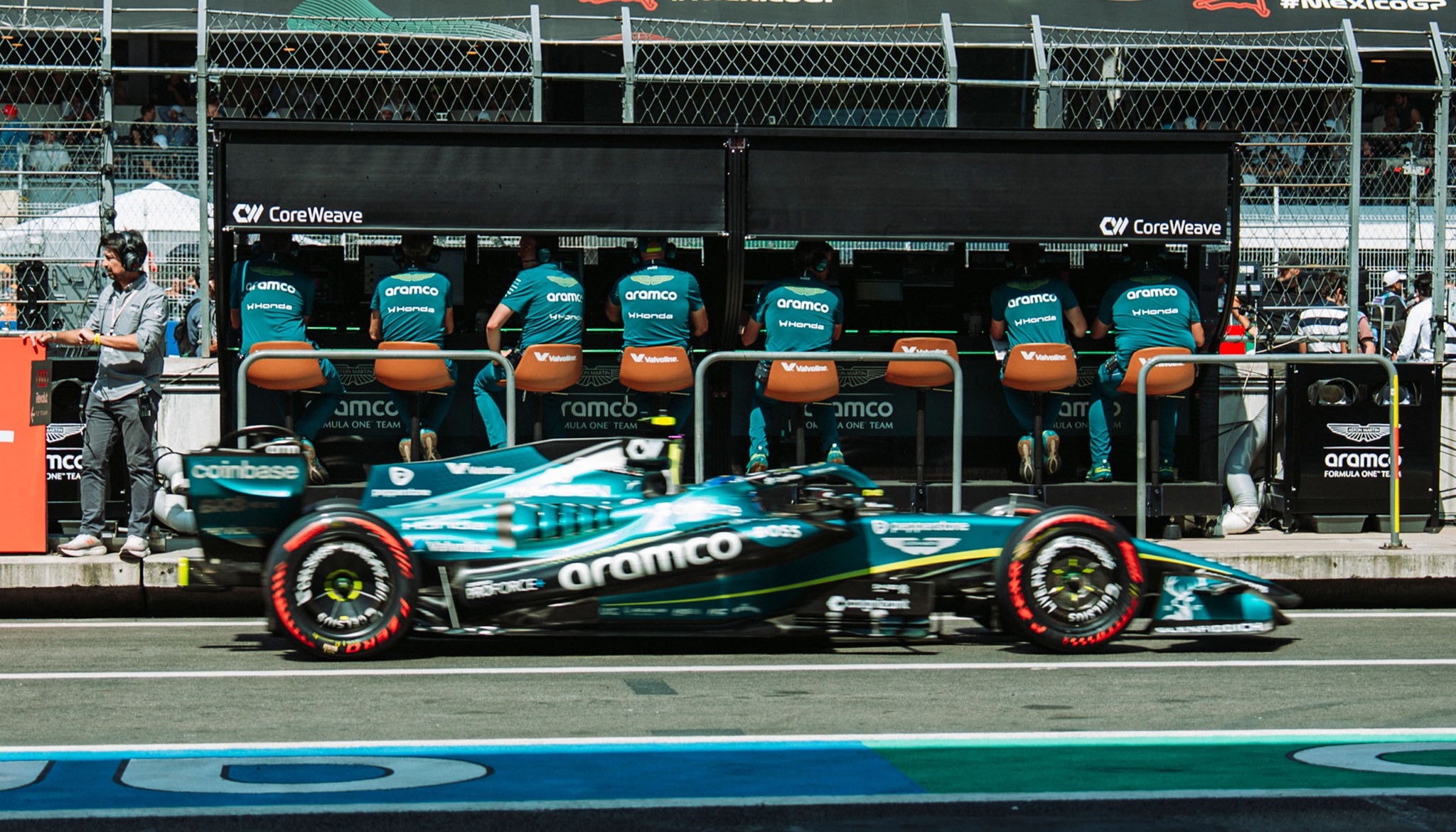
Aston Martin suffered a double retirement at the Mexico City Grand Prix, with Fernando Alonso and Lance Stroll each credited with just five completed laps. Honda’s explanation focused on the cooling load affecting the energy recovery system at high altitude. Changes to the drivers’ approach and an early stop to find cleaner air were unable to keep either car in the race.
In Honda’s official post-race account, Trackside General Manager and Chief Engineer Shintaro Orihara said the team had expected an additional cooling challenge in Mexico City, but the ERS cooling circuit came under greater stress than anticipated. ERS stands for energy recovery system. A follow-up report published by Formula 1 on November 4 recorded his further explanation that the problem arose in particular operating conditions.
84 practice laps, but problems in qualifying and the race
Alonso completed 84 laps across the three practice sessions, demonstrating that the car had been able to sustain running. In qualifying, however, he was told to stop after one Q1 run because of an MGU-K cooling issue. The MGU-K is the motor that recovers braking energy and supplies electrical drive. Replacing relevant components before the race did not prevent the problem from recurring.
Honda’s race account recorded instructions for both drivers to lift and coast earlier, adjust their gear use in slow corners and leave more space to the car ahead. Both then pitted at the end of lap three, changing to another set of Soft tyres. The team told Stroll that remaining in traffic without access to clean air would make the situation more difficult, so the early stop included an attempt to ease the cooling load.
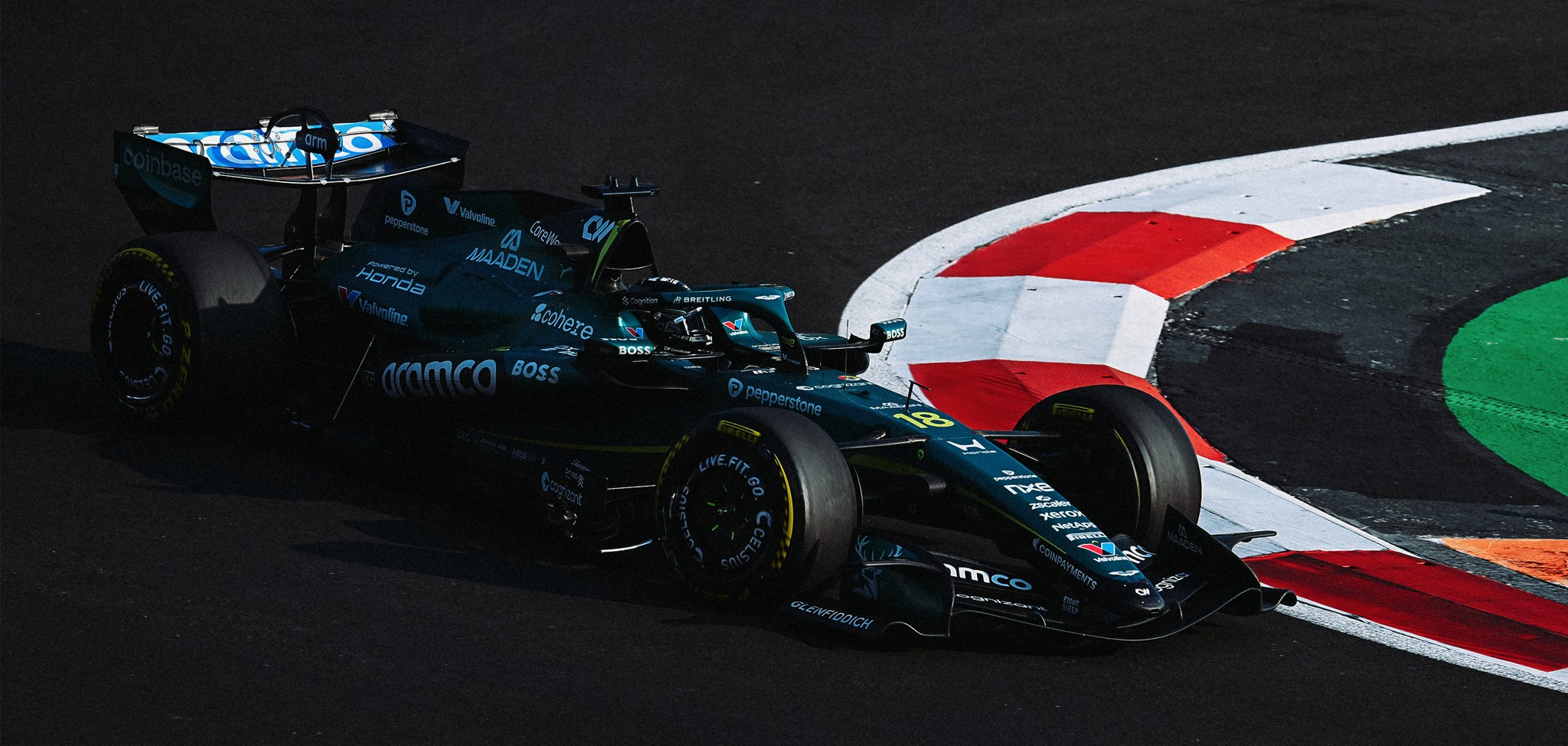
An early cooling stop was followed by retirement
Those measures did not keep the cars running. Alonso was subsequently called back to the pits to retire, while Stroll was instructed to stop on track to avoid damaging the battery. Both finished with only five completed laps. Aston Martin’s own summary also described abnormal pressure levels in the power-unit systems that brought their race to an early end.
In Formula 1’s follow-up report, Orihara explained that most normal racing laps could be managed, but particular conditions still exposed weaknesses in ERS management and drivability. He identified those cases as lessons to take back to the factory. For Alonso, the contrast between substantial practice mileage and the inability to complete qualifying and the race was the most frustrating part of the weekend.
INKA SPORTS Analysis and Summary: Extending reliability checks to exceptional conditions
The Mexico double retirement shows why practice mileage and race reliability need separate assessment. The 84 laps provided evidence that the car could run in the conditions it had already encountered. Repeated failures in qualifying and the race further revealed the limits of that performance. Retirement after early lifting, increased separation and an early stop also showed that the trackside measures available at the time had not resolved it.
Aston Martin needs to carry the running capability seen in practice through a complete qualifying session and race. The specific task left by Mexico is to identify and address cooling conditions that may remain hidden during most normal laps but can still end a race. Honda has not disclosed the full triggering conditions or the results of any validated fix; further improvement should be judged through subsequent reliability and the team’s explanations.