From second place to no points: losses at different stages
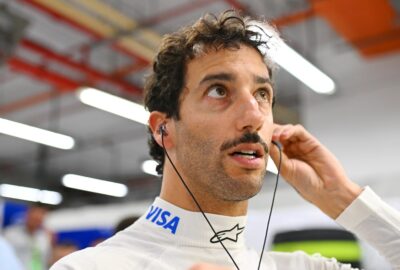
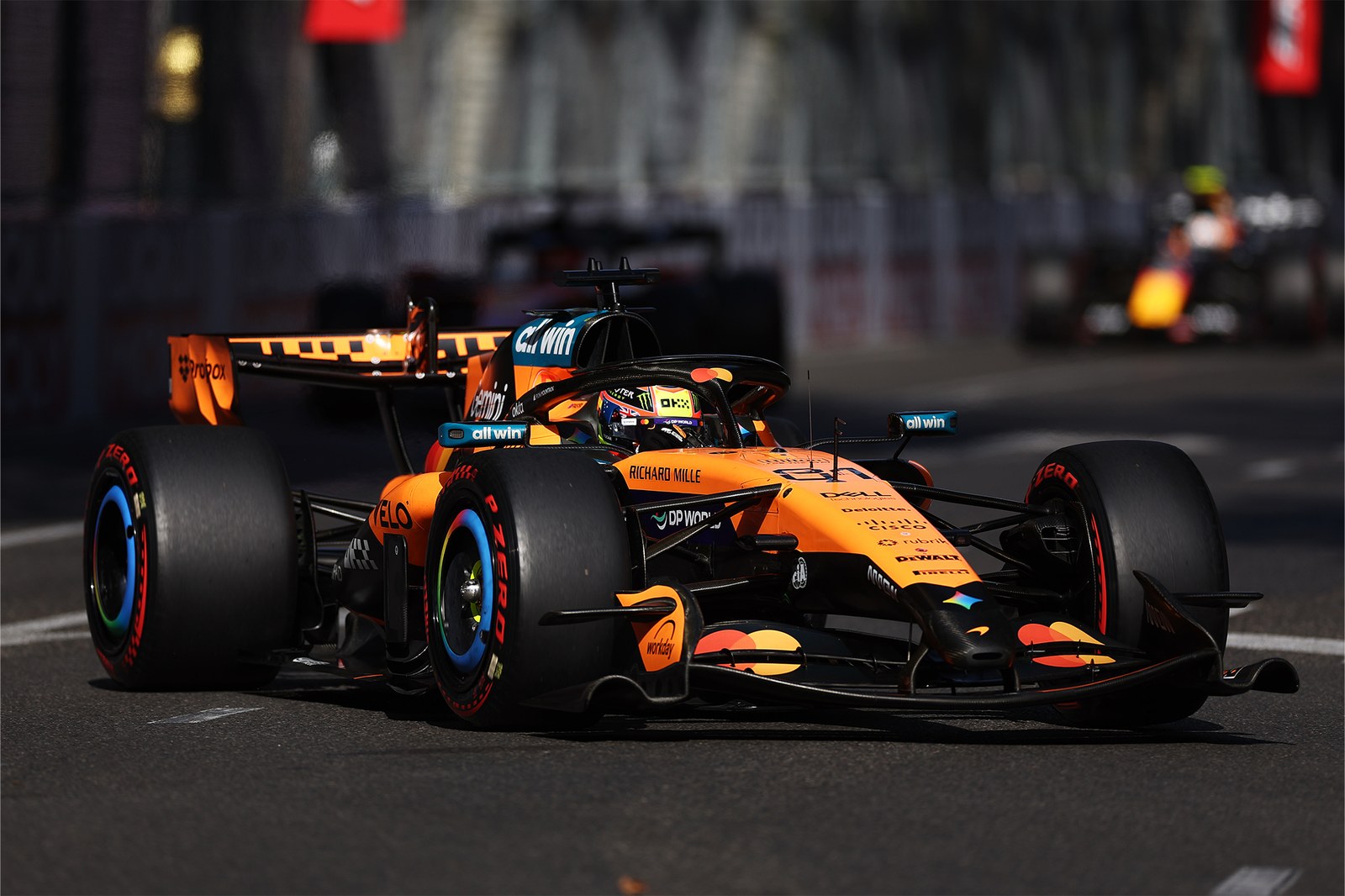
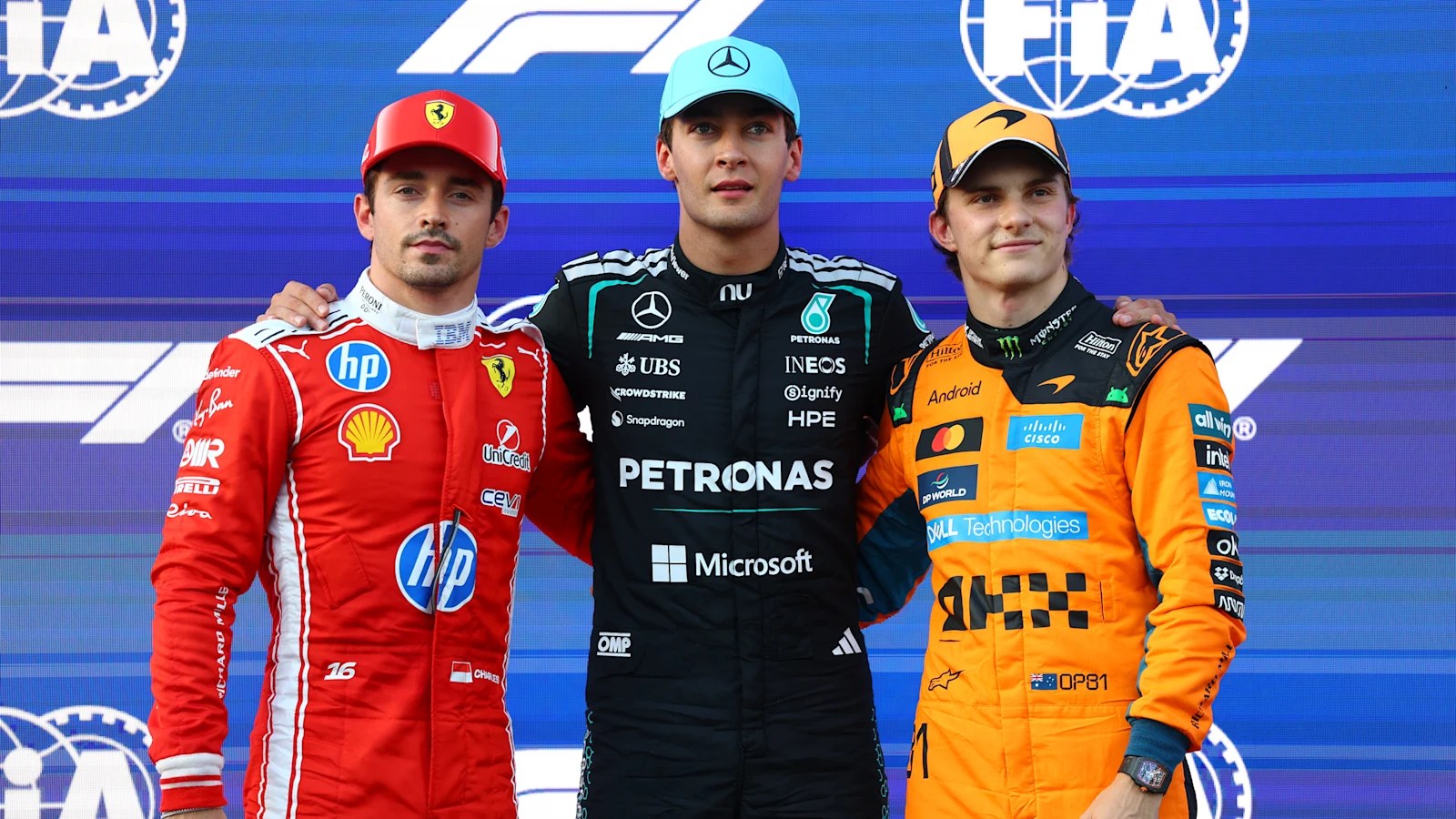
In the F1 Azerbaijan Grand Prix on 26 September, Oscar Piastri started third and passed Charles Leclerc on the opening lap for second, but later locked up while defending against Isack Hadjar and ran into the Turn 1 escape road. The FIA’s final race classification lists him 13th, 36.401 seconds behind the winner. Team-mate Lando Norris retired, leaving McLaren without a point.
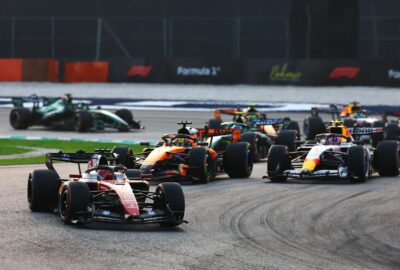
Both cars had opportunities to score. Norris moved up to fourth at the start before losing positions. He completed the opening stint on mediums and switched to softs under the safety car. At the restart, he tried to progress on the outside but was caught in the collision between Pierre Gasly and Franco Colapinto and hit the barrier. Piastri’s race continued to the finish, but the lock-up and its consequences cost him first a podium position and then the chance to score.
Changing defensive conditions, with the lock-up’s cause still to be checked
According to McLaren’s official post-race report, Piastri used softs in the opening stint and built a gap through the castle section to hold off both Red Bulls despite a straight-line deficit. His stop during the first safety-car period preserved second. After switching to mediums, he struggled to bring the tyres into their operating window at the restart and was overtaken by Max Verstappen, dropping to third.
After the second safety car came in, Piastri initially held off Hadjar. On the following lap, he locked up while taking a defensive line at Turn 1 and entered the run-off area. The bunched field meant he quickly fell towards the back. Flat spots from the lock-up caused vibration, and he also had to manage the brakes, limiting his recovery.
In an official F1 interview, Piastri said the lock-up surprised him and its precise cause needed investigation. He saw positives in the opening stint and first half of the race and felt he better understood how to extract the car’s speed. His sense that the mediums felt worse than the initial softs was race feedback, not a complete explanation of the lock-up’s direct cause.
The team’s assessment of the upgrade and the car’s limitations
In the team’s post-race report, principal Andrea Stella said the upgrade worked as expected, but Baku demanded a larger improvement. The car still had limitations including high drag and insufficient top speed, leaving the drivers defending for long periods. The FIA upgrade submission for the event includes airflow and aerodynamic changes to the sidepod inlet, engine cover, floor edge and diffuser. These describe component changes and objectives; the report provides no individual lap-time gain for each part.
INKA SPORTS analysis: why early defensive strength could not be sustained
Piastri’s ability to hold second in the opening stint depended on building a gap in the corners to offset his straight-line weakness. Once the safety car bunched the field again, those defensive conditions changed and immediate performance at the restart became more important. Medium-tyre temperature difficulties at the first restart explain part of the problem described by the team. The precise trigger for the lock-up a lap after the second restart remains unconfirmed. Separating those phases clarifies the respective roles of the existing speed deficit and the individual braking event.
The lock-up cost more than simply allowing Hadjar through. In a normally spread-out field, positions lost during an off-track excursion depend on the gaps behind. Here, the field had just been compressed, so one error sent Piastri backwards. Flat spots, vibration and brake management then constrained the chase. The consecutive loss of positions and performance was an important part of his eventual failure to score; he did not retain his earlier recovery potential once he fell back.
The drivers’ different tyre sequences further show why one conclusion about compound choice cannot explain both cars scoring nothing. Piastri started on softs and finished on mediums. Norris had an opportunity to attack later on the better-performing softs but was eliminated in the collision. Stella’s positive upgrade assessment and the team’s failure to score can both be valid. Whether the package improved its own performance, whether the whole car could reduce forced defending, and whether the drivers could carry opportunities to the finish are separate questions raised by the race.
Conclusion
Piastri’s start near the front and strong first stint show McLaren had competitiveness during parts of the Baku race. Straight-line limitations, difficulties after the tyre change and the consequences of the lock-up prevented that performance from lasting to the finish. Norris’s retirement removed the opportunity to deliver with a different tyre sequence. The review must focus on keeping existing speed available through restarts, tyre changes and defence, while establishing the exact lock-up cause. An upgrade working as expected still needs testing through the ability to hold and contest positions over a full race.