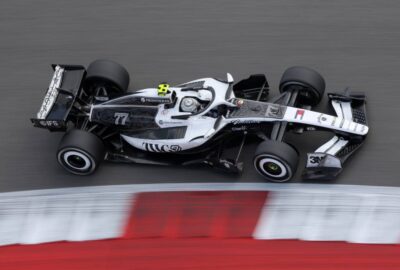
Completing 51 laps on his return after missing three rounds
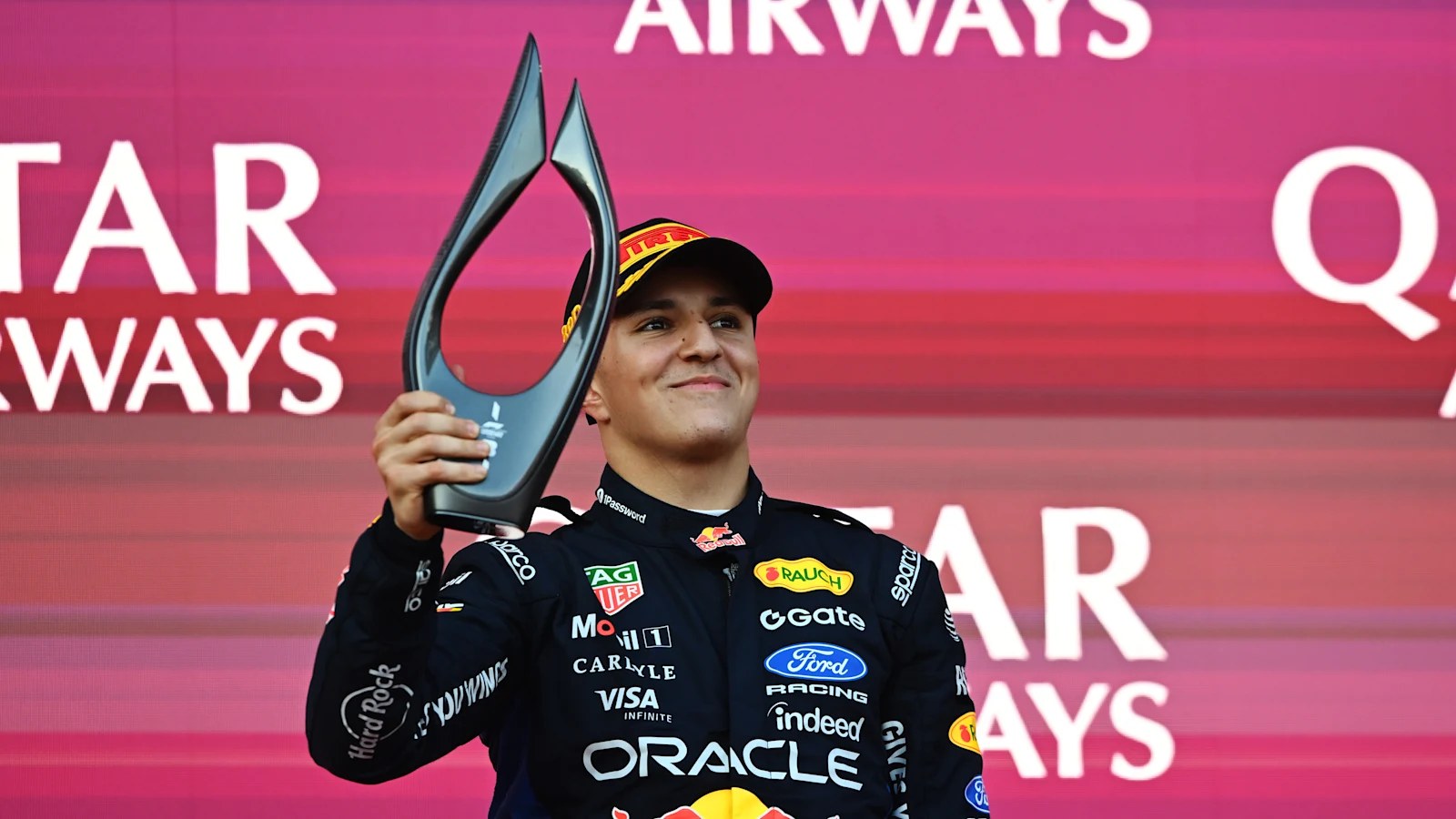
Isack Hadjar finished third in the F1 Azerbaijan Grand Prix on 26 September, starting fourth and earning 15 points for Red Bull. It was his first race after missing three consecutive rounds with a wrist injury and his third career F1 podium. His post-race description of a first podium on “pure pace” was his own assessment of this event’s competitiveness.
Hadjar injured his wrist while training during the summer break and missed Zandvoort, Monza and Madrid. In an official F1 interview, he said the six-week wait had felt very long. With the barriers close in Baku, he chose to rebuild confidence gradually. His wrist still felt somewhat numb after the finish, but he was satisfied with his condition over a complete race and looked forward to the busy schedule ahead.
From disrupted practice to fourth in qualifying: how the competitiveness emerged
His first day back was not entirely smooth: a gearbox problem reduced his FP1 running and he finished FP2 ninth. Even then, he said the car’s overall characteristics were familiar and the new package felt better than when he had left. In a Thursday interview, Red Bull technical director Pierre Waché confirmed both cars used the upgrade. Initial analysis broadly matched expectations, although he still considered Mercedes faster.
The FIA qualifying classification records Hadjar fourth in Q3 with 1:43.500, 0.136 seconds slower than third-placed Oscar Piastri’s 1:43.364. He followed Max Verstappen in the front-running battle during the opening part of the race. Later, Piastri locked up and went into the run-off area, promoting Hadjar to third. After 51 laps, he finished 10.704 seconds behind winner George Russell and 10.508 seconds behind his runner-up team-mate.
The “pure pace” assessment and the different circumstances of three podiums
F1’s official review noted that Hadjar’s 2025 Dutch podium for Racing Bulls benefited from Lando Norris’s retirement. At Monaco this season, he crossed the line fourth before Pierre Gasly’s penalty promoted him to third. What pleased him more in Baku was the car’s own competitiveness and the feeling of fighting at the front. The historical record remains three podium finishes.
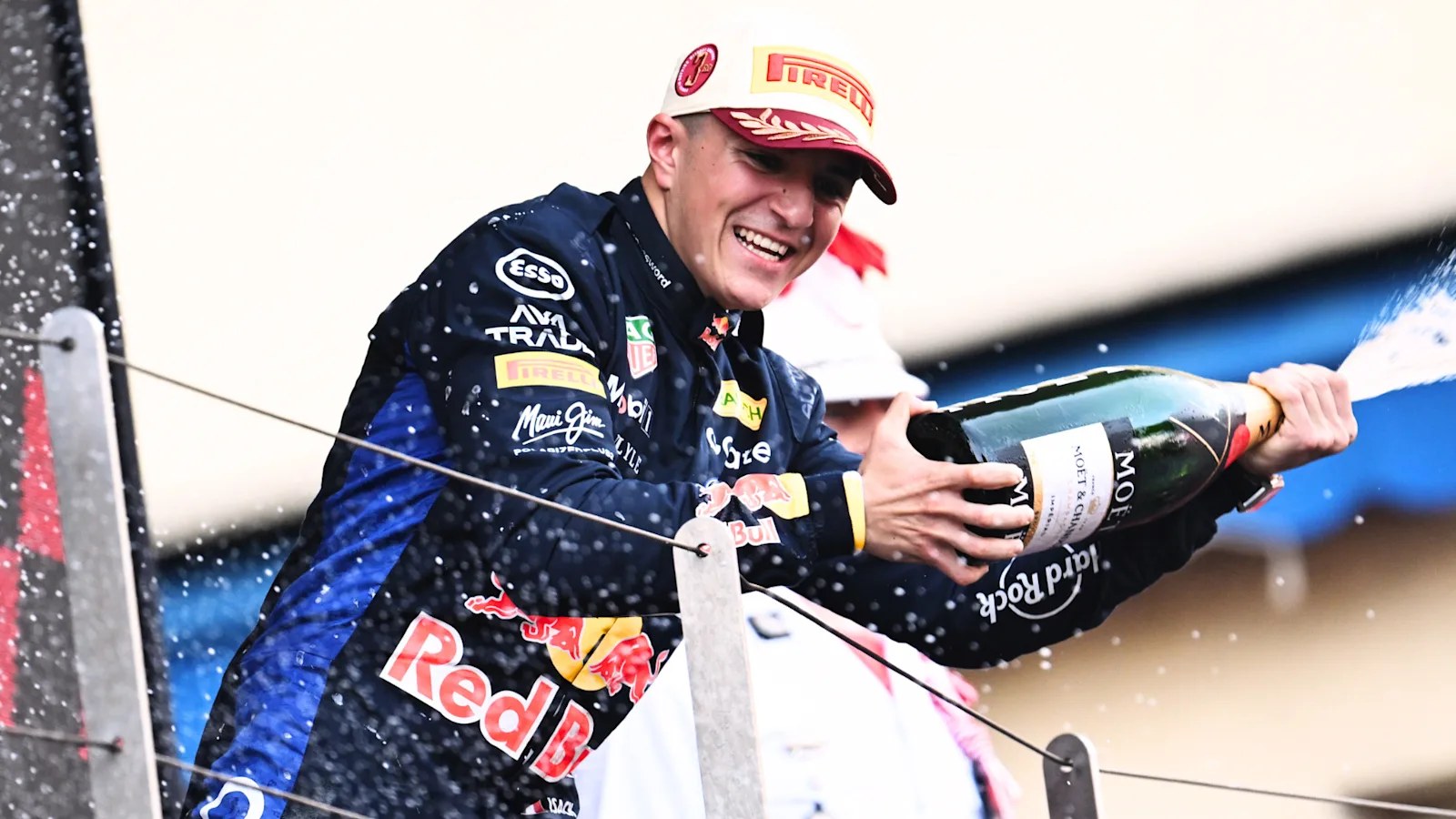
In its post-race review, Red Bull praised Hadjar’s return. Team principal Laurent Mekies felt the double podium confirmed the team’s progress and gave a positive assessment of the upgrade. Hadjar said gradual preparation had built his confidence, the car was competitive and racing Verstappen made the driving enjoyable.
INKA SPORTS analysis: what did the comeback podium establish?
Baku’s persuasive evidence comes from several successive phases: despite lost practice time, Hadjar qualified in the top four, completed 51 laps and competed at the front. Fourth on the grid was earned before any race incidents, providing single-lap support behind the podium result. Piastri’s mistake still helped determine the final position. Taken together, “pure pace” can be understood as Hadjar’s confidence that he had podium-level competitiveness, rather than a claim that the result was entirely unaffected by opponents’ mistakes.
Hadjar’s performance also added a second driver’s feedback on Red Bull’s new package. Both cars used the upgrade; he felt an improvement on returning from injury and then ran near the front in qualifying and the race. That evidence supports Verstappen’s second place and the team’s positive assessment. The FIA submission describes the new floor, diffuser and associated sidepods as intended to increase local load and maintain stable airflow. The available material does not separate the contributions of driver adaptation, set-up and the upgrade, so no independent lap-time gain can be assigned to an individual component.
The final stint defines the limits of this evidence. The official review noted that Hadjar gradually fell behind Verstappen while on mediums against his team-mate’s softs. Their different tyres and race conditions mean the 10.508-second finishing gap cannot directly measure whole-race pace under equal conditions. Completing a street-circuit Grand Prix established his ability to contest this particular race; his report of continued numbness also reminds the team to monitor physical load over consecutive events.
Conclusion
Hadjar’s third place brought three clear gains on his return: completing a full Grand Prix again, delivering qualifying performance close to the front, and adding a second driver’s race feedback on Red Bull’s improvement. The final third place still included a positional gain from an opponent’s mistake, while upgrade benefits and fitness across consecutive races require further evidence. Baku established a foundation for returning to front-running competition, rather than proving through one podium that every issue had been resolved.