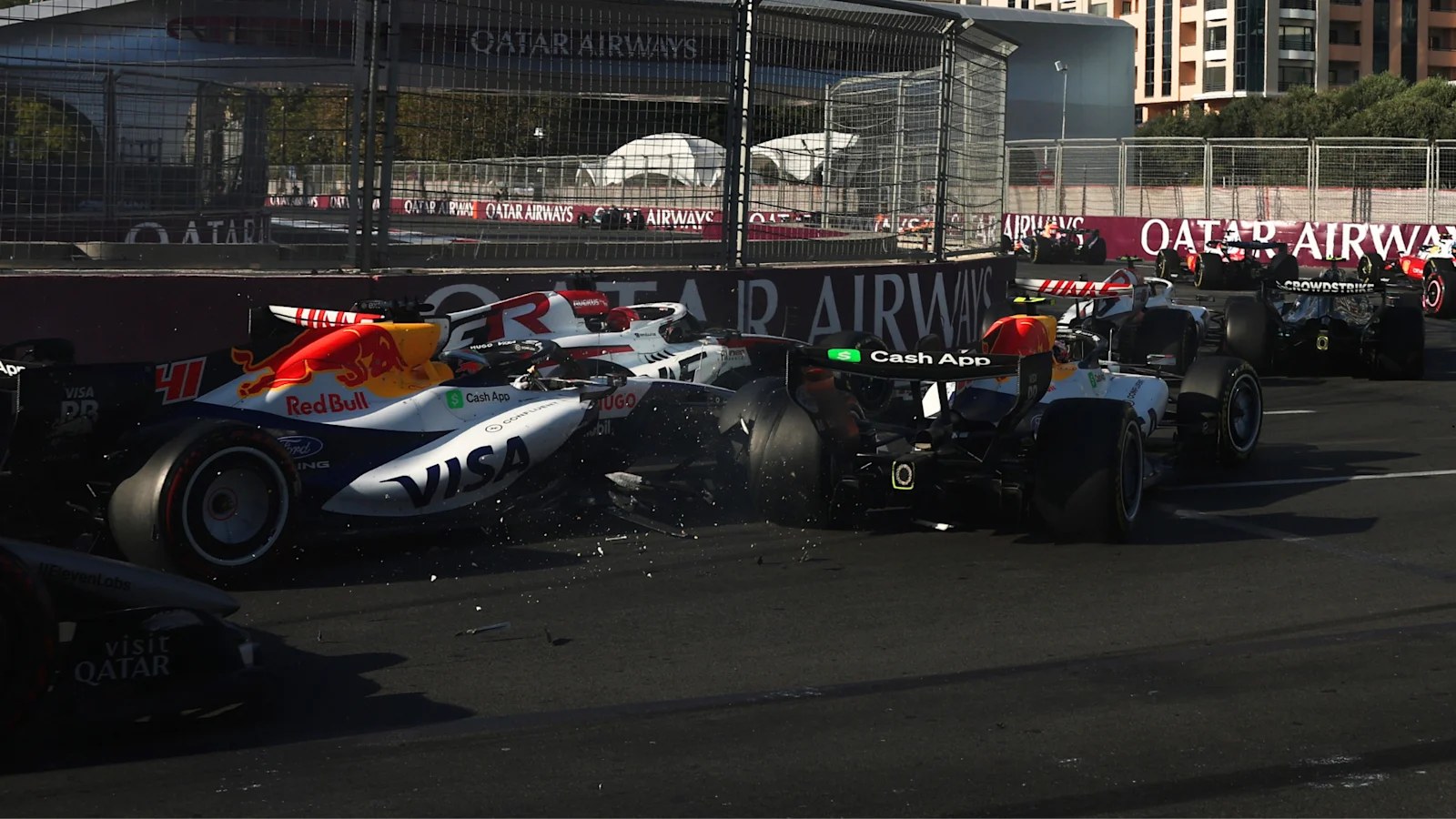
Different outcomes after contact at the restart
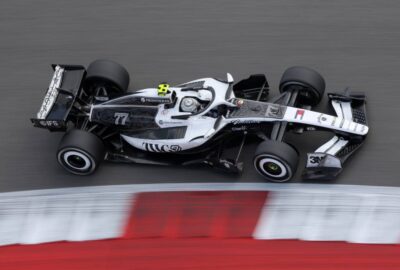
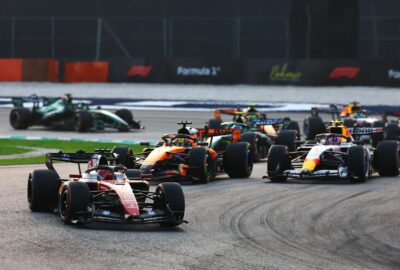
Racing Bulls’ team-mates collided at Turn 1 after a safety-car restart in the F1 Azerbaijan Grand Prix on 26 September. Arvid Lindblad made contact with Liam Lawson, who spun, sustained floor damage and finished 12th. Lindblad continued to seventh, earning six points, and apologised to his team-mate and the team afterwards.
Both drivers had been eliminated in Q2 and used the safety-car period to take fresh tyres, bringing them into contention for a double-points finish. F1’s official post-race review noted that both had previously been outside the points, with the accident ahead opening space in the top ten. Contact during that same restart removed Lawson’s opportunity to keep fighting for those positions. He said the impact came from the left and broke the floor, making further progress difficult in the damaged car.
What the drivers’ explanations and the sporting ruling establish
In an interview on F1’s official website, Lawson said he needed to review the footage and did not understand what gap his team-mate had been looking for. Lindblad described repeated acceleration and slowing in the pack before the actual restart, major changes of line approaching Turn 1 and limited options for where to place his car. He regretted the contact and the loss of a double-points opportunity, but the apology did not resolve their different interpretations of its cause.
FIA decision number 65 provides a fuller account of the surrounding field. The accident ahead involving Franco Colapinto, Pierre Gasly and Lando Norris, together with Colapinto locking his brakes, triggered braking reactions behind. Lindblad was in a three-wide situation with cars on both sides before contacting Lawson.
After reviewing race and onboard footage, the stewards considered the contact primarily the result of Lindblad’s limited space and the chain reaction from the accident ahead. No driver was predominantly responsible. They treated it as a typical Turn 1 incident after a restart and took no further action. The decision did not deny Lawson’s damage; it explained why no additional penalty was imposed.
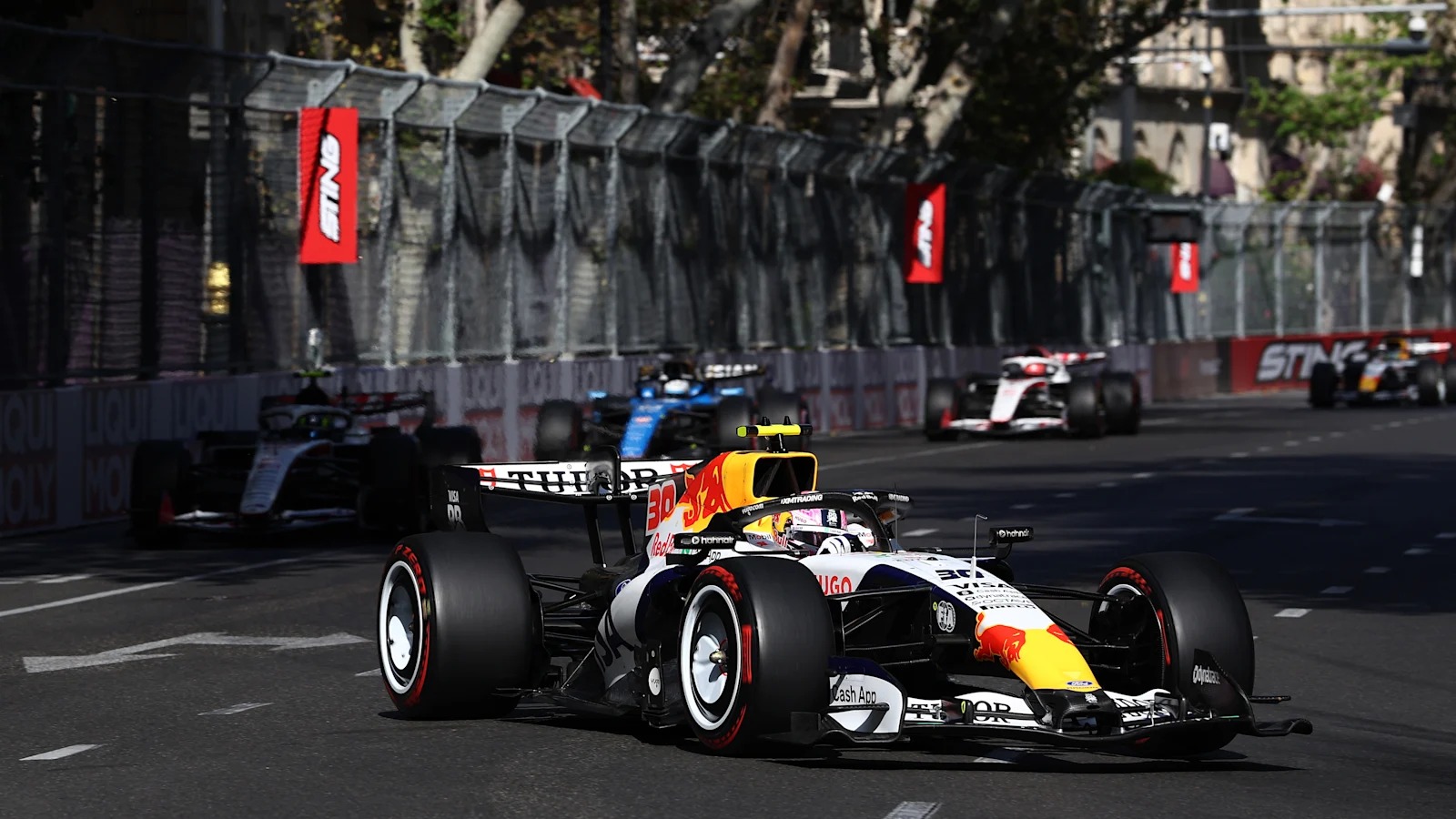
Seventh came from late-race battling, but pace concerns remain
Lindblad’s car escaped significant damage. He subsequently passed both Haas cars and beat Esteban Ocon to the line by 0.030 seconds for seventh. In the official post-race review, team principal Alan Permane praised the team’s conversion of the opportunity into six points while acknowledging an element of good fortune. The car performed better in the race than earlier, but competitiveness across the weekend remained unsatisfactory.
INKA SPORTS analysis: no further penalty, but a racing opportunity was still lost
The braking chain reaction identified by the stewards explains why viewing only Lindblad hitting his team-mate from the inside cannot fully establish responsibility. With sudden slowing ahead and limited space on both sides, the contact involved the relative movement of a whole group of cars. The team’s review should therefore include the gaps, lines and braking responses of its cars and those around them at the restart. Lawson’s lost points opportunity is a clear consequence. As for what alternative evasive action either driver could have taken, the available ruling identifies no option guaranteed to avoid contact.
After the same collision, Lawson finished with a damaged floor while Lindblad retained the ability to attack. The difference between 12th and seventh includes that crucial difference in damage and cannot directly compare their normal race pace. Lindblad then had to complete his passes on the Haas cars to turn the opened positions into six points. Opportunity arising and actually winning the subsequent contest were two stages of the result.
That is both the most valuable aspect of seventh for the team and the part requiring careful interpretation. On a weekend short of pace, Racing Bulls still scored through one car’s late performance, while both Alpines retired in a separate collision. But that relative gain depended on opponents dropping out and the competitive situation after the restart. The race improvement Permane described still needs testing in events without similar assistance from accidents. Whether both cars can enter the points fight earlier will determine whether converting this opportunity can become sustained competitiveness.
Conclusion
Racing Bulls left Baku with both points and losses: Lindblad completed his late-race charge, while contact and damage removed Lawson from points contention. The FIA ruling clarified the incident’s chain-reaction context, but the team still needs to review how both cars handled the crowded restart and why a weekend lacking speed improved during the race. Retaining the ability to exploit late opportunities while bringing both cars into points positions more consistently is the way to build on seventh.