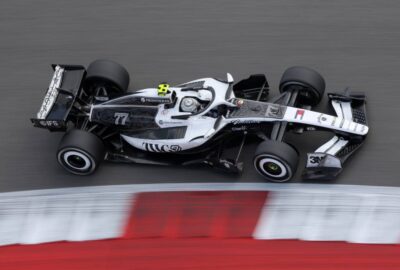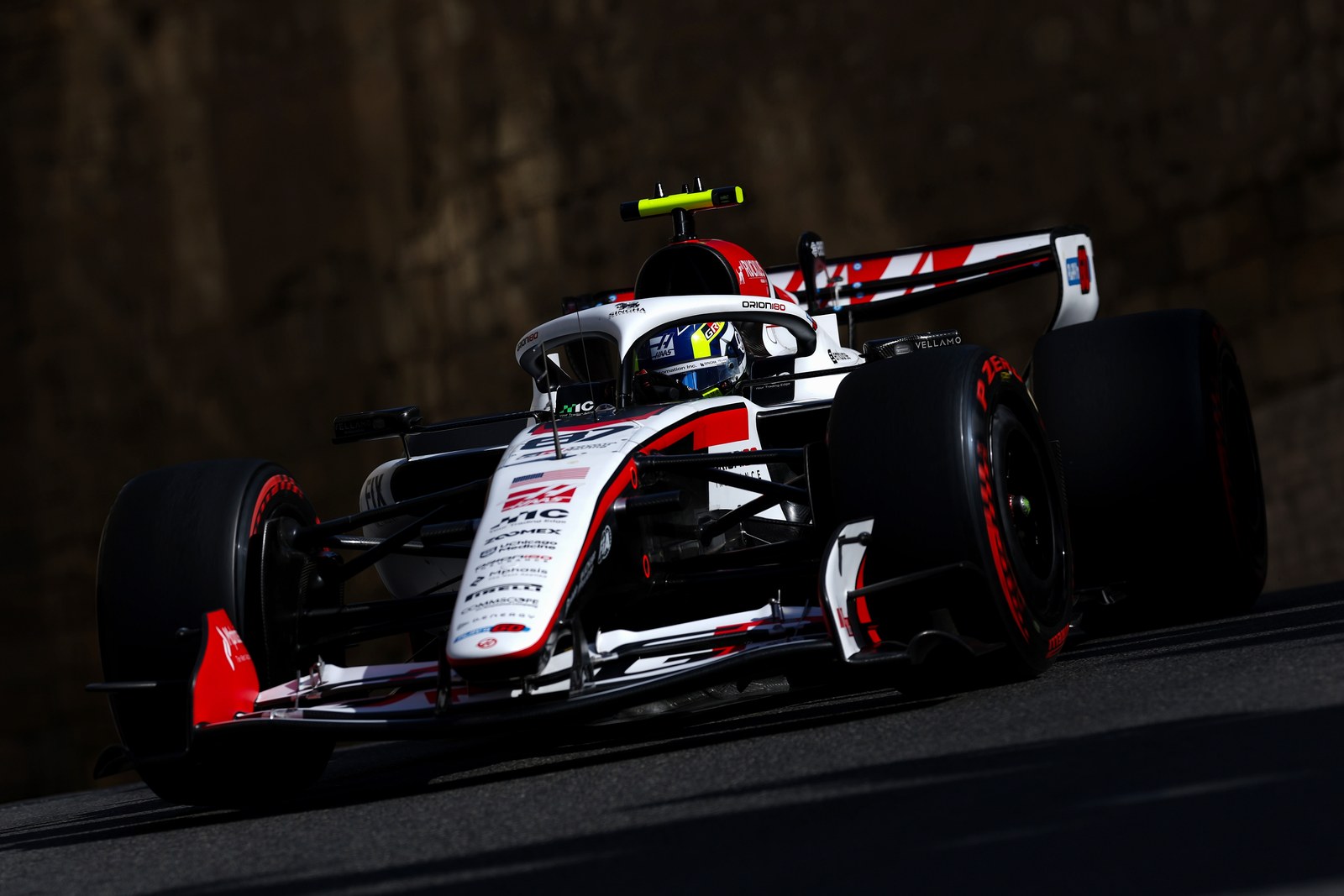
Haas secured its first double-points finish of the season at the Azerbaijan Grand Prix on 26 September: Esteban Ocon finished eighth and Oliver Bearman ninth, scoring four and two points respectively. The FIA’s constructors’ standings document for the event confirms Haas seventh on 27 points. Both cars reached the points after the restart chaos, then resisted late pressure to carry the opportunity to the finish.
Restarts change the order as both cars reach the points
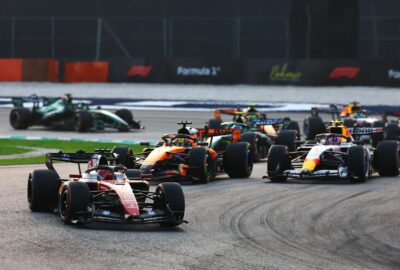
Haas’s official post-race report records Ocon starting 13th on soft tyres and being passed by the recovering Kimi Antonelli during the first stint. When Alexander Albon’s crash triggered a safety car, Ocon stopped for mediums on lap 30 and rejoined still 13th. After the accident ahead at the first restart, he rose to eighth, then gained seventh when Oscar Piastri went off.
Bearman started tenth on softs, initially lost places, then passed Albon and Liam Lawson while also being overtaken by Antonelli. He switched to mediums under the safety car, reached ninth after the restart melee and moved to eighth when Piastri fell back. Arvid Lindblad subsequently passed him, leaving Bearman ninth at the finish.
Better front-axle feedback, but straight-line pressure remained
Ocon said he struggled early on, but the front-axle response improved after the pit stop and he made better progress after the restarts. Bearman noted that both Haas cars used mediums late on while many surrounding opponents were on softs, making defence difficult. He regretted losing positions at the first restart but placed greater value on scoring alongside his team-mate.
Ocon held on until late but still lost seventh on the main straight. FIA final classification number 71 records Lindblad 31.159 seconds behind the winner and Ocon 31.189 seconds behind, a gap of 0.030 seconds at the line. Ocon felt he might have been cautious in his judgement under yellow flags, while explicitly acknowledging that his opponent was simply too fast on the straight.
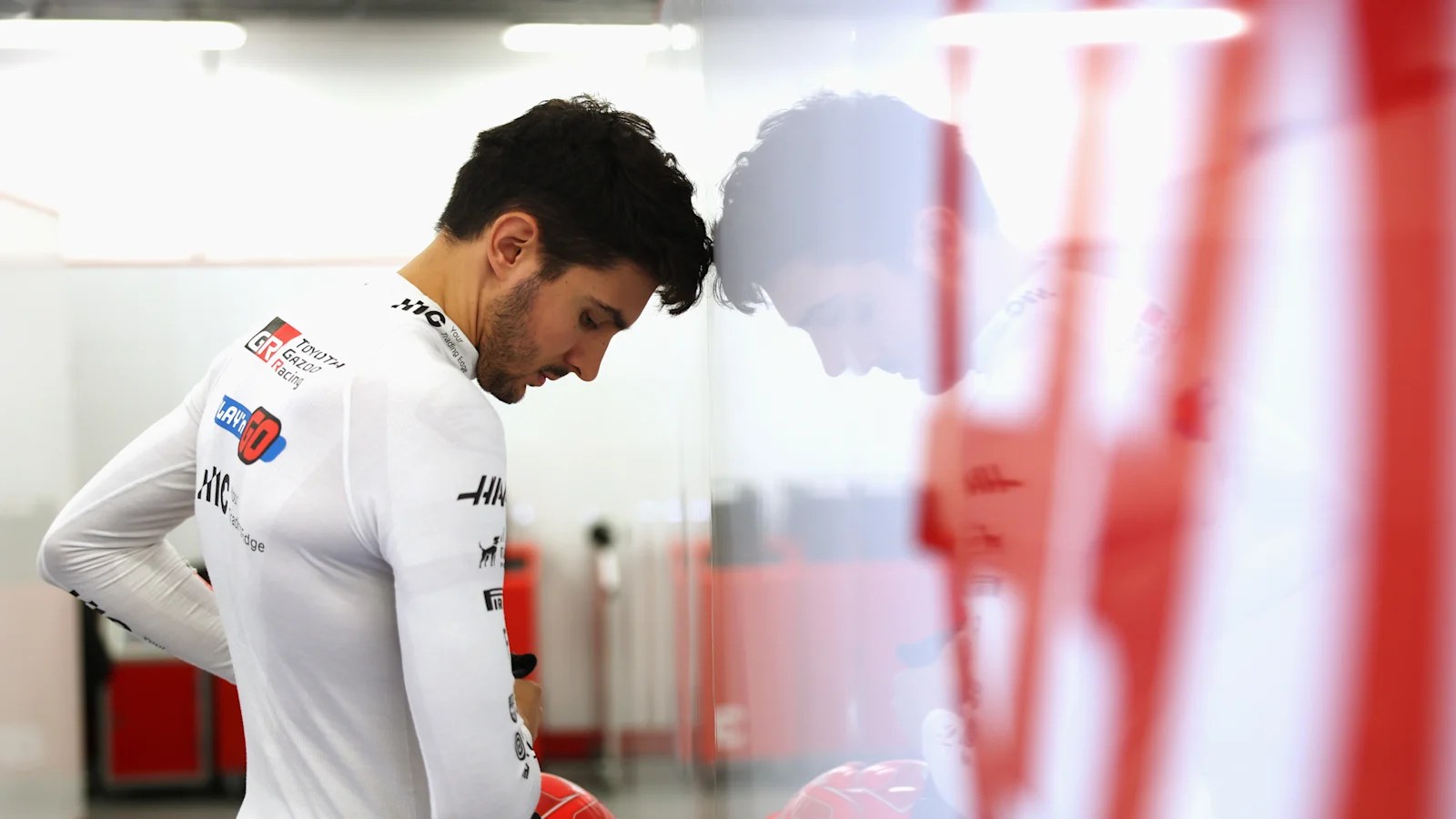
Komatsu credits accumulated execution improvements as points return
F1’s official post-race review noted that these were Haas’s first points since Monaco. Team principal Ayao Komatsu attributed the Baku result to pit-lane operations, strategy and tyre use. The team had continued improving race execution while the car lacked competitiveness, enabling it to seize the opportunity when competitiveness returned. That is the team principal’s assessment of the work; Ocon’s and Bearman’s finishes and points are the results actually delivered at this event.
INKA SPORTS analysis: changes in the field created opportunity; points still had to be protected
Ocon remained 13th after his stop, reached eighth after the first restart and gained seventh only when Piastri fell back. This shows that changes in the field ahead accounted for an important part of his recovery. Having gained those positions, Haas still had to complete the latter part of the race and resist the pursuit. Only both cars remaining in the top ten converted the changing situation into six points. Assessing the result requires showing both how the opportunity arose and how it was retained, rather than treating every gain as an overtake on pure speed.
Ocon’s praise for the improved front axle does not contradict being passed by Lindblad on the straight. One compares the car’s feel before and after the stop; the other compares its actual attacking and defensive performance against a rival. Bearman’s account of defending on mediums adds the late-race conditions. A 0.030-second gap shows the contest for seventh was very close, but cannot quantify the losses attributable to tyre choice or yellow-flag judgement. Ocon himself acknowledged the rival’s higher straight-line speed, so it cannot establish that more aggressive driving would have preserved the place.
The value of the accumulated execution improvements Komatsu stresses is that the team could bring both cars home in the points when the car and race situation created an opportunity. Assessing whether that scoring ability can continue also requires looking at whether Haas can reach the points battle earlier during normal racing. Here, Ocon was still 13th after changing tyres, while Bearman had to recover places lost at the start. The first double-points finish proves that this opportunity was converted; it does not alone prove sustained race pace sufficient to achieve the same positions regularly.
Conclusion
Baku ended Haas’s scoreless run and brought both cars into the top ten together for the first time this season. The restarts created positional opportunities, while improved driving feedback and late-race execution helped retain the points. Straight-line battles showed the pressure that remains when trying to progress further. The next test is whether Haas can challenge for points earlier in races less dependent on accidents ahead and continue executing with both cars.