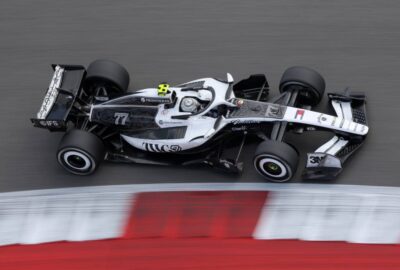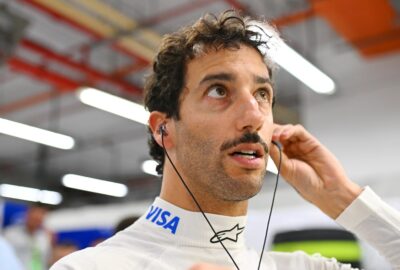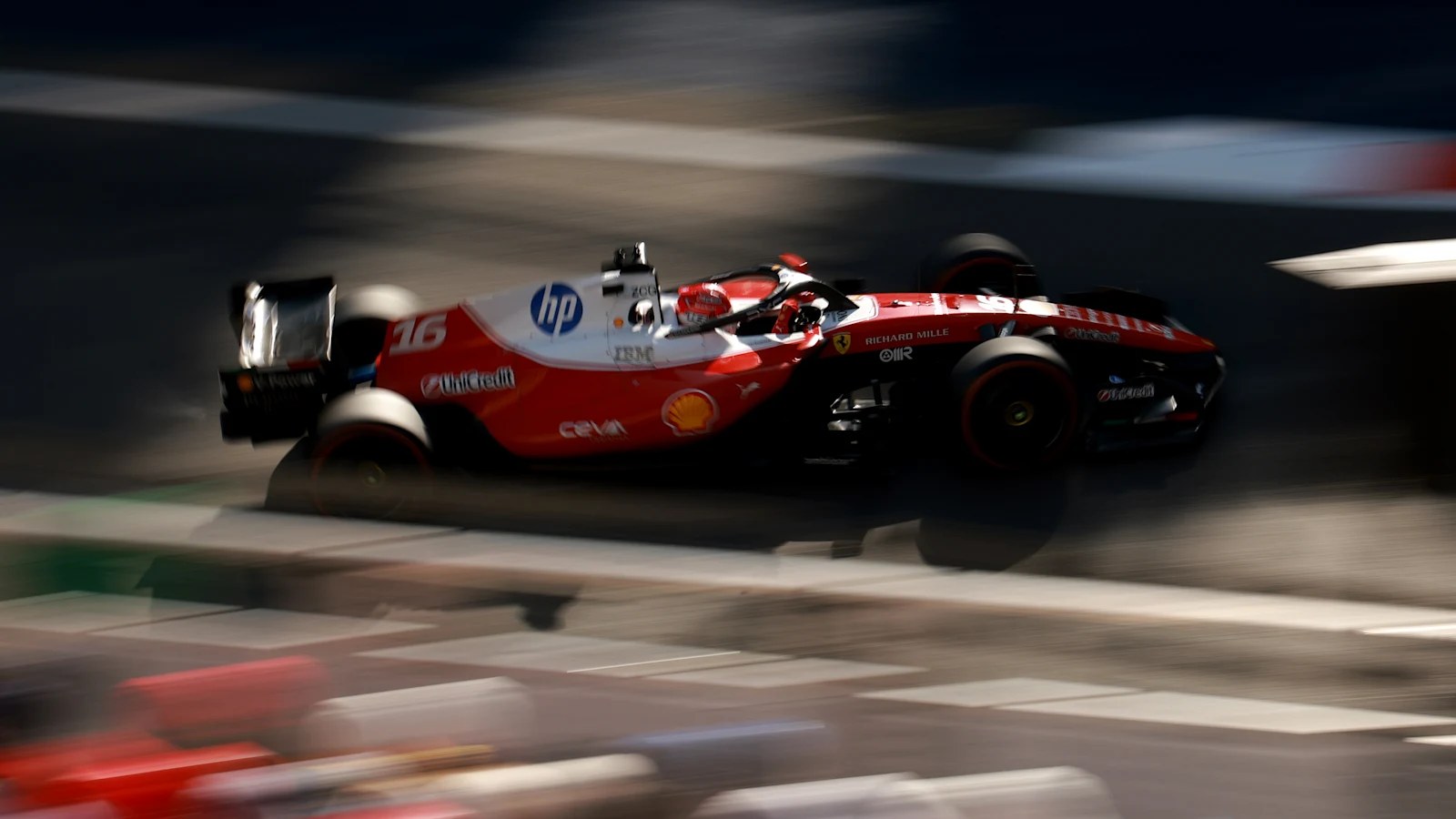
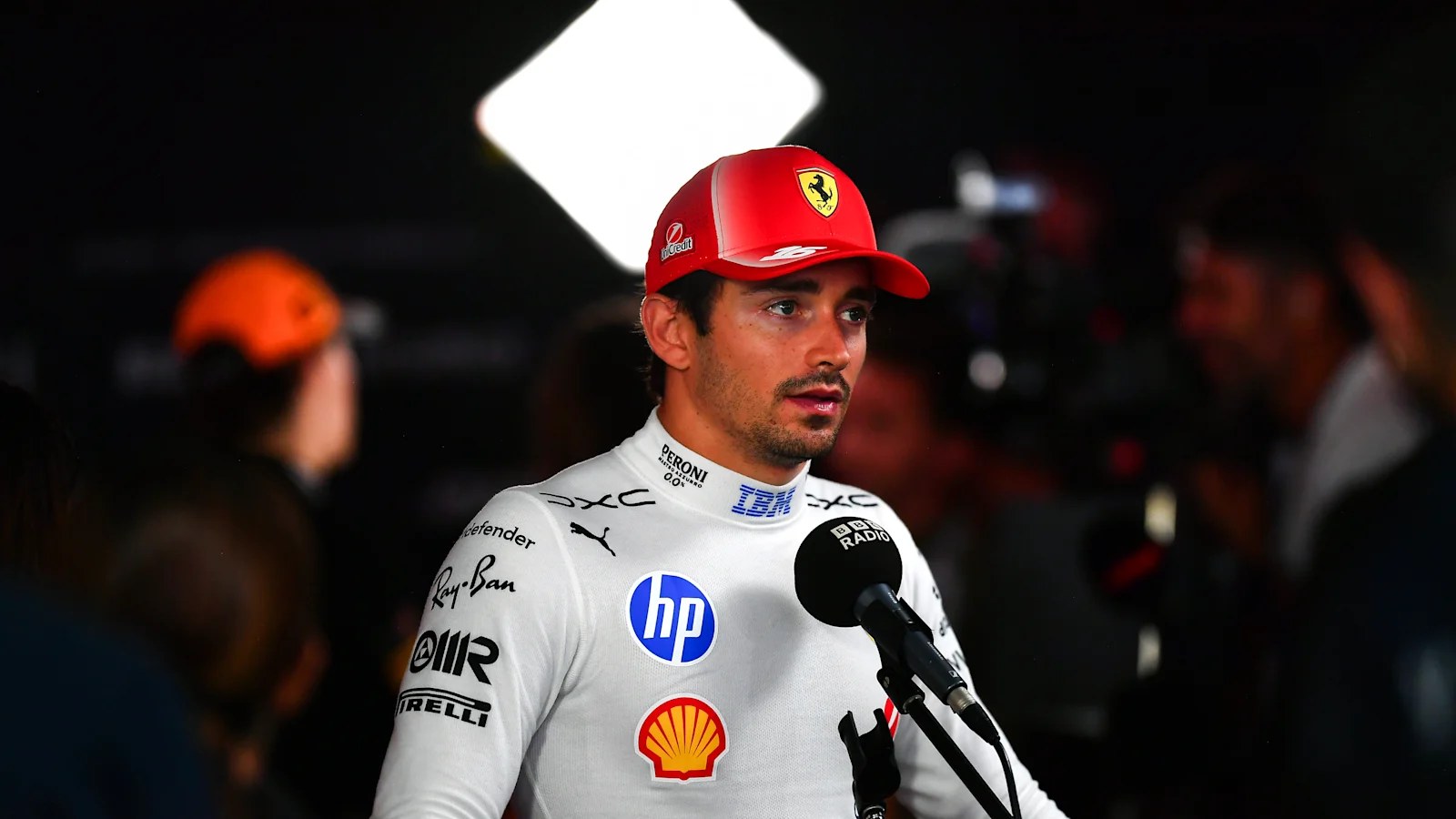
Charles Leclerc started on the front row in Baku and finished fourth in the Azerbaijan Grand Prix on 26 September. Afterwards, he urged Ferrari to use upgrades to close the gap to Mercedes, Red Bull and McLaren, saying the decline in relative competitiveness had lasted several races. Team-mate Lewis Hamilton described grip that repeatedly came and went during the event. Together, their feedback raises questions about both Ferrari’s development progress and how the current car’s performance can be accessed.
Second in qualifying: 0.837 seconds off pole, only 0.001 ahead of third
FIA final qualifying classification number 51 records George Russell’s pole lap at 1:42.526 and Leclerc’s at 1:43.363, a gap of 0.837 seconds. Third-placed Oscar Piastri set 1:43.364, only 0.001 seconds slower than Leclerc.
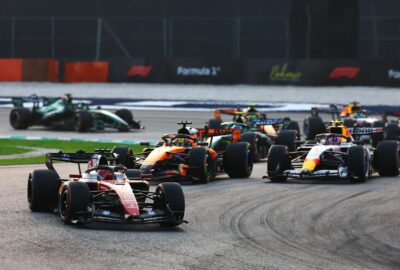
Ferrari started Leclerc on soft tyres in the hope of challenging for the lead at Turn 1. Instead, Piastri passed him on the opening lap and both Red Bulls subsequently overtook during the first stint. After Piastri fell out of the points late on, Leclerc finished fourth and Hamilton sixth. The FIA’s final result awarded them 12 and eight points respectively, giving Ferrari 20 from the race.
Leclerc on the development gap; Hamilton on fluctuating grip
In an official F1 post-race interview, Leclerc felt Mercedes and Red Bull were clearly faster and McLaren slightly stronger than Ferrari. He said the team needed to respond to several races of relative decline. Development projects were already under way, but he did not know what rivals were preparing at the same time. The interview specified neither the contents nor introduction date of the next parts. In separate feedback published by the team, he said he could maintain consistent lap times but still lacked the speed to challenge for the podium.
Hamilton started and finished sixth, passing Lando Norris during the race before later being overtaken by Kimi Antonelli. He said the car struggled throughout the weekend to keep the tyres consistently in their ideal condition, with grip improving briefly and then falling away. In the team’s post-race feedback, he also called for a review of energy management.
This event’s upgrade declarations: existing packages and new parts
FIA car-update submission number 11 shows that neither Ferrari nor Mercedes submitted updates for the event. Red Bull declared changes including the floor, diffuser and sidepods, with aims such as increasing local downforce and maintaining stable airflow. McLaren declared changes to sidepod inlets, the engine cover, floor edge and diffuser, among others. The document describes component changes and intended effects, not measured lap-time gains.
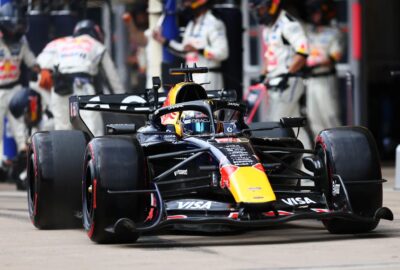
Red Bull finished second and third with Max Verstappen and Isack Hadjar, both ahead of Ferrari. Its team principal considered the upgrade effective in his post-race feedback, and Hadjar praised the car’s competitiveness throughout the weekend. Verstappen explained that the team discovered a power-unit problem after qualifying and replaced the unit. New parts, the existing package’s performance and problem resolution all form part of the context needed to assess Red Bull’s progress at this event.
INKA SPORTS analysis: Ferrari needs to close a sustained race-pace gap
A front-row start placed Leclerc in a favourable position but can obscure two different speed gaps: he was almost level with Piastri yet 0.837 seconds behind Russell. Losing a place to the McLaren and then being passed by both Red Bulls in the race further shows that second in qualifying did not translate into sustained speed close to the leader. Fourth also reflects the position gained when Piastri dropped out of the points late on. The finishing order alone cannot measure Ferrari’s distance from the top three.
Red Bull’s double podium and Hadjar’s positive feedback give its progress support from both drivers’ performances, but the results cannot separate how much speed each upgrade contributed. Meanwhile, Russell won for Mercedes despite the team declaring no new parts for the event, showing that whether a team introduced an update that week cannot explain the outcome alone. Ferrari needs to improve its package’s relative level. With rivals also developing, making progress and actually closing the gap are two outcomes that must be tested separately.
The Ferrari drivers’ descriptions also suggest different improvement targets: Leclerc could sustain lap times that were not fast enough, while Hamilton struggled to obtain usable grip consistently. Assessing later parts requires examining both sustained speed relative to rivals and whether that performance is consistently accessible. A faster qualifying lap cannot alone establish whether Hamilton’s fluctuating grip has improved. There is currently no basis to attribute both drivers’ difficulties to one definite tyre or aerodynamic fault.
Conclusion
Ferrari’s Baku task is to increase sustained race speed against the front-running opposition and allow drivers to extract that performance more consistently. The arrival of new parts is only the start of the test. Whether they reduce the relative gap and improve continuity of grip in the race will determine whether Leclerc’s demand for upgrades has been addressed.