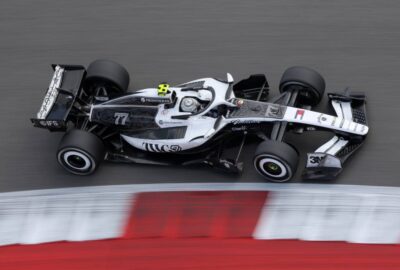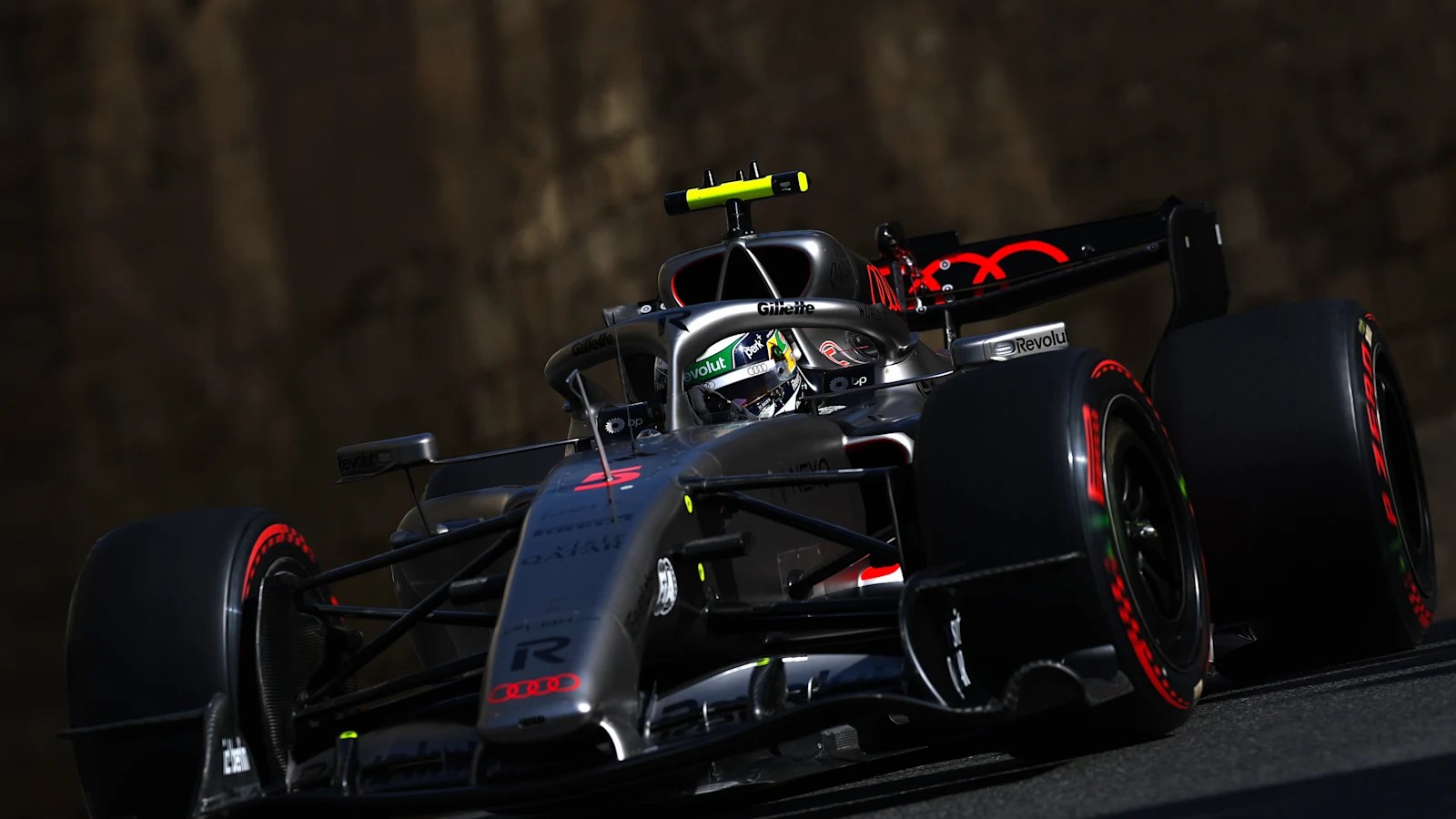
Gabriel Bortoleto crossed the line 13th in the Azerbaijan Grand Prix on 26 September, but received a ten-second post-race penalty for overtaking Sergio Pérez under yellow flags and was classified 15th. The FIA acknowledged confusion in the safety-car signalling but still imposed a time penalty. The key question was whether the yellow flag the driver saw remained valid before the safety car had been deployed.
Conflicting signals between Turns 6 and 7
The incident occurred between Turns 6 and 7 on the first lap after the initial safety-car restart. The collision between the Alpines, which also caught Lando Norris, had just happened ahead at Turn 1. According to FIA decision number 68, officials in that area displayed a physical “SC” board and waved yellow flags, although race control had not yet deployed the safety car.
Bortoleto told the stewards he initially reacted to both signals, then saw no corresponding electronic indication or safety-car signal on his steering wheel. The team also told him the safety car had not been deployed. He interpreted the yellow flag as part of the same safety-car instruction, so believed that confirmation the safety car was not active meant the yellow flag no longer applied. He then overtook Pérez.
The stewards accepted that the conflicting information made the decision substantially harder and confirmed that an offence of overtaking under safety-car conditions could not apply at that point. However, Bortoleto acknowledged seeing the yellow flag. The ruling held that a waved yellow flag is an independent instruction and cannot be disregarded based on the driver’s interpretation of why it was shown. The standard ten-second penalty for overtaking under a single yellow was therefore applied.
The final order and Audi’s position at the edge of the points
FIA final classification number 71 incorporates the ten seconds, listing Oscar Piastri, Pérez and Bortoleto 13th, 14th and 15th respectively. Bortoleto was outside the points both before and after the penalty. Audi’s other driver, Nico Hülkenberg, finished 11th and also failed to score.
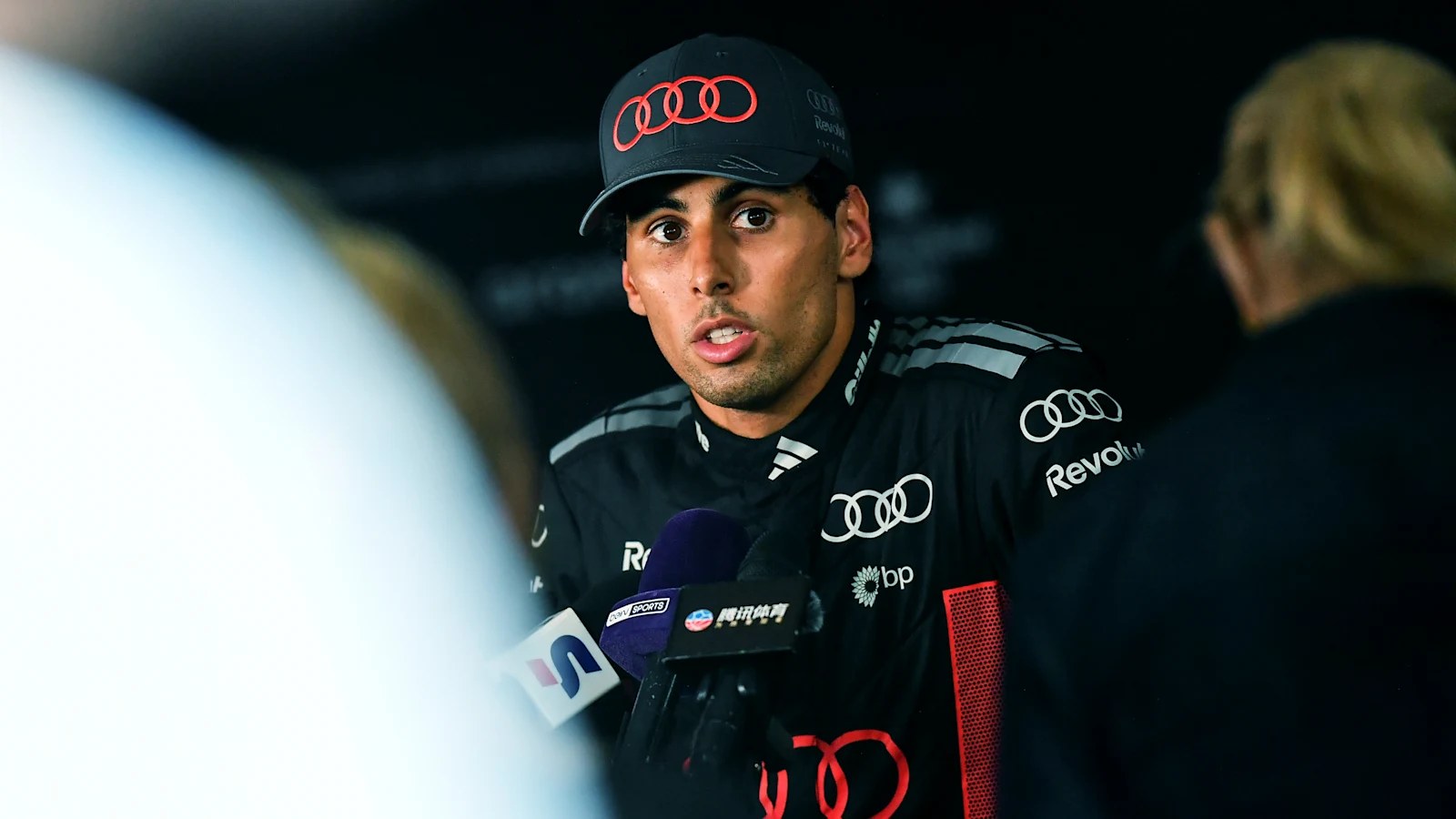
Hülkenberg had run tenth late in the race before Carlos Sainz passed him. In post-race feedback published by F1, he said battling cars ahead cost him time and gave Sainz a tow. The Williams was fast on the straight and he struggled to defend. That contest directly determined whether Audi could bring home a point.
Bortoleto’s assessment of the car had two sides: the new package felt better in the middle sector and race pace had improved compared with Thursday and Friday, but straight-line speed was still lacking. Both drivers mentioned that deficit, echoing Hülkenberg’s late defensive difficulty.
INKA SPORTS analysis: confusing signals and insufficient speed caused different losses
The ruling separates two judgements. The team’s confirmation that the safety car had not been deployed answered whether the whole circuit was under safety-car conditions. It did not answer whether the local yellow between Turns 6 and 7 had ceased to apply. By treating both signals as a single instruction, Bortoleto stopped complying with the second when the first was ruled out. Clarifying the erroneous SC board resolved the safety-car-status issue, but did not remove the fact that he overtook after seeing a yellow flag.
Similarly, the ten-second penalty explains why Bortoleto was reclassified 15th, but not why Audi scored no points: he had already crossed the line outside the top ten. Hülkenberg was the driver actually on the points boundary. Together with both drivers’ straight-line feedback, this suggests the improved feeling from the new package in the middle sector had not addressed Baku’s long-straight attacking and defensive requirements. A weekend can contain better handling in one area, failure to defend a crucial position and a post-race penalty; the three should not be reduced to a single cause.
Conclusion
This Baku case shows that clarification of safety-car information does not replace compliance with an independent yellow-flag instruction. Audi also needs to evaluate the race through different evidence: the penalty caused an additional loss of positions, Hülkenberg’s battle with Sainz exposed difficulty defending a points place, and Bortoleto’s positive middle-sector feedback remained limited by the straight-line weakness. These are the specific issues established by the event; they do not yet prove the overall gain from the package or its ability to score at the next round.