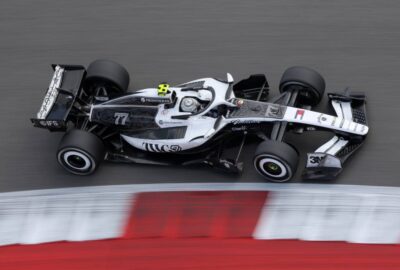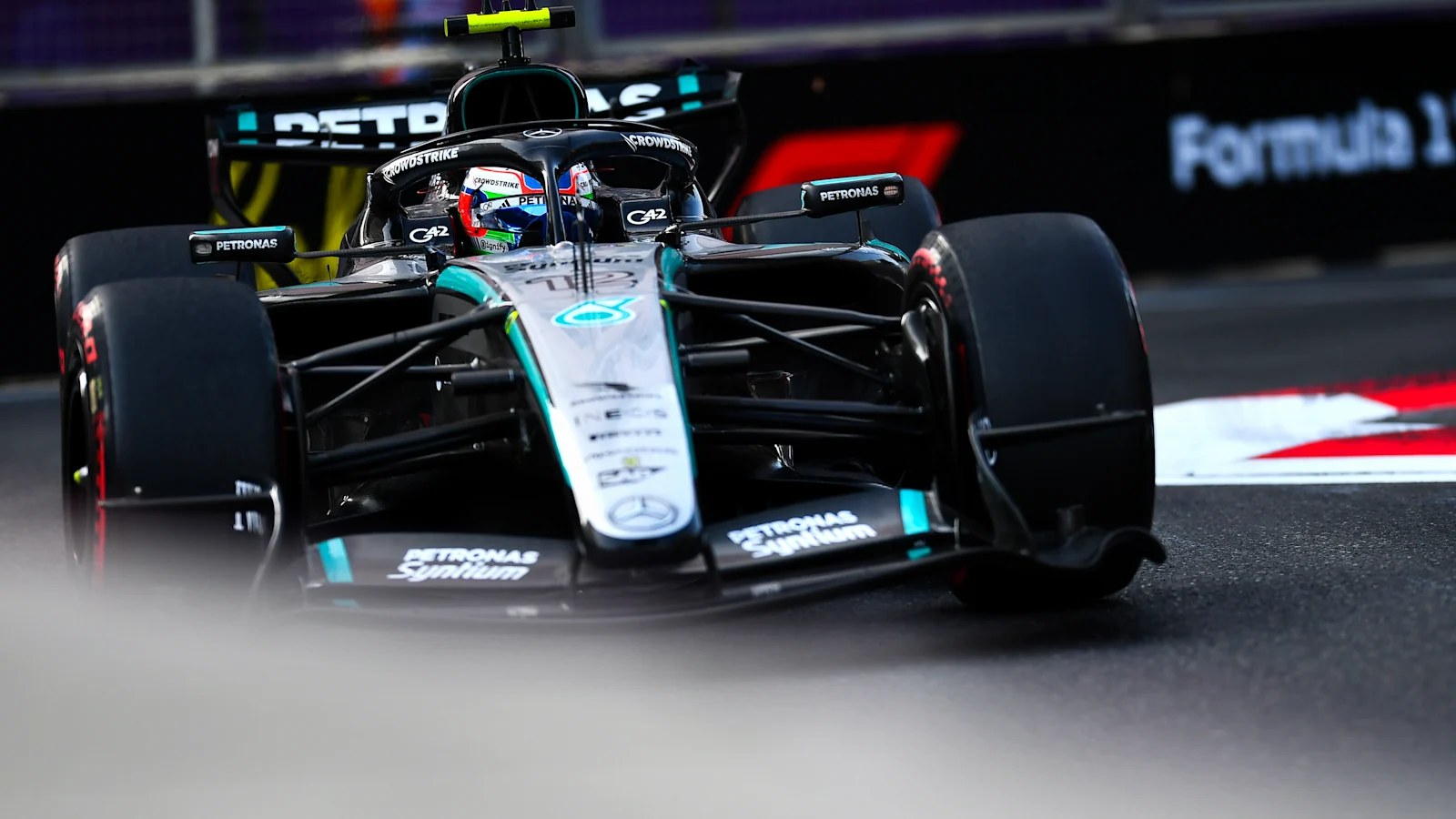
Kimi Antonelli started 16th in the Azerbaijan Grand Prix on 26 September and recovered to fifth, yet still called Baku his toughest weekend of the season so far. In an official F1 interview, he explained that the race was mainly about limiting the damage. Low confidence after his qualifying mistake, unremarkable race pace and floor damage from contact at the safety-car restart all constrained the recovery.
Limited preparation followed by a qualifying mistake
Antonelli’s difficulties began in practice, when technical problems affected his running, followed by a crash in Q1. Although his earlier lap time officially took him into Q2, the accident prevented him from continuing qualifying and he ultimately started 16th. Meanwhile, George Russell took pole. Mercedes’ post-race review specifically noted Antonelli’s limited running throughout the weekend, a reality he had to work from in the race.
In his post-race interview, Antonelli said he had felt a step behind where he should have been, particularly with confidence low after the qualifying error. He also reflected on his approach to the weekend and hoped to recover his usual level in the following races in Malaysia and Singapore.
The safety car created recovery opportunities; contact imposed another limitation
The team’s review said Antonelli did not immediately progress at the start, then gradually reached the top ten. The safety car bunching the field also helped his recovery. At the restart, he made contact with Oliver Bearman, after which Antonelli reported substantial floor damage. Although he avoided the larger crash ahead, he still had to complete the remaining race in a damaged car.
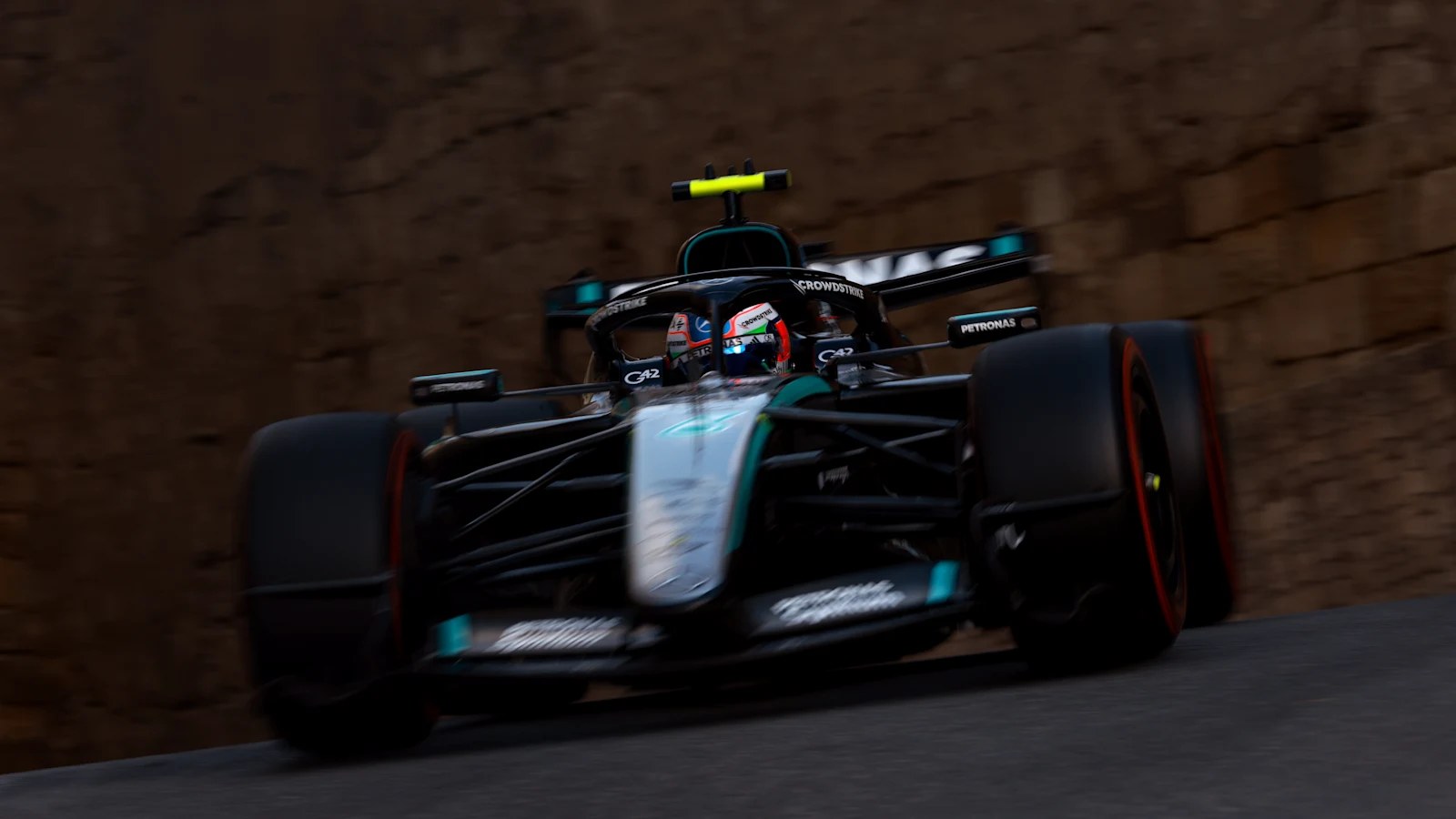
Late in the race, Antonelli overtook Lewis Hamilton and closed on Charles Leclerc but could not pass. FIA final classification number 71 records Leclerc fourth, 14.136 seconds behind the winner, and Antonelli fifth, 14.512 seconds behind, a finish-line gap of 0.376 seconds.
Ten points recovered, but his team-mate still gains 15
Fifth earned Antonelli ten points, while Russell took 25 for winning from pole. The 15-point difference reduced Antonelli’s championship lead over his team-mate from 81 before the race to 66. He retained first place in the standings, but the recovery did not remove the cost of his title rival winning.
In another post-race comment published by the team, Antonelli said he had taken no unnecessary risks. Progress was difficult in a train of cars using Overtake Mode, so he remained patient and sought positions when opportunities arose. Considering his starting position, he felt fifth was a result he had to accept, with the day’s task being to bring home as many points as possible.
INKA SPORTS analysis: why gaining 11 places was still damage limitation
The safety car compressed gaps that would otherwise have needed to be reduced lap by lap, creating opportunities for Antonelli to contest positions again. Patience, avoidance of the larger crash and the pass on Hamilton converted opportunities into actual gains. Advancing 11 places therefore does not contradict his assessment that his pace was weak: the former measures recovery from the start, while the latter concerns his driving state and ability to push forward. Recovering with damage also does not erase the cost already incurred during preparation and qualifying.
Russell’s pole-to-win performance showed Mercedes had winning potential in Baku, but cannot quantify how much speed Antonelli lost with damage. Their differences should be assessed in terms of car potential, weekend preparation and individual execution. Antonelli needs to regain normal preparation and confidence going into qualifying and the race so that he can start from a more favourable position. Another safety car alone cannot reliably reproduce this recovery.
Conclusion
Antonelli achieved effective damage limitation in Baku, bringing home fifth under constrained conditions. The problems in practice, qualifying and restart contact still warrant review. Assessing whether he regains his level requires looking at uninterrupted practice running, conversion of car speed in qualifying and sustained progress in the race, rather than only the number of places recovered at the end. A team capable of winning and a driver failing to extract that potential over one weekend can coexist.