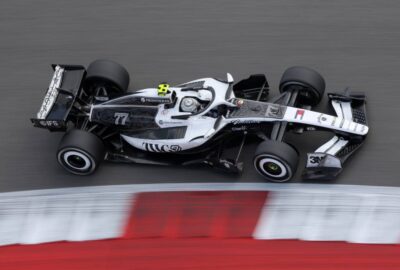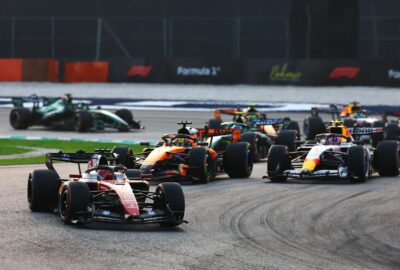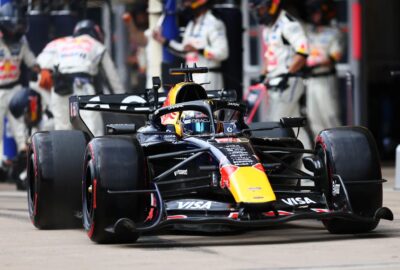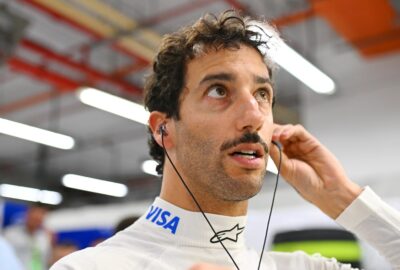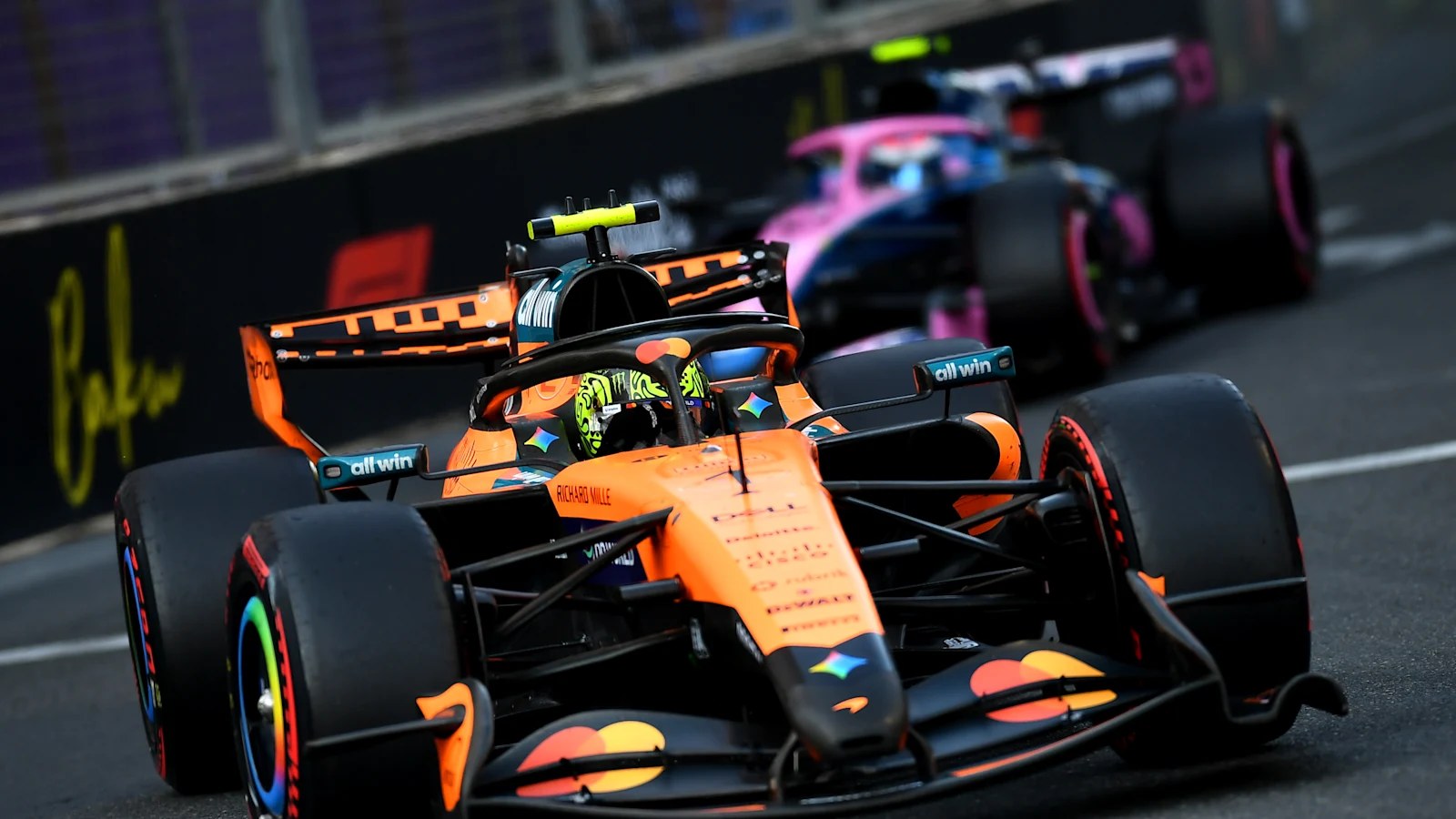
Both McLarens failed to score at the 2026 Azerbaijan Grand Prix, the team’s third scoreless Grand Prix of the season after China and Canada. Norris retired after being caught in the collision between the Alpines. Piastri had been fighting for a podium but fell outside the points after locking up at Turn 1. In an official F1 interview, team principal Andrea Stella said a straight-line speed deficit left both drivers defending for prolonged periods.
How both cars lost their points: collision retirement and a costly lock-up
According to McLaren’s official post-race report, Norris started on medium tyres and moved up to fourth at the start before being passed by Hadjar, Verstappen and Hamilton. The team felt the mediums were weaker than the softs early on, which, combined with the straight-line deficit, made it difficult to hold position.
Late in the opening stint, Norris locked up at Turn 1 and flat-spotted his tyres. He stopped for softs on lap 30 and rejoined ninth. At the restart after the first safety car, he tried to regain positions on the outside but was caught by the collision between Colapinto and Gasly on the inside. His car hit the wall and his race ended. The switch to better-performing softs had offered a chance to recover points, but the collision ended that counterattack.
Piastri was more competitive early on. Starting on softs, he moved into second and built a gap through the castle section to offset the Red Bulls closing along the long straight. The team changed his tyres under the safety car while retaining a place near the front.
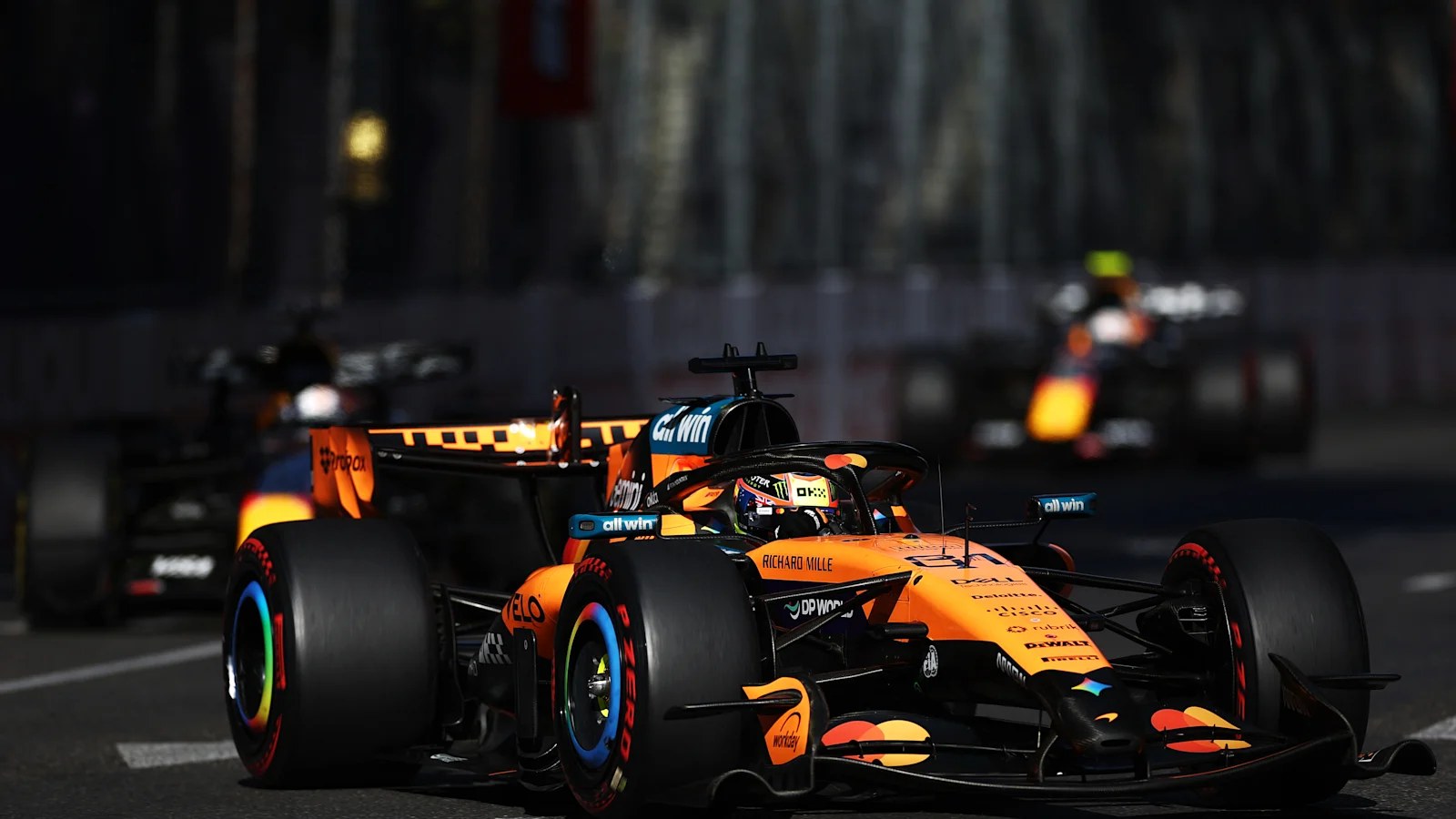
After switching to mediums, Piastri struggled to warm them at the restart and was passed by Verstappen. Following the second safety car, he locked up at Turn 1 while defending against Hadjar, went into the run-off area and fell behind the compressed field. Vibrations from flat-spotted tyres and the need to manage the brakes limited his recovery. The official F1 results list him 13th.
The straight-line weakness: drag, gear ratios and power use in the race
Stella identified three areas to examine: aerodynamic drag, whether the gear ratios suited such a high-speed circuit, and how the power unit was used. He said comparison with Mercedes data showed McLaren’s race power use was not yet optimised. Extracting substantial power-unit performance in qualifying did not mean it could be sustained during the race.
Norris faced an additional difficulty. The fuel-injection issue seen in qualifying recurred intermittently in the race, with Piastri’s car occasionally experiencing a similar problem; Stella made it a priority to address. He also referred to Norris’s power-unit energy-deployment difficulties and driving mistakes. Once those brought a following car within attacking range, McLaren’s straight-line weakness made defence harder still.
Positive low-speed upgrade feedback as development focus moves to 2027
The Baku upgrade targeted low-speed corner performance. Stella said the data showed no problem with the new components. Some parts might have been lost in the crashes, but more were coming. He also confirmed that development resources were now focused on the 2027 car. Future parts arriving for the MCL40 stemmed from work approved several weeks earlier, so the current car would still receive the results of that earlier development.
INKA SPORTS analysis: why the gap built in corners did not sustain the defence
Piastri’s opening stint offers a specific answer: with a straight-line weakness, he needed to pull clear through the castle section to offset the following cars’ gains on the long straight. The safety car compressed the field and erased that earlier gap at the restart. Difficulty warming the mediums then changed his defensive conditions. The second safety car also bunched the cars behind, so one excursion into the run-off area cost several positions at once.
That explains why positive feedback on the low-speed upgrade could coexist with an obvious weakness. The upgrade improved the ability to build a gap in corners; the drag, gearing and race power use Stella wanted examined determine how much of that gap can be retained on the straights. Norris’s earlier mistakes brought following cars closer, while the injection issue recurred intermittently. The team needs both better straight-line performance and more consistent use of the car to avoid repeatedly being forced onto the defensive.
Conclusion
McLaren had front-running competitiveness in Baku and an opportunity to recover points after switching to softs. Those chances ended respectively with a lock-up and a multi-car collision. The review must focus on carrying cornering gains through tyre changes, restarts and attacks or defence on the long straights. The low-speed upgrade and power-use problems each require attention to their own part of that process.