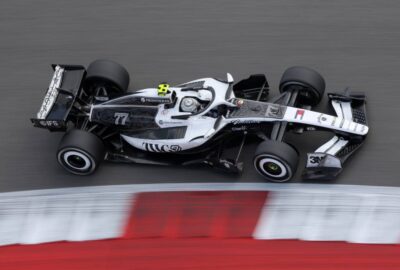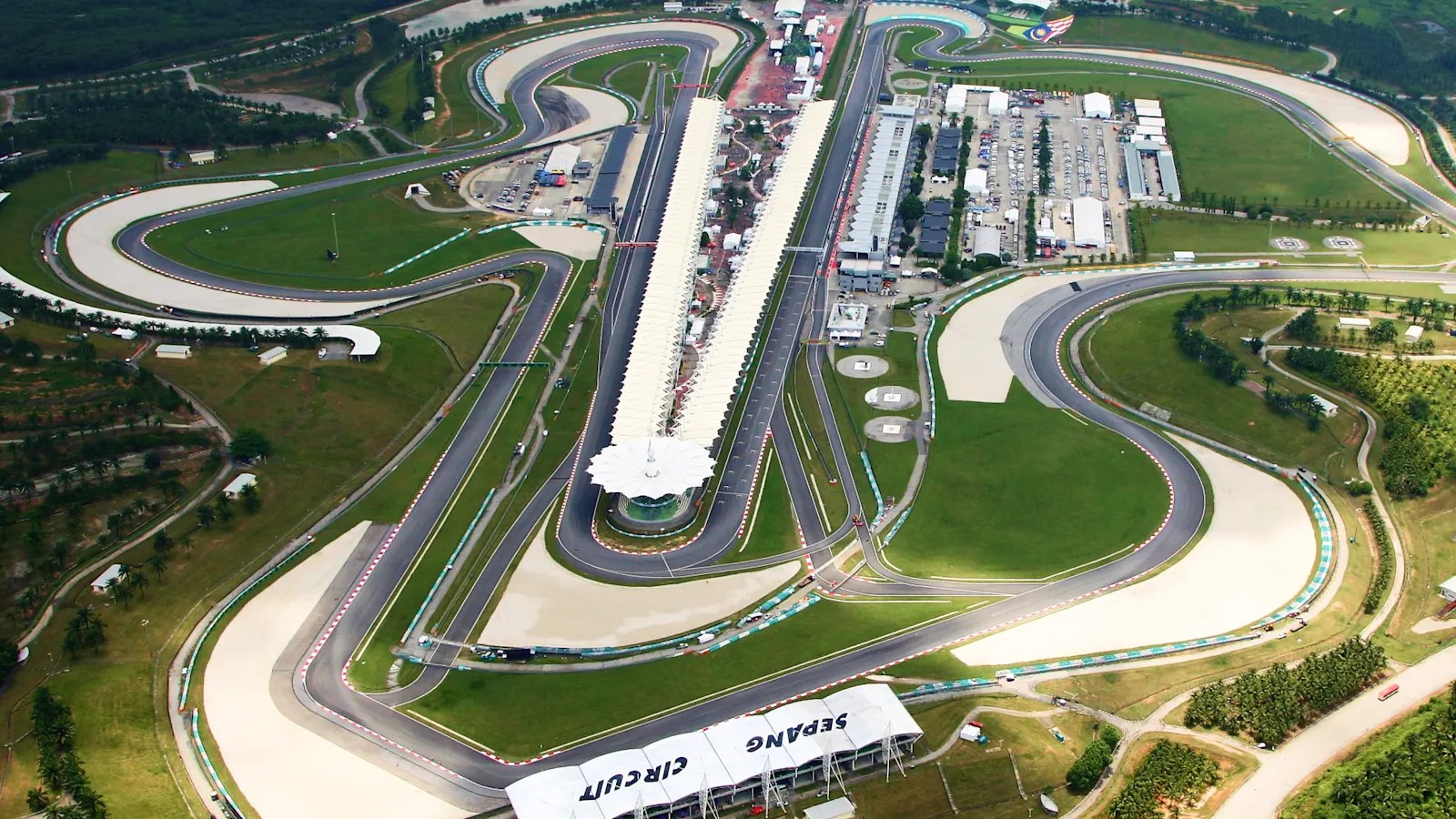
Round 16 of the 2026 F1 season retains the name “Bahrain Grand Prix”, but its venue is Sepang International Circuit in Malaysia, with the event scheduled for 2–4 October. Haas’s pre-event report of 27 September explains that the race originally planned for Sakhir could not take place because of regional conflict, after which a one-off temporary move to Sepang was agreed. The round follows Azerbaijan and precedes Singapore.
Circuit and weather: heat and afternoon rain bring different pressures
This is Sepang’s first F1 Grand Prix since 2017. Official F1 event information lists a circuit length of 5.543 km and a planned race distance of 56 laps. Two long straights connect high- and low-speed corners. Haas notes that the circuit’s high-energy characteristics have historically created high tyre wear, while its width offers room for side-by-side racing.
In the preview, Haas head of car engineering Hoagy Nidd identified high track and ambient temperatures as priorities, particularly warning of the need to manage brake temperatures early in the race. He also noted that heavy afternoon rain is common locally and could arrive close to qualifying.
Baku’s reward and driver experience: what can carry over to Sepang?
Haas has just secured its first double-points finish of the season in Baku, with Esteban Ocon eighth and Oliver Bearman ninth. F1’s official post-race review noted that the collision between the Alpines and Norris’s retirement helped Haas gain positions, but both drivers then resisted pressure to finish ahead of Sainz and Hülkenberg.
Ocon said he struggled early in the race but improved his pace after addressing the front end at the pit stop. Bearman pointed out that both Haas cars were on medium tyres near the finish while many surrounding cars used softs, making defence difficult. Team principal Ayao Komatsu credited the result to sustained improvements in pit stops, strategy and tyre operations: when the car regained competitiveness, the team was also ready to execute.
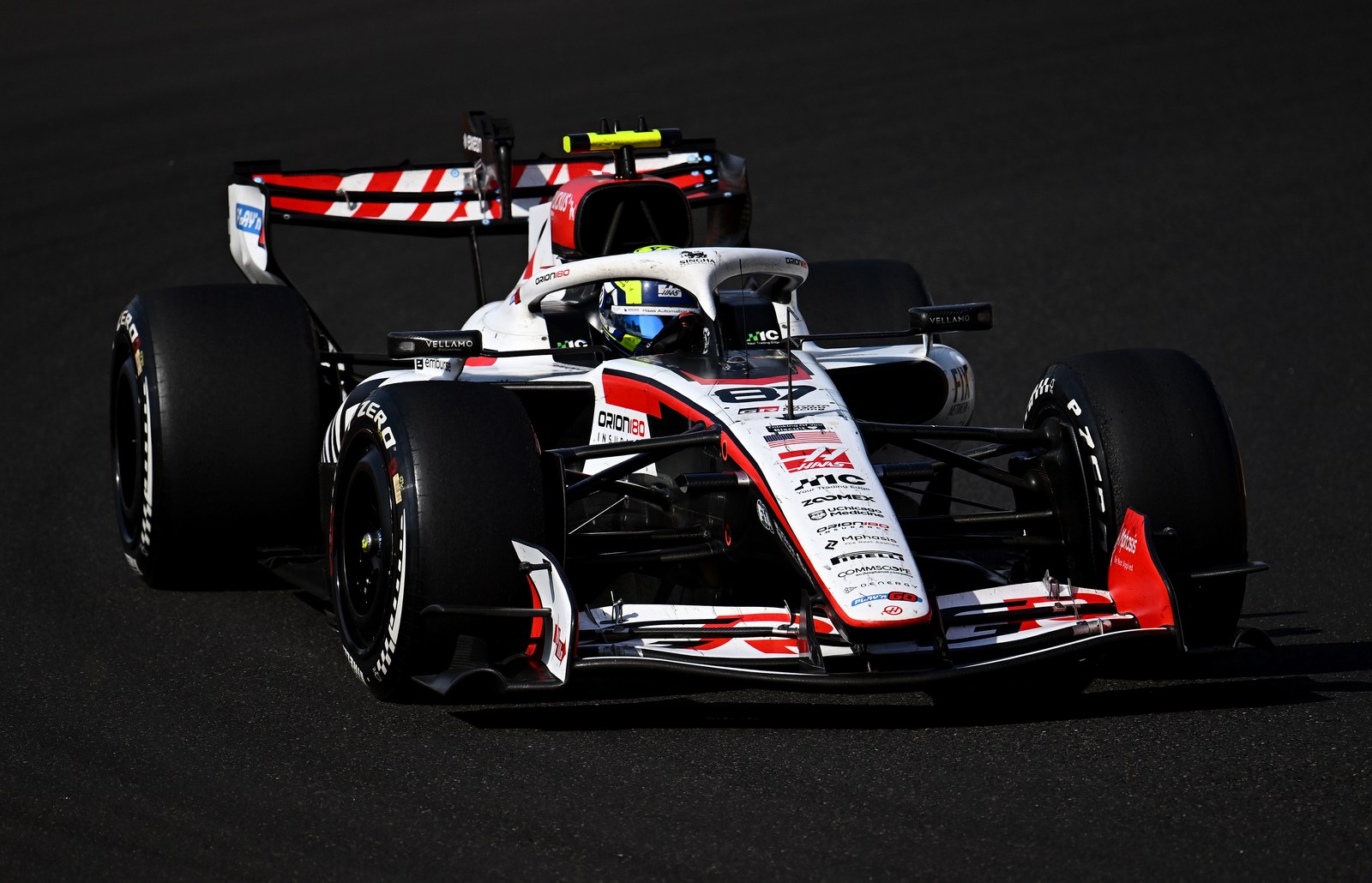
Bearman has never raced at Sepang, while Ocon contested its F1 races in 2016 and 2017, scoring points in 2017. Ocon hopes to continue Baku’s scoring momentum, while noting that he is returning to an old circuit in a car built to new regulations.
Schedule in China Standard Time
Sepang and Beijing both use UTC+8. All times below are China Standard Time (UTC+8). The full official F1 timetable schedules two practice sessions on Friday, third practice and qualifying on Saturday, and the race at 15:00 on Sunday. Any changes closer to the event should be checked against the latest official schedule.
| Date | Session | China Standard Time (UTC+8) |
|---|---|---|
| Friday, 2 October | Practice 1 | 12:30—13:30 |
| Friday, 2 October | Practice 2 | 16:00—17:00 |
| Saturday, 3 October | Practice 3 | 12:30—13:30 |
| Saturday, 3 October | Qualifying | 16:00—17:00 |
| Sunday, 4 October | Grand Prix | From 15:00 |
INKA SPORTS analysis: after protecting points in Baku, what must Haas address first at Sepang?
Baku’s result had two parts: retirements ahead created a points opportunity, then Haas retained it through adjustments and defending positions. Ocon’s feedback on improving the front end and Bearman’s experience of resisting surrounding soft-tyred cars on mediums show the specific operations behind the score. The transferable skill for Sepang is the ability to identify a problem and adjust promptly. First, practice must establish which corners and temperature conditions require changes to this event’s car.
Turns 5 and 6 and Turns 12 and 13, identified by Nidd, are high-speed sections, but the lap also includes slow corners, so preparation cannot focus solely on the two straights. Tyre consumption at this high-energy circuit affects long-run pace, while brakes must be managed in the heat from the early stages of the race. These respectively influence the ability to sustain speed and to decelerate normally. Friday’s second practice and Saturday qualifying both take place at 16:00, making afternoon weather a condition to observe at comparable times. Dry long-run preparation and responses to sudden rain should each be addressed in practice and race planning.
Conclusion
Haas wants to carry forward the adjustment, tyre-management and defensive execution demonstrated in Baku. Local heat, successive high-speed corners and changing afternoon weather will place new demands on that work. Ocon knows the old circuit and Bearman is racing there for the first time, but both need feedback from practice in this year’s car to establish their rhythm. Another points result will depend on that preparation and the opportunities that actually arise in the race.