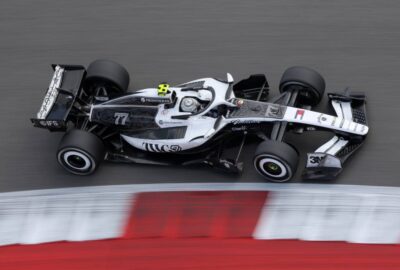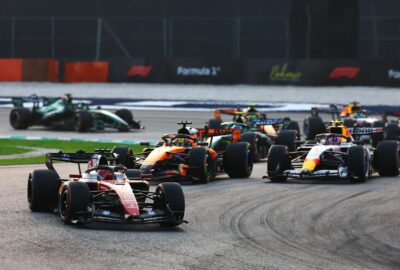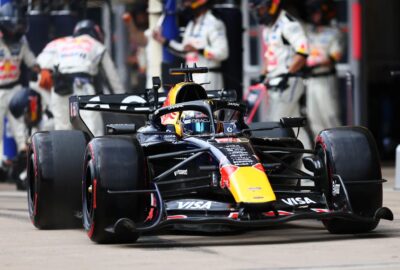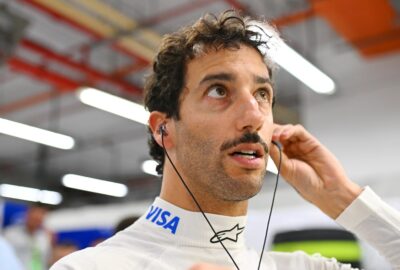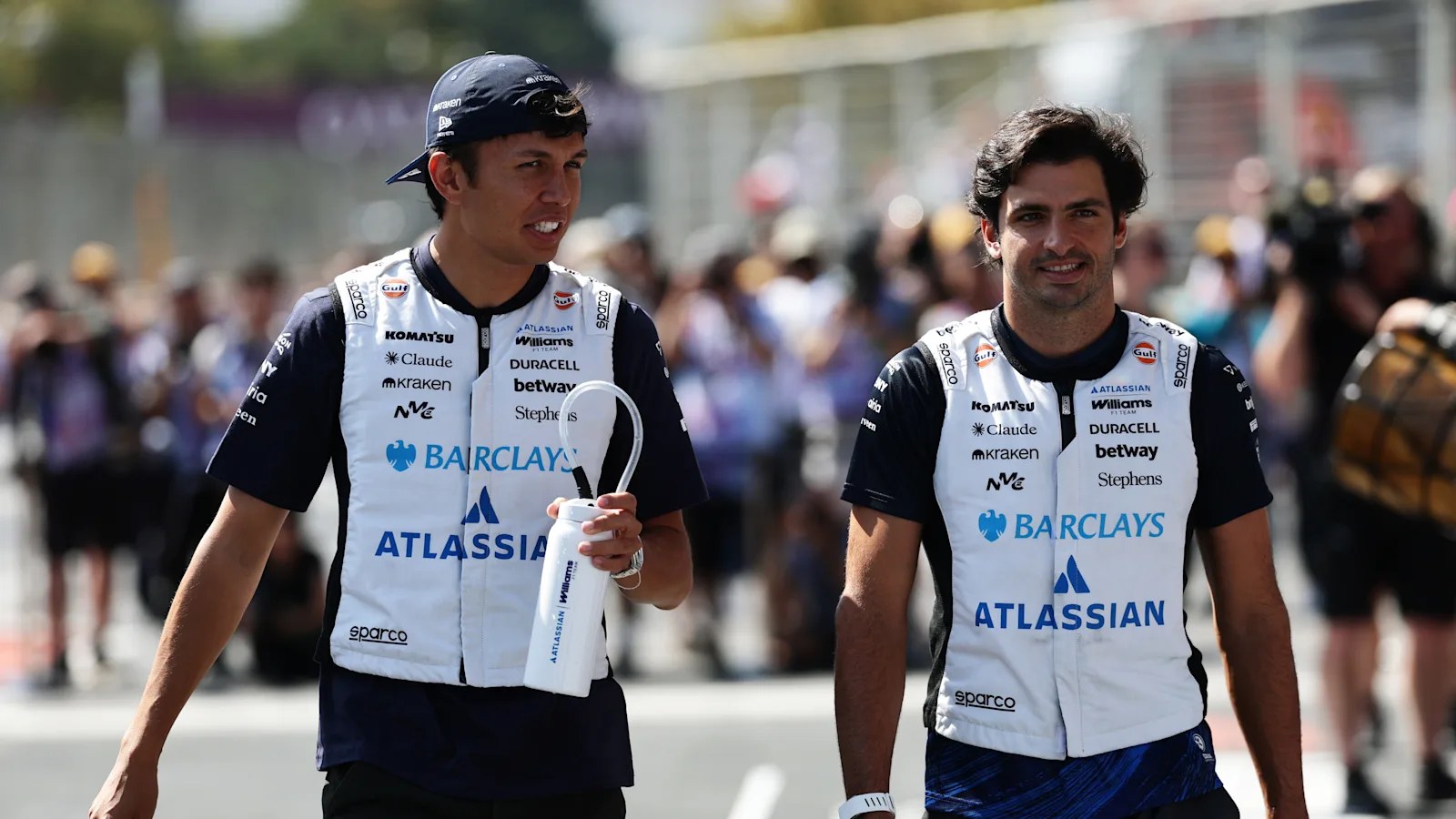
After introducing an upgrade at the 2026 F1 Azerbaijan Grand Prix on 24–26 September, Williams reached the final qualifying segment, Q3, for the first time this season and brought home one point. Carlos Sainz qualified ninth, received a five-place penalty for failing to slow as required in a yellow-flag zone, started 14th and finished tenth.
Qualifying and race results: the scale of the Q3 breakthrough
Baku’s Q2 results provide a more precise picture of its competitive position. Sainz recorded 1 minute 44.629 seconds, 0.054 seconds faster than the slowest driver to reach Q3, Franco Colapinto, on 1 minute 44.683 seconds. Albon’s 1 minute 45.001 seconds was 0.318 seconds slower than the same threshold. Both Williams cars progressed through Q1, but only Sainz reached Q3. Ninth in qualifying and 14th on the grid after the penalty reflect different things: single-lap performance and the starting conditions for the race.
Monza’s Q2 provides an earlier reference. Sainz recorded 1 minute 23.453 seconds there, 0.937 seconds slower than the last qualifier’s 1 minute 22.516 seconds; in Baku, he was inside the cut. The table uses the last advancing driver’s time in each Q2 as its reference, showing how far Sainz was from each event’s top-ten threshold. The circuits, conditions and rivals’ performances differed.
The yellow-flag penalty: separate slowing required in consecutive zones
The stewards’ ruling quoted by F1’s official website explains the penalty: yellow flags were displayed in consecutive zones after Turn 2 and before Turn 3. Sainz received a team warning but slowed significantly only in the latter zone. He believed the two could be treated as one area. The stewards required a clear reduction in speed in each yellow-flag zone; slowing in the second could not compensate for failing to do so in the first, resulting in a five-place penalty.
Driver feedback and the problems the upgrade still needs to address
In an official F1 post-race interview, Sainz welcomed the new package as a reason to hope Williams could rejoin the midfield fight. He also credited his race management over the final 10 to 15 laps with bringing him back into contention for points. The official report noted that retirements ahead helped him move from 14th to tenth. Sainz felt the team still needed further improvement to compete for points regularly.
Albon’s initial impression of the new floor and rear-end changes was also positive. He felt Baku suited the car and that its race pace was good, but said it remained slow in Turn 1 and the final corner and needed more aerodynamic performance.
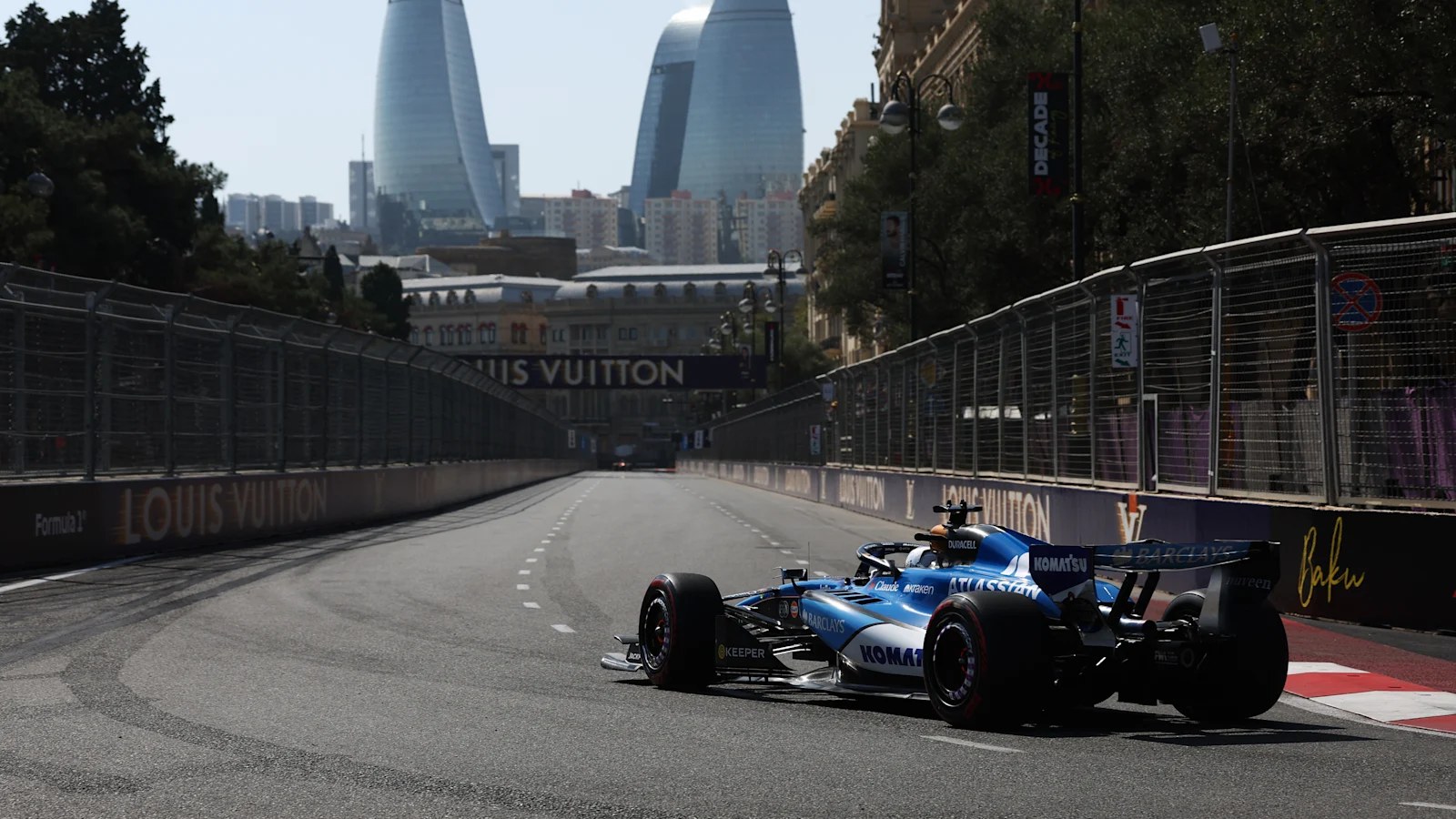
In the race on 26 September, Albon locked up, hit the wall and retired. The official results record 29 completed laps rather than the full distance. He accepted responsibility for the crash but had not fully understood its cause, mentioning braking later than on the previous lap and a tailwind as possible factors.
In an F1 report published on 24 September, team principal James Vowles had explained that the upgrade included a redesigned lightweight chassis and a new aerodynamic package, with the work also aimed at next year and longer-term development. He stressed that engineers still needed to fine-tune ride height, the chassis’s distance from the ground, and car balance when first running the package; they could not find the ideal set-up immediately. This upgrade alone was not enough to guarantee points.
| Round | Segment | Driver | Time | Slowest advancing driver’s time | Gap (seconds) |
|---|---|---|---|---|---|
| Monza | Q2 | Sainz | 1:23.453 | 1:22.516 | +0.937 |
| Baku | Q2 | Sainz | 1:44.629 | 1:44.683 | −0.054 |
| Baku | Q2 | Albon | 1:45.001 | 1:44.683 | +0.318 |
INKA SPORTS analysis: why did a first Q3 appearance yield only one point?
Clearing the single-lap threshold, then losing the starting advantage to a penalty
Sainz reached Q3 with 0.054 seconds to spare, while Albon fell 0.318 seconds outside the cut, placing the Williams cars either side of the top-ten threshold. Sainz qualified ninth, but the yellow-flag penalty put him back in 14th and turned the race into a pursuit of points from behind. His eventual point reflected both management of the final 10 to 15 laps and help from retirements ahead. The upgrade created a better single-lap opportunity, but an execution error cost part of the resulting starting advantage.
Reducing weight and improving corner speed address different problems
The lightweight chassis tackles the weight burden that previously troubled the team. Albon’s comments about Turn 1 and the final corner being slow identify the aerodynamic performance he still wants to gain. Meanwhile, Vowles says engineers need to adjust the new package’s ride height and car balance so that the new components work with the whole car. That creates two tasks: optimise the existing package and continue addressing the cornering weaknesses identified by the drivers. Their positive feedback on the upgrade and calls for further progress are compatible.
Conclusion
Baku’s tangible progress was Sainz reaching Q3 and returning to the points, although the score also relied on late-race management and opportunities created by retirements ahead. The next specific tasks are to retain the grid position earned in qualifying, fine-tune the package’s ride height and balance, and address the cornering aerodynamic needs Albon identified. A first Q3 appearance has brought the team close to the top ten; the penalty and remaining slow corners show where that progress is still constrained.