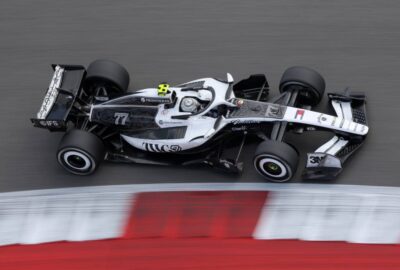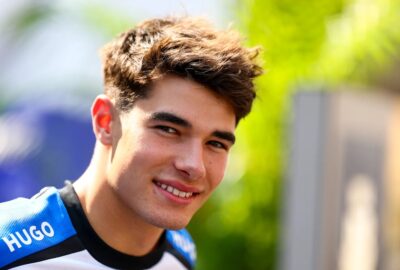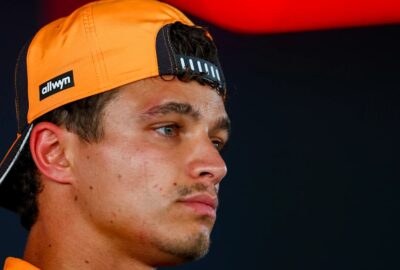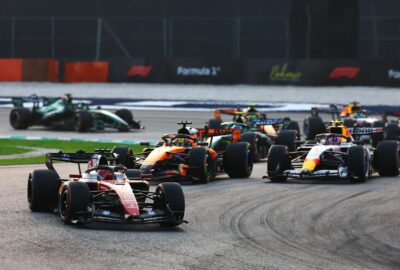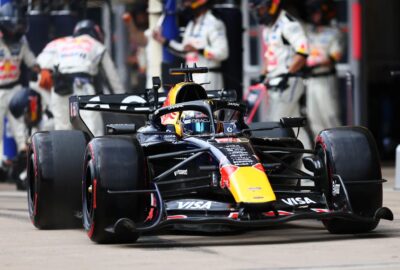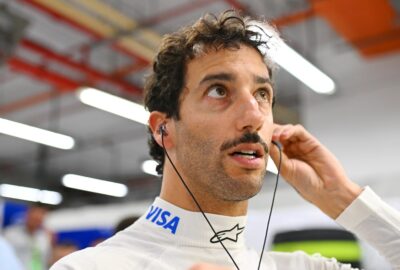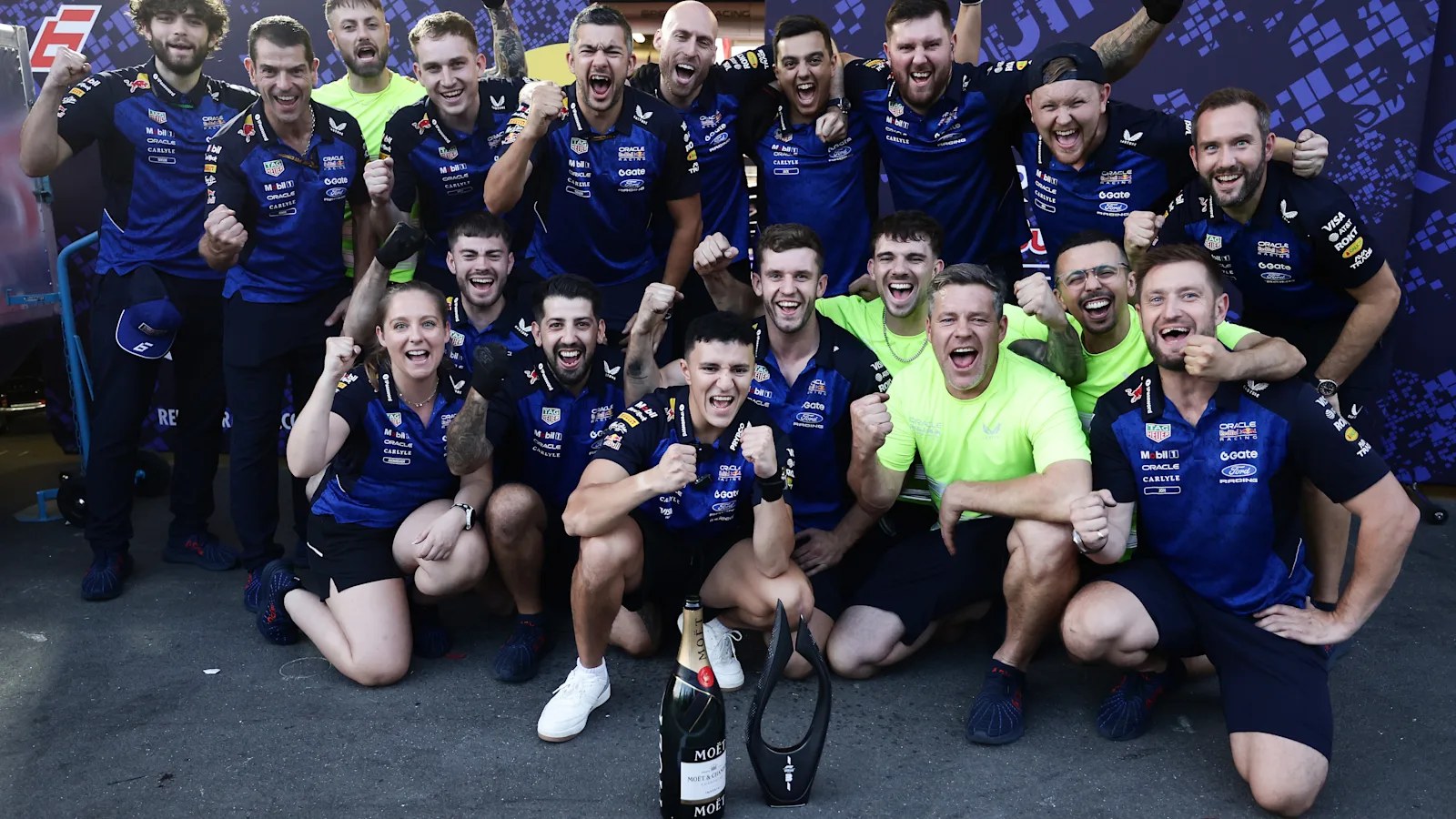
Isack Hadjar returned from injury at the 2026 Azerbaijan Grand Prix and finished third. In a post-race interview, Red Bull team principal Laurent Mekies praised the process of his return: the team waited until the driver no longer felt pain before bringing him back, after which he built his rhythm session by session in Baku and made composed decisions in competition with his team-mate.
The comeback: rebuilding physical readiness and racing rhythm separately
Hadjar had missed the previous three rounds with a wrist injury. Mekies said that even once the pain had gone, Baku’s unforgiving street circuit was not an easy place to return. Hadjar improved through the sessions from practice onwards and qualified fourth, ahead of Max Verstappen in eighth.
Early in the race, Hadjar let the advancing Verstappen through. Mekies also noted that Hadjar said over the radio he did not want a fight with his team-mate to compromise both cars’ races, demonstrating progress in managing situations and emotions. F1’s team-by-team post-race review also records that Hadjar attempted to pass Verstappen during the opening stint. Hadjar himself said gradually building confidence was the key to the weekend and that the car was competitive across different parts of the circuit.
Race conditions: his team-mate’s progress and a late podium opportunity
In the final stint, the Red Bulls were on different tyres: Verstappen used softs and Hadjar mediums. Verstappen said the softs felt better than the mediums. Hadjar also said he knew his team-mate had an advantage on softs and was therefore willing to stay behind. That was his specific assessment of the conditions for their late-race contest.
Hadjar did not simply defend third from the start. Piastri made a late mistake at Turn 1 and went off, promoting Hadjar into a podium position. The official results record Verstappen second and Hadjar third, both completing 51 laps. It was Hadjar’s second podium of the season after Monaco.
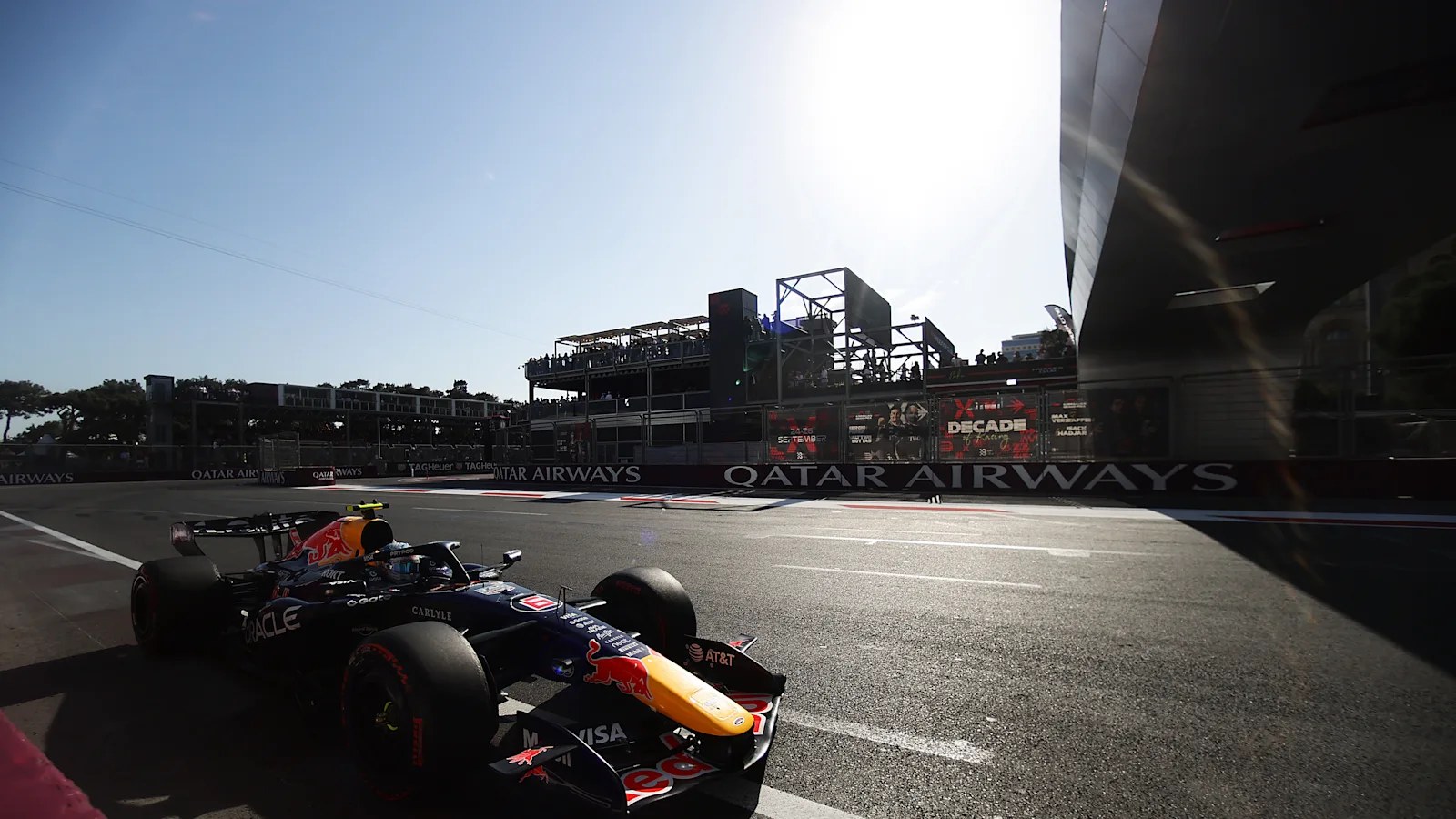
In the team’s post-race review, Mekies praised the overall performance of the upgraded chassis and power unit, viewing the double podium as a reward for Red Bull’s improved competitiveness in Baku. Verstappen revealed that the team had changed the power unit before the race after discovering an engine problem, resolving the issue. F1’s report explained that the replacement was within the permitted allocation.
Hadjar’s retention through 2027 had already been confirmed in the contract announcement on 23 September. Mekies then highlighted his willingness to learn, close work with engineers and composure since moving up to Red Bull. The Baku podium came after the renewal decision.
INKA SPORTS analysis: where Hadjar’s progress was visible
This return involved qualifying fourth and staying in contention near the front before Piastri’s mistake delivered third place. Building confidence session by session helped Hadjar regain his rhythm on an unforgiving street circuit. Remaining with the leading group put him in position to take the late podium opportunity. Mekies’s praise for the quality of the return is supported by a complete sequence from practice through qualifying to the race.
Hadjar also adjusted his approach to racing his team-mate as conditions changed: he attempted a pass in the opening stint, then accepted the late advantage of Verstappen’s soft tyres. A driver must assess both whether an attack is possible and what continued battling might cost both cars. Expressing a wish not to compromise either race and attempting an overtake at a suitable stage can both demonstrate race judgement. Mekies was praising precisely that ability to manage the situation and emotions alongside the driving.
Both drivers also provided feedback on Red Bull’s improvement. Verstappen advanced after the engine issue was resolved, while Hadjar felt the car was competitive throughout the circuit from early in the weekend, and both ultimately finished on the podium. Hadjar’s return gave the team another driver’s sustained performance and feedback in front-running competition, adding race evidence to Mekies’s assessment of the overall upgrade.
Conclusion
Hadjar demonstrated an ability to recover speed after his return, compete at the front and adjust his attacking approach to the race conditions. Piastri’s mistake determined how third place finally became available; Hadjar’s earlier qualifying and race performance explained why he could seize it. The confidence expressed in his pre-event contract renewal received fresh support on track.