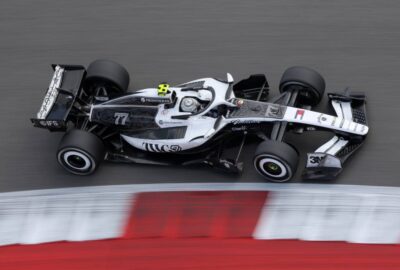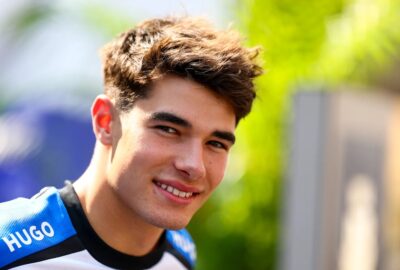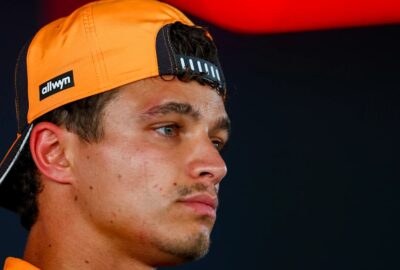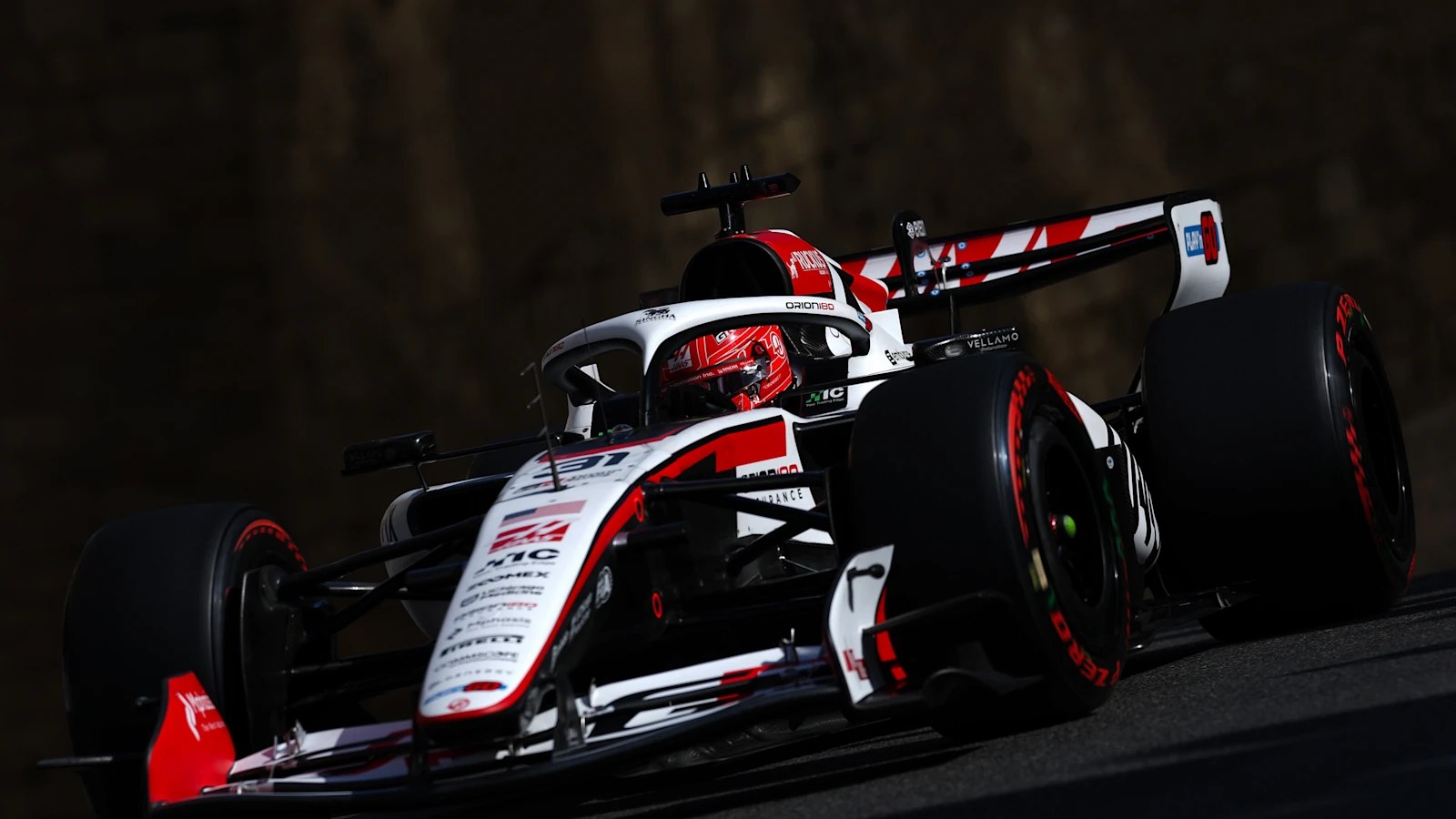
Esteban Ocon finished eighth in the 2026 Azerbaijan Grand Prix, earning four points and his best Grand Prix result of the season as Haas secured its first double-points finish of the year. In an official F1 post-race interview, he described himself as still among the best drivers on the current grid. More concrete than that response is how he used two restarts to reach the points, and why he lost seventh just before the finish.
Two restarts: from 13th to seventh
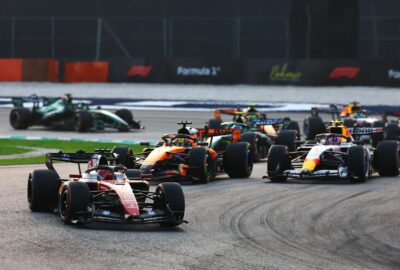
Ocon qualified 14th after being affected by yellow flags and started 13th. When the first safety-car period ended, he remained 13th and was fighting Liam Lawson for position. Ahead, Colapinto, Gasly and Norris became involved in a collision, removing several cars from the points battle.
Ocon also made two overtakes of his own beyond the gains from the crash. He first passed Lawson, reaching ninth before Turn 2, then overtook team-mate Oliver Bearman, who had lost momentum after contact with Kimi Antonelli. After the second restart, Piastri’s mistake gained him another place, briefly putting the Haas cars seventh and eighth.
As the faster cars ahead gradually pulled away, the focus switched to defence. Ocon said he worked with Bearman over the last four or five laps, keeping Overtake Mode available to his team-mate until Lindblad passed Bearman. In the team’s post-race feedback, Bearman noted that both cars were on mediums late in the race while many nearby rivals were on softs, making defence difficult.
Losing a place before the line: lifting too much after avoiding danger
Bottas crashed in the closing stages, and Ocon, concerned that the car was stopped in the middle of the track, chose to cut the corner to avoid danger. He said he then deliberately lifted to avoid being judged to have gained an advantage, but slowed too much. Combined with the Racing Bulls car’s strong straight-line speed, that allowed Lindblad to pass before the finish line. The official F1 results place them seventh and eighth, separated by 0.030 seconds. Bearman finished ninth, giving Haas six points in total.
Car improvements and the 2027 contract: two different threads
Car adjustments also helped Ocon’s progress. In the team report, he said he struggled at the start, improved the front end at the pit stop and was then able to keep moving forward. Team principal Ayao Komatsu said the team had continued improving race operations while the car lacked competitiveness; when competitiveness returned, pit stops, strategy and tyre execution were also ready.
The contract discussion preceded this race. In a pre-event interview on 23 September, Ocon said he remained a free agent for next season, talks with Haas were ongoing and all opportunities he was considering were within F1. At that point, he had scored only in Japan and Monaco this season. After Baku, he responded to questions about his ability by citing his previous victory and years of racing the current drivers. At the time of this interview, Haas had still not announced his 2027 plans.
INKA SPORTS analysis: why Haas wanted to keep Overtake Mode available to a team-mate
The cooperation Ocon described was an important element of late-race defence. According to F1’s explanation of Overtake Mode for 2026, a driver within one second of the car ahead at the detection point can use an additional electrical-energy allocation on the next lap, helping the car sustain high speed for longer. Ocon maintaining that condition for Bearman behind could help his team-mate resist attacks on the straights. Once the faster cars ahead were out of reach, keeping the Haas cars close and working together offered a better chance of protecting both points finishes than defending separately.
The final position was lost through a different judgement. Ocon cut the corner to avoid the crash and lifted to avoid a dispute over gaining an advantage. Both actions had specific reasons, but he admitted lifting too much. For Lindblad close behind, that loss of speed created an opportunity at the line. The 0.030-second margin was the outcome of this late battle; the area to improve is how to regain normal speed promptly after avoiding danger while properly addressing any positional effect of cutting the corner.
Conclusion
Baku’s recovery had several components: the crash opened positions, restart overtakes gained them, and front-end improvements and team-mate cooperation helped Haas protect the points. Ocon achieved his best result of the season and provided a concrete response about his racing ability. Losing seventh before the line nevertheless left a clear question of race judgement to address.