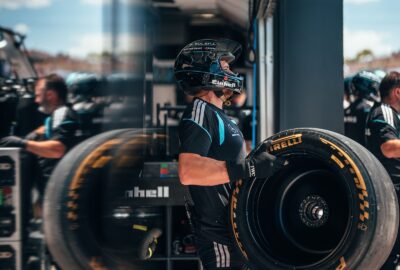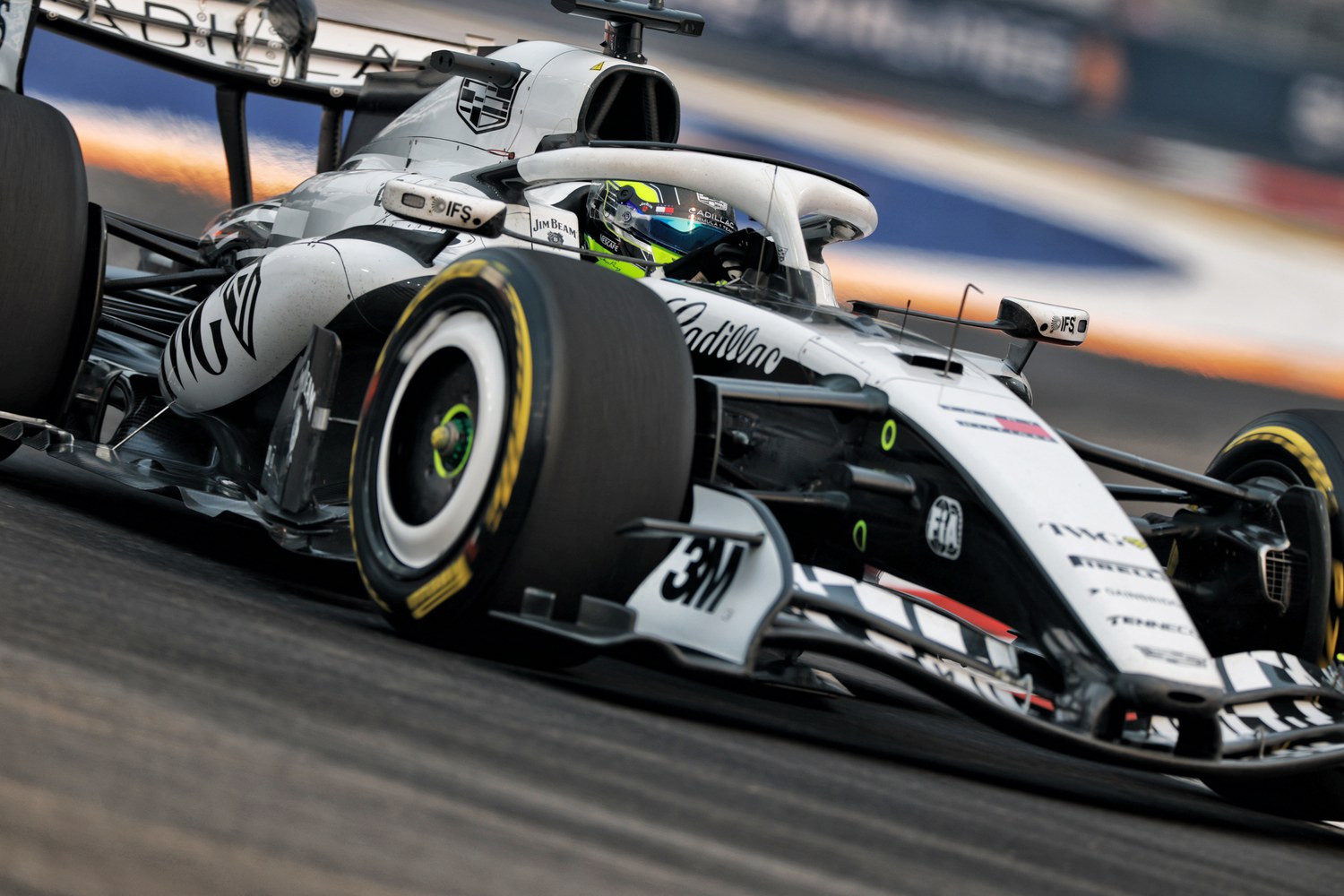
Cadillac Team Principal Marcin Budkowski wants an organization capable of consistently extracting the performance of the existing car before progressing toward the midfield, podiums and ultimately titles. In an F1 interview published on October 20, he said listening and change had proceeded together since taking charge. The new team's construction cannot be measured only by its next finishing position.
From rapid entry to stable operations
Budkowski replaced Graeme Lowdon over the summer. His first day coincided with the move into a new Silverstone base, making learning the people, responsibilities and methods his initial priority.
Cadillac received approval to enter F1 in March 2025, less than a year before its debut this season. Budkowski praised the speed of building entry capability but acknowledged gaps left by shortcuts needed to reach the start. Rather than an instantly reproducible title plan, he prioritized clear choices and avoiding wrong decisions.
He values feedback across levels, trust and transparency, while requiring everyone to execute in one direction after a decision. Mercedes, Red Bull and Ferrari have different cultures, he said. A new team can learn effective principles but must build methods around its own people.
He sets two progress measures: on-track results, and maturity in factory and trackside teams, including extracting existing capability through every activity and weekend. Podiums, wins and championships are longer-term ambitions; stable cooperation between people, facilities and execution comes first.
US weekend combines upgrades with FP1 feedback
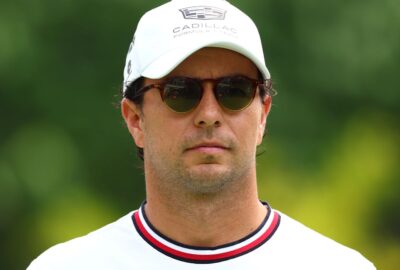
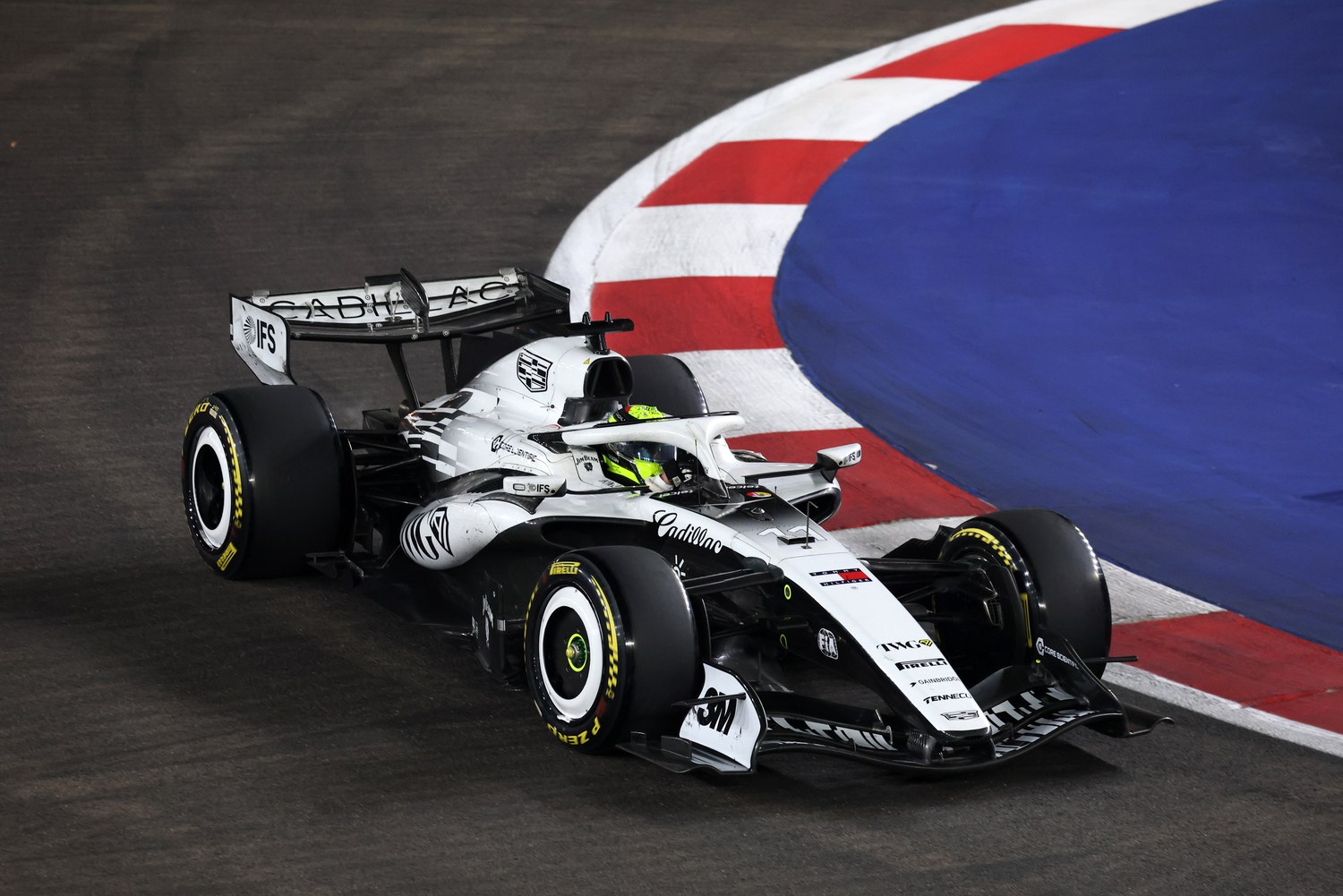
The team's October 19 preview defined the immediate tasks: assess modest floor and cooling upgrades and run Colton Herta instead of Sergio Pérez in FP1. After Barcelona, Budapest and Monza, it is another current-car outing for Herta and is intended to fulfill the second rookie practice Pérez must give up this season.
Budkowski highlighted the combined setup challenge of fast first-sector changes of direction, slow final-sector corners and bumps. Herta won the 2019 IndyCar race here, and Cadillac hopes his feedback helps establish a baseline. Upgrade evaluation is still planned; no lap-time benefit was disclosed.
INKA SPORTS analysis: Convert organizational goals into executable weekend tasks
The interview's team-building and US upgrade test address connected questions: whether parts improve the car and whether the team can recognize gains accurately and turn feedback into setup. Herta's familiarity gives the FP1 comparison a specific personnel assignment. Pérez then inherits the initial baseline, making a clear handoff important for continued preparation.
Cadillac's progress should therefore be assessed through both post-upgrade performance and whether both cars progressively find stable balance from practice to race. Feedback reused by later activities makes organizational improvements visible trackside. One exceptional lap or a position gained through others' retirements does not establish mature methods. Both cars finishing the previous round gives more data, without defining the US competitive position.
Conclusion
Cadillac is translating long-term competitiveness into current construction tasks. Floor and cooling assessments and rookie FP1 will show their connections; Budkowski's midfield and podium aims need repeated weekends to support them. For a first-year team, repeatedly doing things correctly is a reliable starting point for better results.