
Eighth place at Sepang encouraged Aston Martin, but Alonso did not interpret that points finish as evidence that the car had improved across the board. During media activities in Singapore on October 8, he stressed that the car, set-up and power unit were the same as in Baku, yet the performance had been markedly different. Whether the team could maintain its competitiveness this week would still depend on the characteristics of the circuit.
Why the same car’s performance fluctuates between circuits
The press conference transcript published by the FIA that day confirmed Alonso’s view that the race pace and points finish at Sepang were positive, but still far short of the results the team wanted to achieve. He said the car retained clear weaknesses in overall pace and straight-line performance. Some of the coming weekends might therefore be relatively competitive, while others could still leave the team towards the back.
In an interview with F1’s official website, Chief Trackside Officer Mike Krack said Singapore had fewer long straights and was relatively less dependent on power, which should make it a better fit for this car. Stroll also felt that a layout with more corners and fewer long straights would favour the team, although the car would still lose time on the straights.
Looking back at Sepang, Krack offered an explanation involving the track surface. The rough surface meant the cars spent more time limited by grip and travelled at lower speeds, conditions in which Aston Martin was more competitive. He believed that the problems its rivals had experienced at the previous round might also have affected their relative performance.
A Sprint weekend makes an early set-up essential
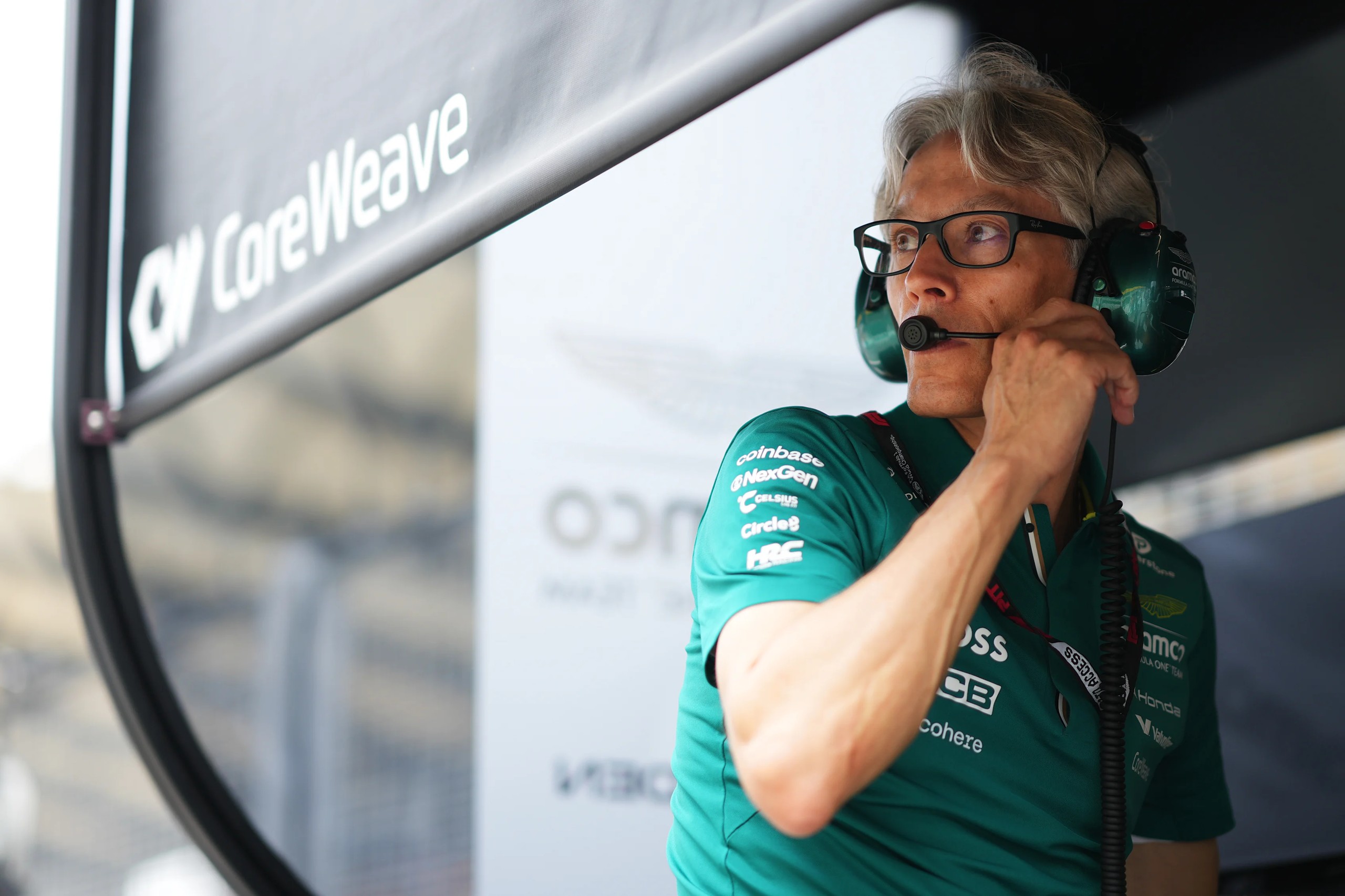
Krack also pointed out that Singapore was using the Sprint weekend format, leaving limited practice time while grip on the street circuit would continue to change. The team therefore had to find a suitable set-up as early as possible. He felt the weather might also create opportunities and stressed the need to avoid mistakes.
INKA SPORTS analysis: how fewer long straights can ease the car’s weakness
Time lost on the straights must be recovered through cornering performance. With fewer long straights, the portion of the deficit Aston Martin needs to recover may become smaller, giving cornering speed a more prominent influence on the total lap time. This explains why an unchanged car can still move closer to its rivals at a circuit with a different layout.
However, Krack’s explanation of Sepang also involved the surface and the circumstances affecting its rivals, and those conditions cannot simply be treated as equivalent to Singapore’s. Assessing the car’s suitability for the circuit requires looking at the time it actually gains and loses in different parts of the Singapore lap: whether time recovered in the corners can offset losses on the straights, rather than simply comparing the final positions at the two rounds.
Conclusion
The opportunity in Singapore comes from how the existing car matches the circuit. The Sprint weekend reduces the time available to adjust the set-up, so Aston Martin needs to find its cornering speed early enough to make it count in qualifying and aim for a more favourable starting position than at venues with more long straights.