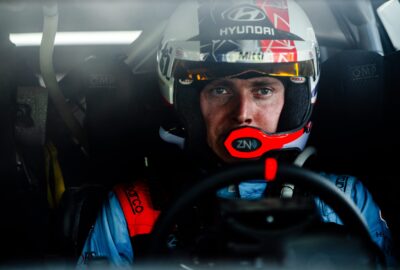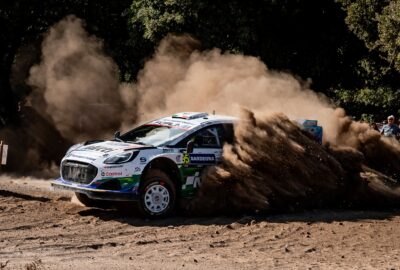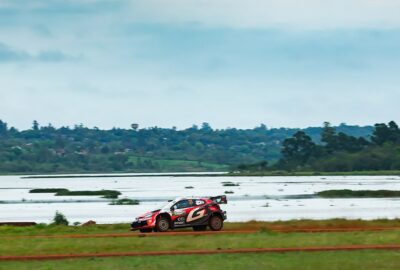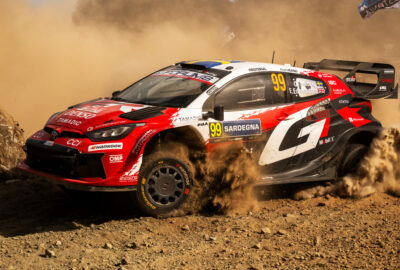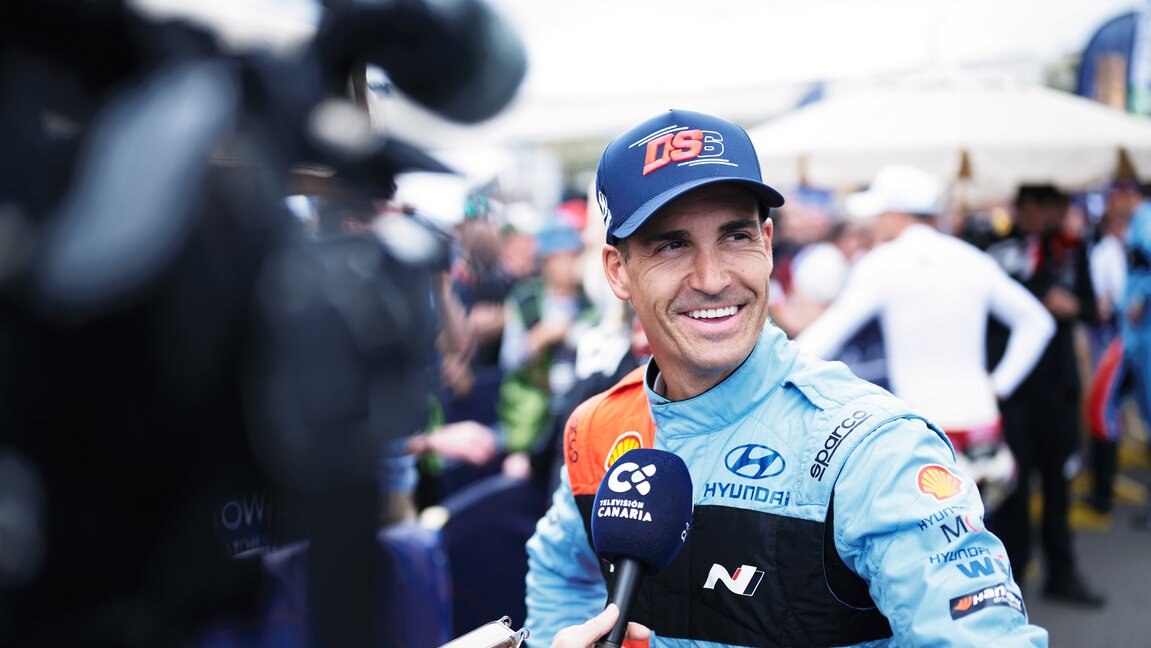
Dani Sordo will partner Patricia Sáiz in a Hyundai i20 N Rally1 at this week’s WRC Rally Italia Sardegna. Hyundai confirmed the pairing in its official preview on 25 September; Sordo subsequently explained the choice of his new partner in an interview published by Motorsport.com on 29 September.
Reasons for the change: clear delivery and an existing partnership
Sordo said the pair had already competed together at some local events last year and worked very well together. He particularly valued Sáiz’s clear pace-note delivery, which he felt helped him concentrate better in the car.
Sáiz will make her WRC debut, replacing Cándido Carrera, who has partnered Sordo in the world championship since 2021. Speaking about his previous co-driver, Sordo said he was sorry not to have Carrera alongside him, but that they remained in touch and on good terms.
Sardinia’s challenge: speed and precision on narrow roads
Sordo won Sardinia for Hyundai in consecutive years in 2019 and 2020. His target this time is at least a podium, with victory also in his sights. In Hyundai’s preview, he stressed that narrow roads and roadside rocks were the main challenges: even small mistakes could be punished, requiring drivers to be both precise and fast.
The team’s preview lists 17 stages and 307.02 competitive kilometres. Hyundai will also field Thierry Neuville and Adrien Fourmaux, with all three crews targeting the podium. Hyundai WRC sporting director Andrew Wheatley emphasised the need to maintain consistent, competitive speed throughout and to consider car performance, crew coordination, weather and tyres together.
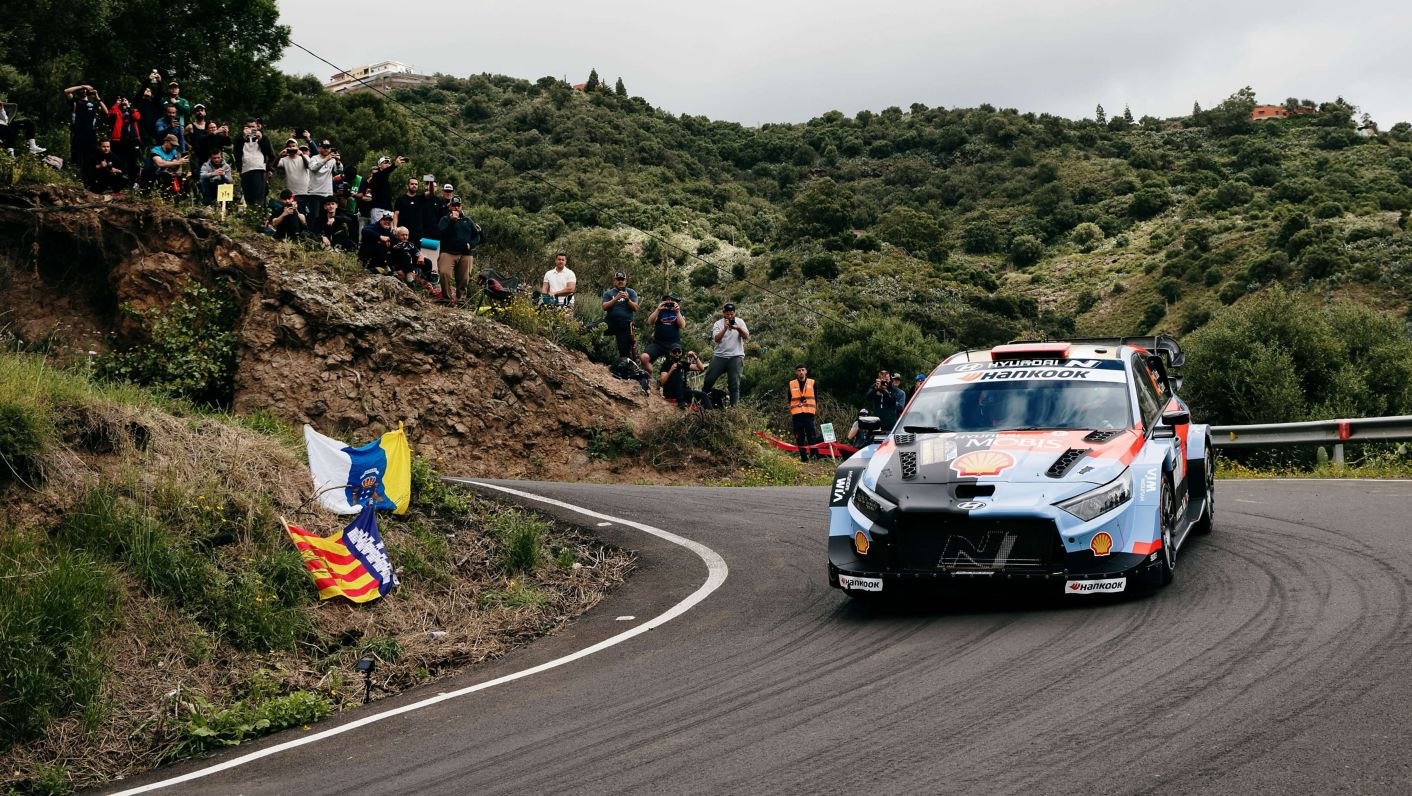
What the co-driver does on a stage
The pace notes read by a co-driver are the crew’s record of stage information prepared before the event. Hyundai’s explanation of reconnaissance describes how drivers travel through the stages in advance at low speed, make their notes and record video for review. During competition, the co-driver reads that information to the driver, enabling them to anticipate changes in the road and plan their driving inputs.
INKA SPORTS analysis: why communication matters on narrow roads
Clear information about what lies ahead allows early preparation
Sordo identifies narrow roads and roadside rocks as the event’s biggest challenges: space is limited and even small errors can be punished. A driver needs to decide how to control speed and choose a line before reaching the next section. His appreciation of Sáiz’s clear delivery therefore reflects a specific need: spending less effort interpreting calls and keeping attention available for driving. That also explains why he links her delivery style with his concentration in the car.
Clear calls must be combined with tyre and road conditions
Hyundai’s preview describes a route alternating between fast and slow sections, mixing hard rock and sandy surfaces, while warning of rough, abrasive roads and potentially changeable October weather. Drivers must combine information about the road ahead with the grip available at that moment to choose their speed, maintaining precision across different surfaces as the tyres wear. The consistent rhythm Wheatley calls for therefore involves two complementary tasks: the co-driver communicating the road information clearly, and the driver judging speed according to the car’s condition.
Conclusion
Sordo values Sáiz because her delivery helped him concentrate on driving when they previously worked together. Sardinia’s narrow roads and roadside rocks make clear information about what lies ahead, and early decisions on speed and line, particularly important. Preparation for a podium and a possible win draws on both Sordo’s experience of the event and the pair’s established communication. During the rally, they must combine that coordination with tyre management and the actual road conditions.