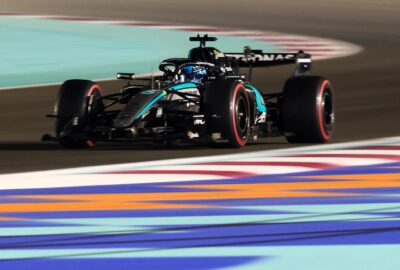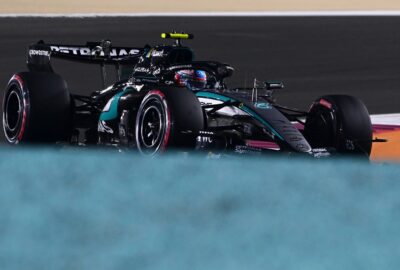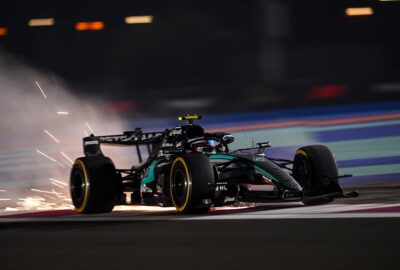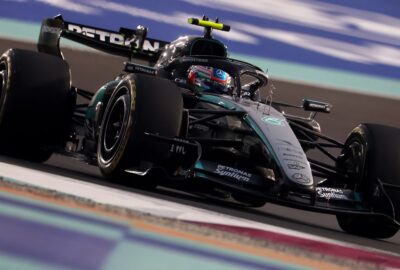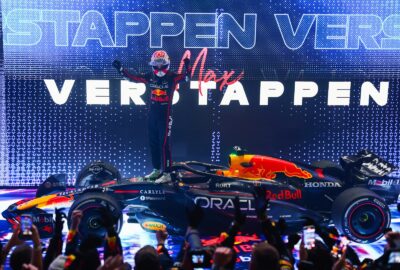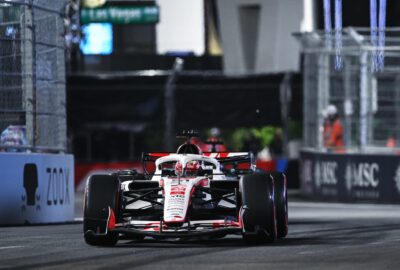
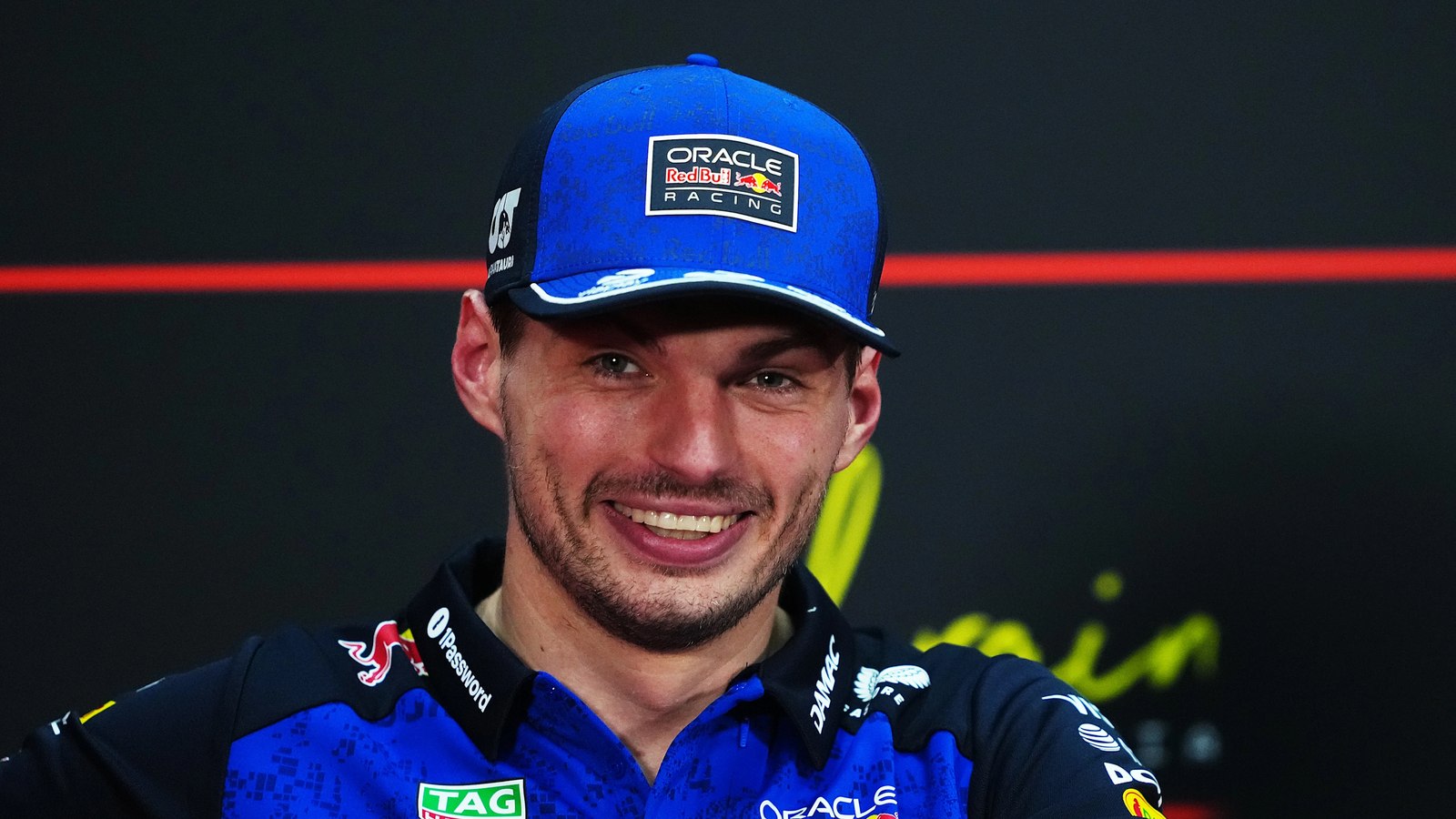
Max Verstappen took his first pole of 2026 on October 3 at the season’s sixteenth round, the Bahrain Grand Prix held at Sepang in Malaysia. He credited effective improvements and a better understanding of the car’s behaviour. Isack Hadjar qualified third, putting a second Red Bull near the front.
Pole: fastest in all three qualifying segments
Verstappen set 1:35.130 in Q3, beating Lewis Hamilton by 0.298 seconds. Hadjar was third in 1:35.558, 0.428 seconds behind his team-mate. Verstappen also led Q1 and Q2, finishing more than a tenth ahead of the next-fastest driver in each of the three segments.
Verstappen said practice had not made the competitive picture clear because rival run plans were unknown. From Q1, he could see that he was in contention for the front. After the difficult start to the year, he considered the first pole an important moment for the whole team.
He linked effective additions to the car with a better understanding of its behaviour. The team had continued making adjustments, while Sepang’s layout also suited the car particularly well. His race target after qualifying was straightforward: starting first meant trying to take his first win of 2026.
Baku: an upgrade present, but a power problem in qualifying
At the previous round in Baku, Verstappen had qualified only eighth. Team Principal Laurent Mekies confirmed that the latest upgrade was present, but a power-unit problem worsened through qualifying, affecting straight-line speed, energy deployment and tyre preparation. Verstappen said the draining battery forced him to abort laps, costing tyre temperature, before yellow flags compromised his final attempt.
The Baku race came closer to the team’s expectations: Verstappen finished second by less than 0.2 seconds, with Hadjar third. Both Red Bulls reached the podium before qualifying in the top three at Sepang.
Sepang feedback: the same car, different grid positions
Hadjar considered the car substantially better than before his injury absence, while he had rebuilt his rhythm lap by lap from FP1 at Sepang. He was unhappy with his last qualifying lap, describing worse tyre, grip and power sensations, yet still finished third. He regarded that as evidence of the car’s underlying competitiveness.
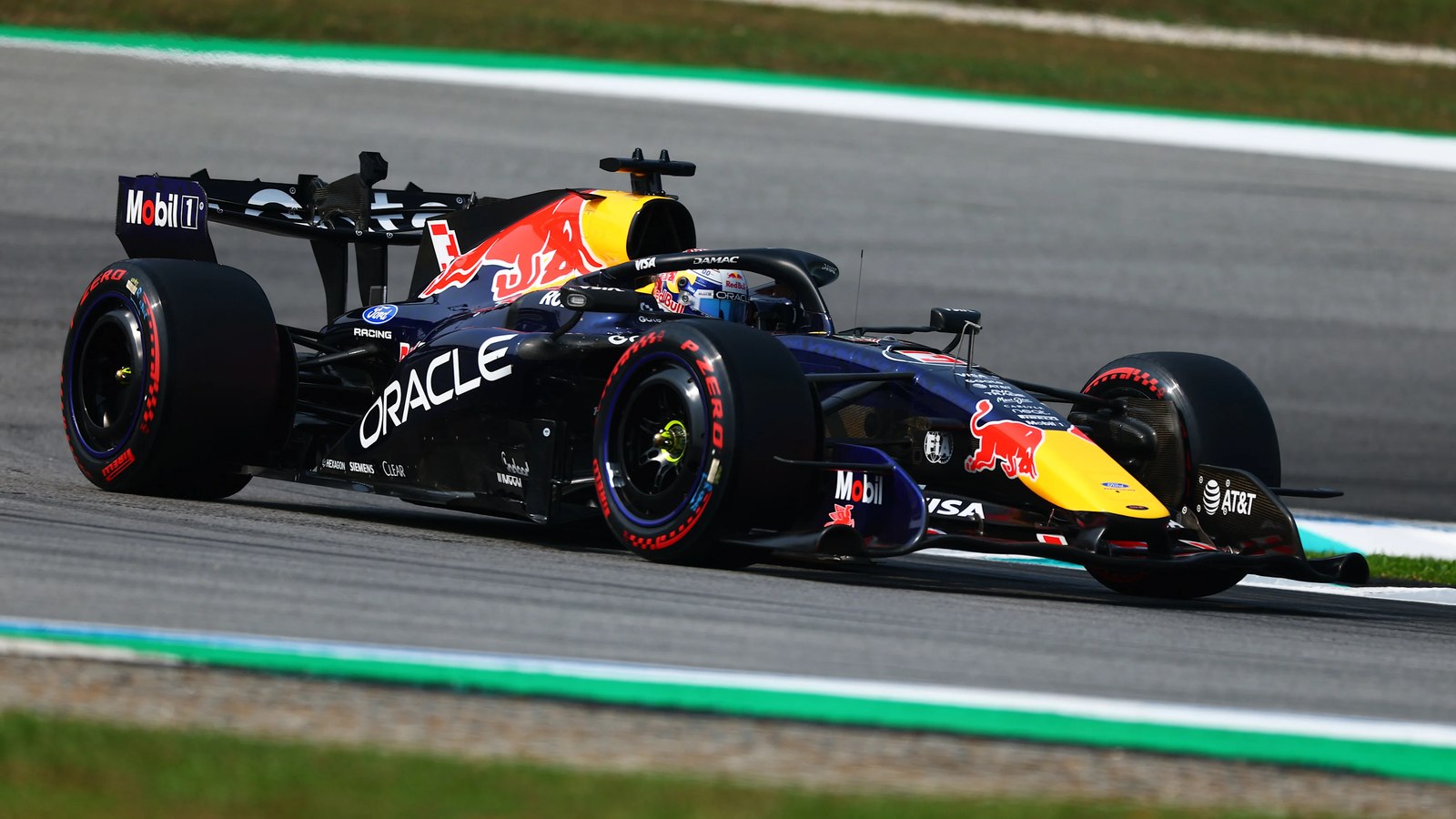
An additional power-unit element brought Hadjar a five-place penalty, putting him eighth on the grid while Verstappen retained pole. Hadjar expected the heat to make following difficult and overtaking on pace alone demanding. He looked to suitable strategy and a clean race to recover positions; Mekies also identified tyre management as a major challenge.
October 4 race: tyre choices and restarts deliver victory
Rain changed the conditions on October 4. Verstappen started on intermediates and fell behind both Mercedes drivers. He passed George Russell at Turn 4, then switched to softs during the first Safety Car period. At the lap 13 restart, he went around the outside at Turn 1 and cleared Kimi Antonelli at the exit of Turn 2 to take the lead. Verstappen briefly dropped behind Antonelli after pitting under the lap 43 Virtual Safety Car. He returned to the lead when Antonelli stopped, then held it through the final restart to take his first win of the season.
Hadjar recovered from eighth to fifth without converting his qualifying pace into a podium. He said the car felt worse than on the previous two days and lacked power for two laps after the final restart, believing a podium had been possible without that problem. Mekies said the team would investigate, while considering fifth a strong result from eighth.
The result was also the first Formula 1 victory for a Red Bull Ford power unit. Verstappen praised the team’s gradual progress after a difficult start, while Mekies described an important milestone for Red Bull as a power-unit manufacturer. The race-winning target set after pole had been achieved through a succession of tyre decisions and restarts.
Verstappen’s advantage in each qualifying segment
| Session | Max Verstappen | Next-fastest driver | Next-fastest time | Advantage (s) |
|---|---|---|---|---|
| Q1 | 1:36.477 | Lewis Hamilton | 1:36.595 | 0.118 |
| Q2 | 1:35.696 | Kimi Antonelli | 1:35.959 | 0.263 |
| Q3 | 1:35.130 | Lewis Hamilton | 1:35.428 | 0.298 |
INKA SPORTS analysis and conclusion: converting pace into a race result
A double podium in Baku and first and third in Sepang qualifying aligned with both drivers’ positive feedback, supporting the conclusion that Red Bull had become more competitive. That progress appeared across both drivers and successive events. Verstappen also singled out Sepang’s favourable layout: development, how the team used the car and its suitability for this circuit together formed the background to pole.
Converting that pace still required reliable running and effective execution. Baku’s power problem affected straight-line speed before disrupting energy and tyre preparation. At Sepang, Verstappen took the lead at the restart after switching to softs, while Hadjar encountered a late power shortage. Their different races showed how a competitive car could still lose positions at separate stages.
Rain changed the anticipated hot-weather tyre-management challenge. The actual route to victory involved an intermediate start, compound choices as the track dried and multiple restarts. Red Bull established an advantage in dry qualifying and delivered effective race decisions for Verstappen when conditions changed. Hadjar’s late problem showed how dependable running could still determine the return once both cars had competitive pace.