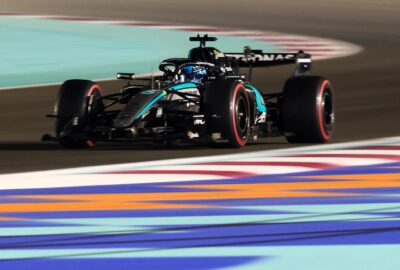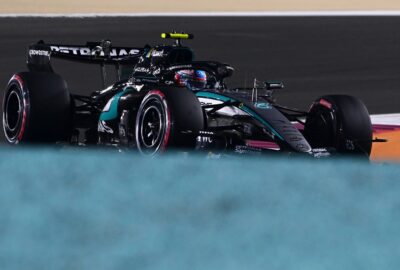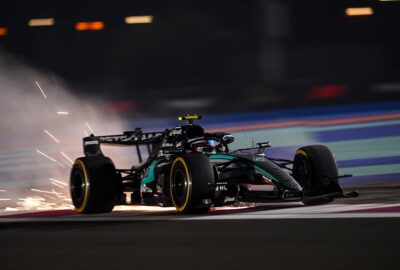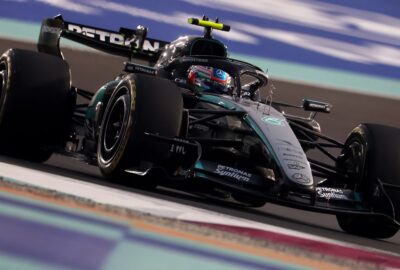
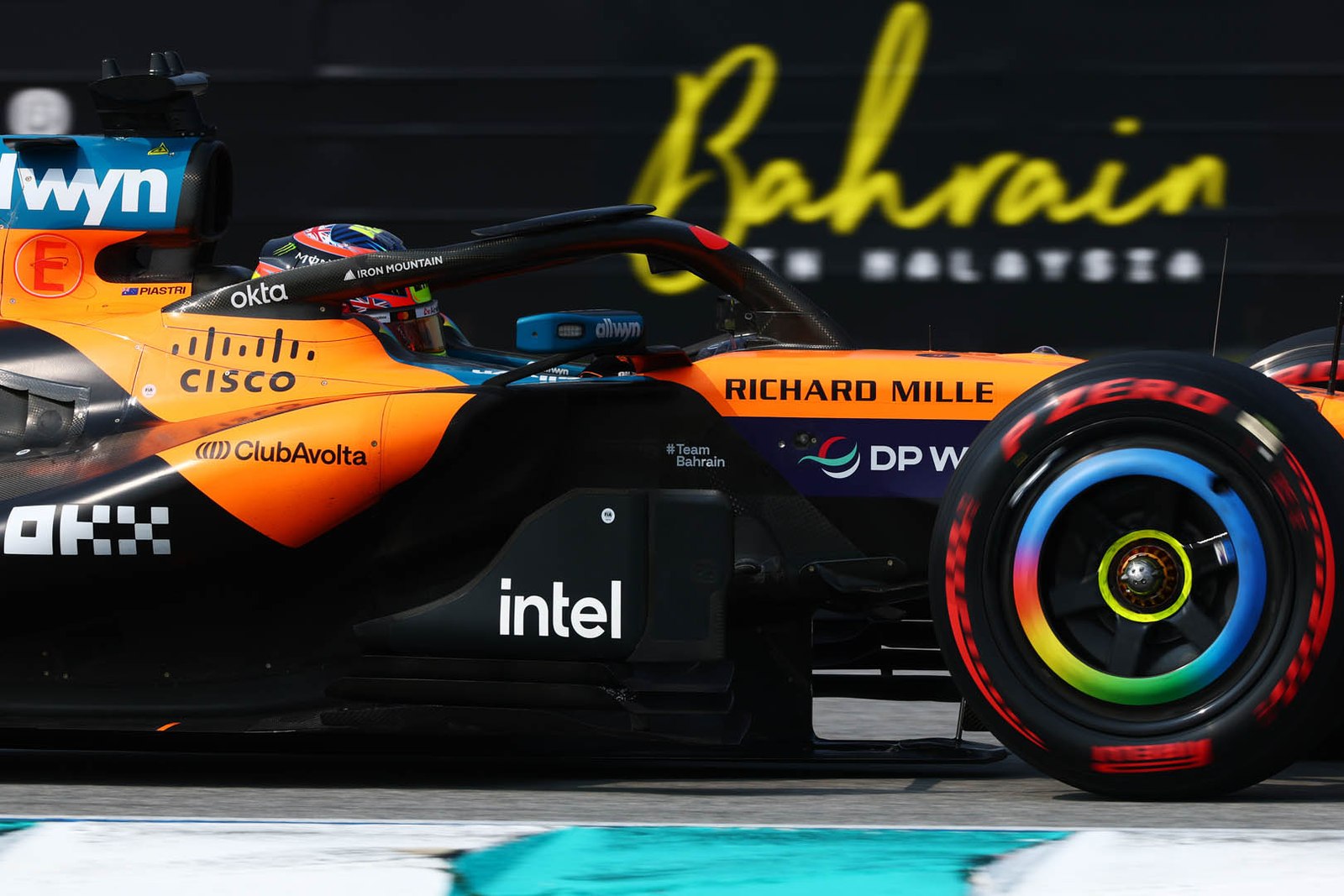
Lando Norris and Oscar Piastri were separated by only 0.005 seconds in qualifying on October 3 for the 2026 Formula 1 season’s sixteenth round, the Bahrain Grand Prix at Malaysia’s Sepang circuit. Both were more than half a second from pole. Isack Hadjar’s five-place penalty for an additional power-unit element put the McLarens fifth and sixth on the grid. Norris’s straight-line deficit had carried over from Baku, leaving the team looking to long-run performance and tyre strategy for race opportunities.
Qualifying and the grid: 0.005 seconds apart on the third row
Norris qualified sixth in 1:35.757 and Piastri seventh in 1:35.762, respectively 0.627 and 0.632 seconds behind Max Verstappen. They were only 0.091 and 0.096 seconds behind fifth-placed Charles Leclerc, a considerably nearer target than the polesitter. Hadjar’s penalty put both McLarens on the third row.
Norris improved slightly on his second Q3 attempt while Piastri did not, reversing their order. Norris felt he had assembled a strong lap; Piastri identified a lack of grip at Turn 2 and thought more had been available on his final attempt. Similar times therefore came with different assessments of execution.
Straight-line speed and sectors: different feedback from the drivers
Team Principal Andrea Stella said the straight-line speed deficit affecting Norris in Baku had continued at Sepang. The team was analysing it with power-unit partner HPP. He also considered Red Bull to have progressed significantly, while McLaren still had work to do to maximise its own car.
Across qualifying, the speed trap recorded Norris at 312.4 km/h in fifteenth and Piastri at 314.7 km/h in eleventh; Verstappen recorded 310.7 km/h at the same point. Piastri’s best first and second sectors were 0.085 and 0.049 seconds quicker, while Norris’s best third sector was 0.111 seconds faster. These are each driver’s session-best sectors and need not come from that driver’s fastest complete lap.
Upgrades and tyres: preparing for the race
On October 2, Senior Director, Racing, Randy Singh explained that a package had arrived in Baku and there was little to add at Sepang, although the heat required bodywork better suited to cooling. The team was still exploring how the package interacted with setup across more varied corners. Parts lost in Norris’s previous-round collision would not disrupt normal running.
Both drivers used mediums before softs in FP3. Norris’s soft-tyre qualifying simulation did not beat his medium time, while Piastri improved only marginally. They nevertheless used softs in qualifying and retained two sets each for their two Q3 attempts. The track did not gain its usual late-session grip.
After qualifying, Norris expected unusually high degradation for the season and a possible two- or three-stop race, hoping differing strategies and Safety Cars would offer chances. Piastri felt Friday’s long-run pace was encouraging but rivals nearby were competitive too. Stella’s target at that point was to contest the podium in either wet or dry conditions.
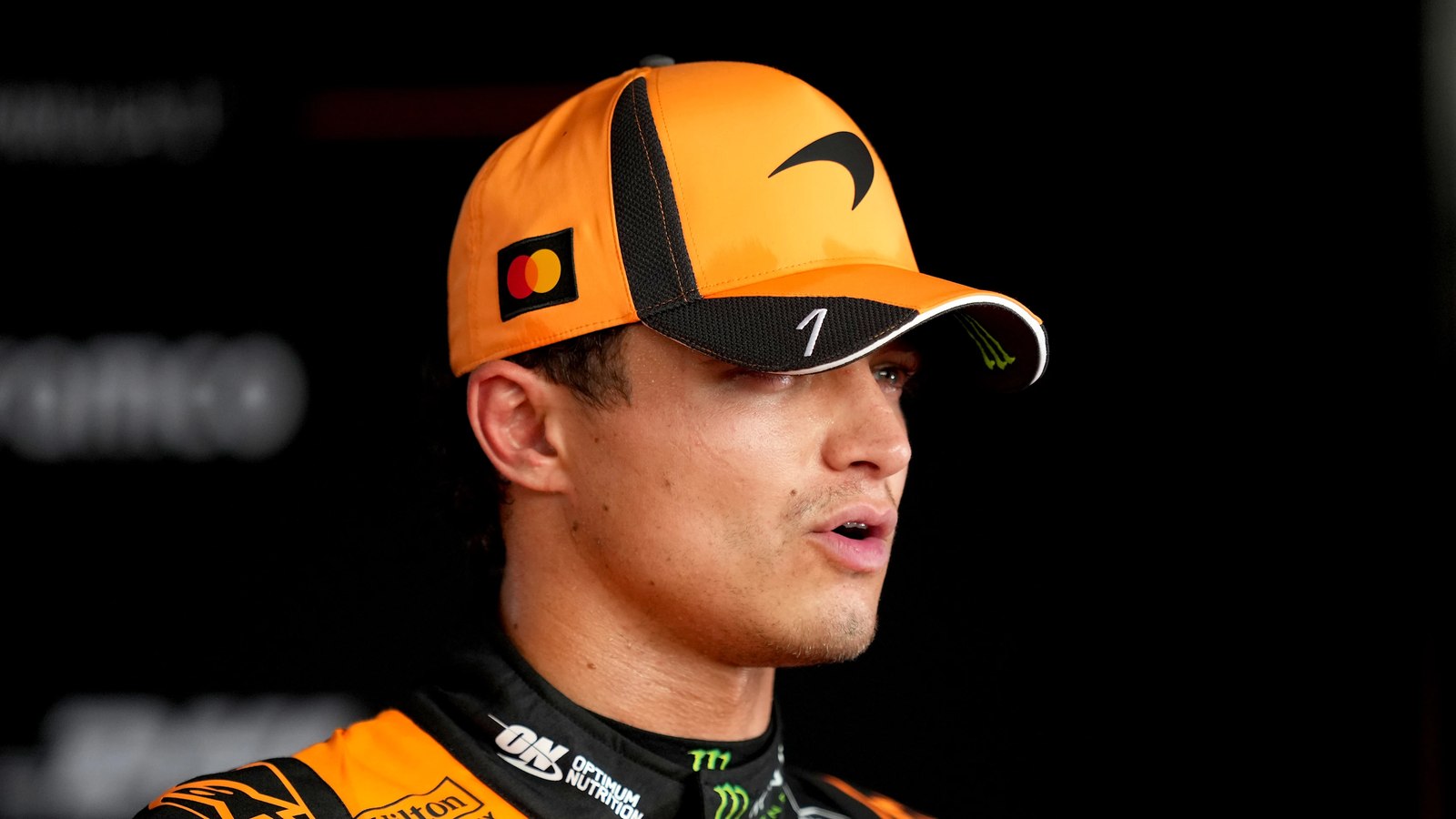
Singh explained that the strategy decision combined the time lost at a pit stop with the long-run performance of C2, C3 and C4, determining both the number of stops and which tyres to retain. Sepang also demanded front-end performance through combined braking-and-turning entries, alongside fast corners and two long straights.
October 4 race: rain changes tyre choices and the pursuit
Rain changed the October 4 race. Both cars initially chose mediums; Piastri switched to intermediates before the standing start, while Norris stayed on mediums and fell back. Both took hards during the Safety Car after Valtteri Bottas became stuck in the gravel.
Their next choices diverged: another hard set for Piastri and softs for Norris. Piastri reduced a 7.5-second deficit to Leclerc to under 2 seconds before Albon’s stoppage triggered a Virtual Safety Car. Ferrari stopped then; McLaren stopped after a full Safety Car followed, interrupting the pursuit.
Norris ran into the gravel as the field slowed behind the final Safety Car following George Russell’s stoppage. He dropped to eleventh and recovered to ninth; Piastri finished sixth. Norris said the team’s starting-tyre choice was wrong and accepted responsibility for his Safety Car error. Stella judged sixth approximately the limit of the car’s performance that day, even with correct decisions.
Times across the three qualifying sessions
| Session | Lando Norris | Oscar Piastri | Gap between team-mates |
|---|---|---|---|
| Q1 | 1:37.092 | 1:36.852 | Piastri faster by 0.240s |
| Q2 | 1:36.173 | 1:36.020 | Piastri faster by 0.153s |
| Q3 | 1:35.757 | 1:35.762 | Norris faster by 0.005s |
INKA SPORTS analysis and conclusion: why strategy opportunities did not deliver a podium
The qualifying gap of 0.005 seconds concealed different areas to address. Piastri identified Turn 2 grip, while Norris and the team continued investigating straight-line speed. Verstappen’s lower speed-trap figure, despite pole, also shows why one measuring point cannot represent a complete lap. Sector times, whole laps and attributed feedback together give a more useful picture of what each driver needed.
The anticipated multi-stop opportunity had conditions: new tyres had to recover more time than another stop cost, while the duration of that pursuit also depends on interruptions and when rivals stop. Piastri approached Leclerc on hards before the late neutralisation and Ferrari’s stop changed that contest. The race therefore tested the earlier forecast: strategy created a recovery phase, whose duration depended on weather, Safety Car timing and relative pace.
McLaren needed both stronger performance and better execution at Sepang. Stella rated the package fourth-fastest, while Norris distinguished specific mistakes from the overall pace shortage. Sixth and ninth reflected a shared performance limitation alongside different tyre and driving experiences. Returning to podium contention required progress on the speed issues identified by the team and fewer avoidable losses of position.