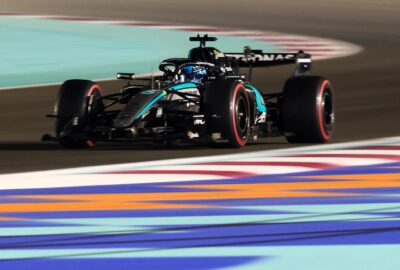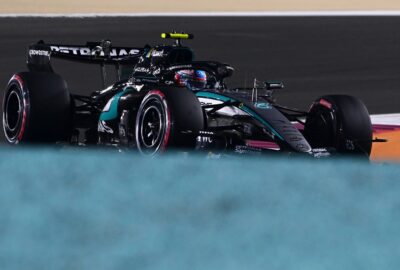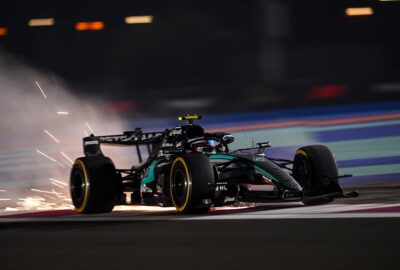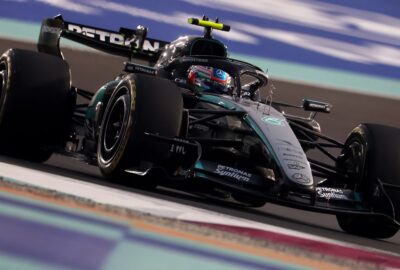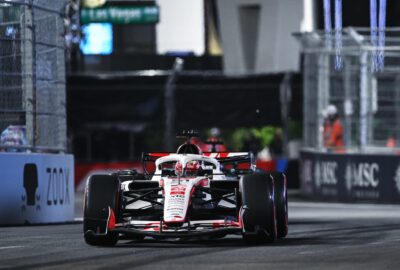
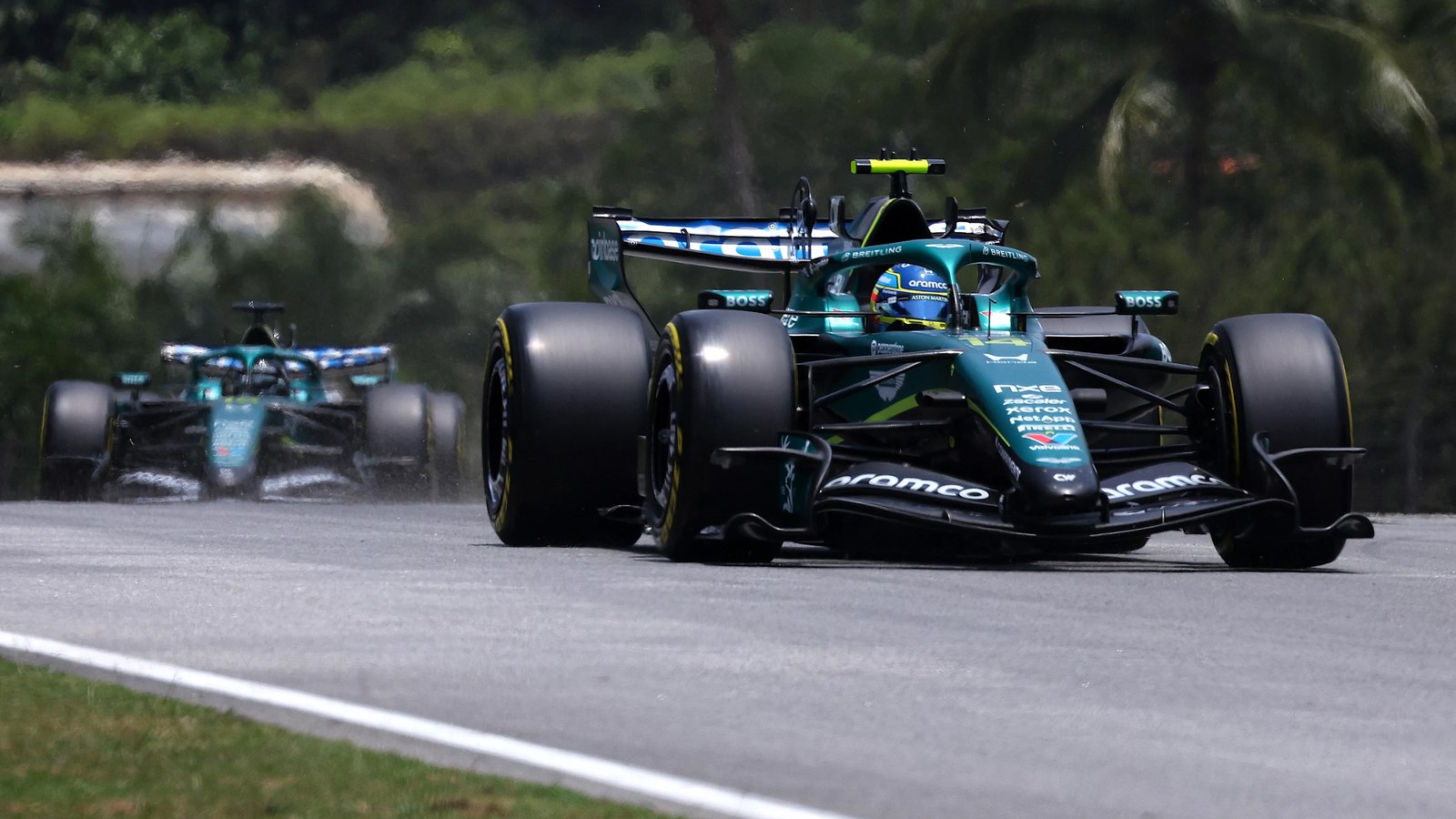
Aston Martin put both cars into Q2 for the first time in the 2026 season during qualifying on October 3 for Round 16, the Bahrain Grand Prix at Malaysia’s Sepang circuit. Fernando Alonso finished twelfth and Lance Stroll fourteenth. Both linked the improvement mainly to the layout while remaining concerned that a lack of straight-line speed would compromise defending and overtaking in the race.
Q1 progress and Q2 positions: two different measures
Alonso advanced from Q1 in fourteenth with 1:37.721, followed by Stroll in fifteenth on 1:37.729. They were respectively 0.249 and 0.241 seconds quicker than the fastest eliminated driver, Nico Hülkenberg, on 1:37.970. Only 0.008 seconds separated the team-mates. Both cars therefore progressed through their own valid laps.
A separate condition shaped the Q2 order: Franco Colapinto and Arvid Lindblad recorded no valid times and finished behind both Aston Martins. Alonso also beat Carlos Sainz’s 1:37.527 with 1:37.220 to take twelfth; Stroll recorded 1:37.566 for fourteenth.
Gabriel Bortoleto’s tenth-place Q2 time of 1:36.814 set the threshold for reaching Q3. Alonso was 0.406 seconds short and Stroll 0.752 seconds short. Alonso was also 1.524 seconds behind Max Verstappen, the fastest driver in that session. The first two gaps measure the remaining Q3 hurdle; the last compares him with the quickest Q2 lap.
Driver and team feedback: a layout that suited the existing car
Alonso said the car was unchanged since Hungary and that its competitiveness varied with circuit layout and the proportion of straights. The opportunity was to exploit a venue that suited it better. Stroll likewise felt that fewer straights and more corners helped.
Stroll found a better feeling on his second push lap in Q1 but acknowledged mistakes in Q2. Limited long-run practice on Friday also left uncertainty for the race. Chief Trackside Officer Mike Krack felt the low-grip conditions appeared to have altered the competitive order, helping the team from the start of Friday practice.
Straight-line speed and tyres: the basis for the pre-race concerns
In the speed-trap records for the full qualifying session, Alonso was twenty-first at 305.7 km/h and Stroll twenty-second at 305.0 km/h. Being last at this particular measuring point was consistent with their straight-line concerns, although it was not a ranking of complete-lap speed.
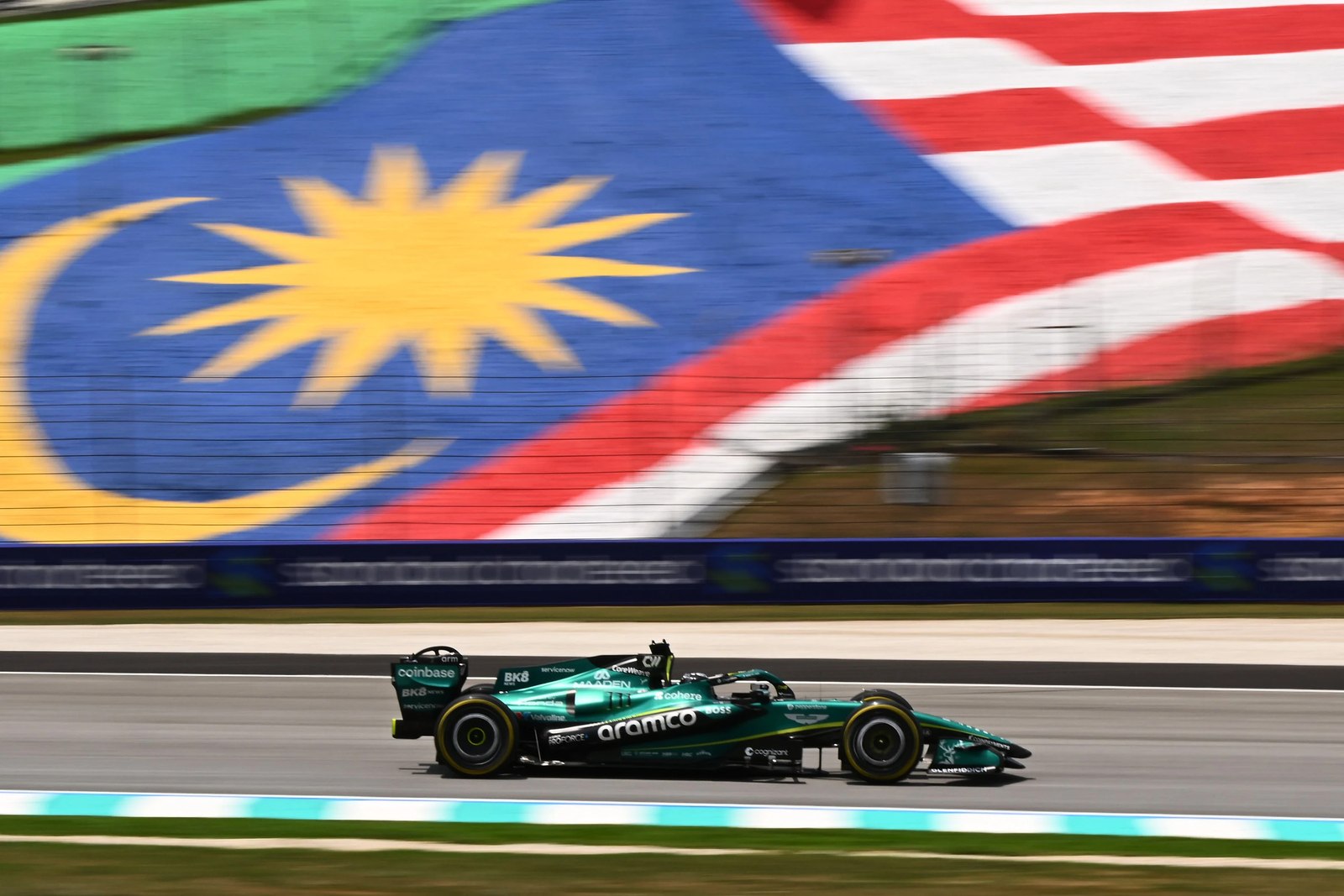
Alonso’s concern was that losing places on the opening straights, then lacking the speed to pass back, could prevent good tyre preservation from producing positions. He felt it was easier to control the pace and manage tyres when running ahead with a gap, whereas being trapped behind a rival could heavily compromise the race.
October 4 race: recovering points after falling back
The October 4 race began on a track with both wet and dry sections after rain. Alonso started on mediums, while Stroll changed to intermediates before the standing start. The team recorded Stroll thirteenth and Alonso sixteenth at the end of lap 5. Both later used the Safety Car to switch to hards. The race had not followed the hot, dry conditions anticipated after qualifying.
Alonso passed Esteban Ocon on lap 36, then Lindblad four laps later to enter the points. George Russell’s retirement and trouble for Lando Norris subsequently helped him reach eighth. He defended against Norris in the closing laps to secure 4 points, while Stroll finished twelfth.
Times from the two qualifying sessions
| Driver | Q1 time | Q1 margin over fastest eliminated driver (s) | Q2 time |
|---|---|---|---|
| Fernando Alonso | 1:37.721 | 0.249 | 1:37.220 |
| Lance Stroll | 1:37.729 | 0.241 | 1:37.566 |
INKA SPORTS analysis and conclusion: how qualifying progress became race points
Both Q1 laps support the first part of Aston Martin’s improvement; two rivals without Q2 times then influenced the next session’s order. Alonso also beat Sainz, so twelfth did not arise solely from missing times behind him. The remaining Q3 gaps of 0.406 and 0.752 seconds nevertheless show that a double Q2 appearance did not put the team among the front-runners.
Alonso’s race showed why a forecast centred on starting position had to allow for changing track conditions. Alonso did fall back initially, yet recovered points through later on-track passes and problems for rivals, before defending successfully at the end. Changing wet and dry conditions and Safety Cars altered tyre choices and race rhythm. Eighth place therefore does not show that the straight-line weakness vanished, nor that holding the grid position was the only route to points.
Sepang delivered progress over one lap and in the race: both cars cleared Q1, and Alonso then recovered points after the difficult start. The drivers’ explanation of the layout and the specific overtakes show a team using a venue better suited to its existing car, then taking opportunities to recover and defend positions as wet conditions turned dry, achieving its best race result of the season.