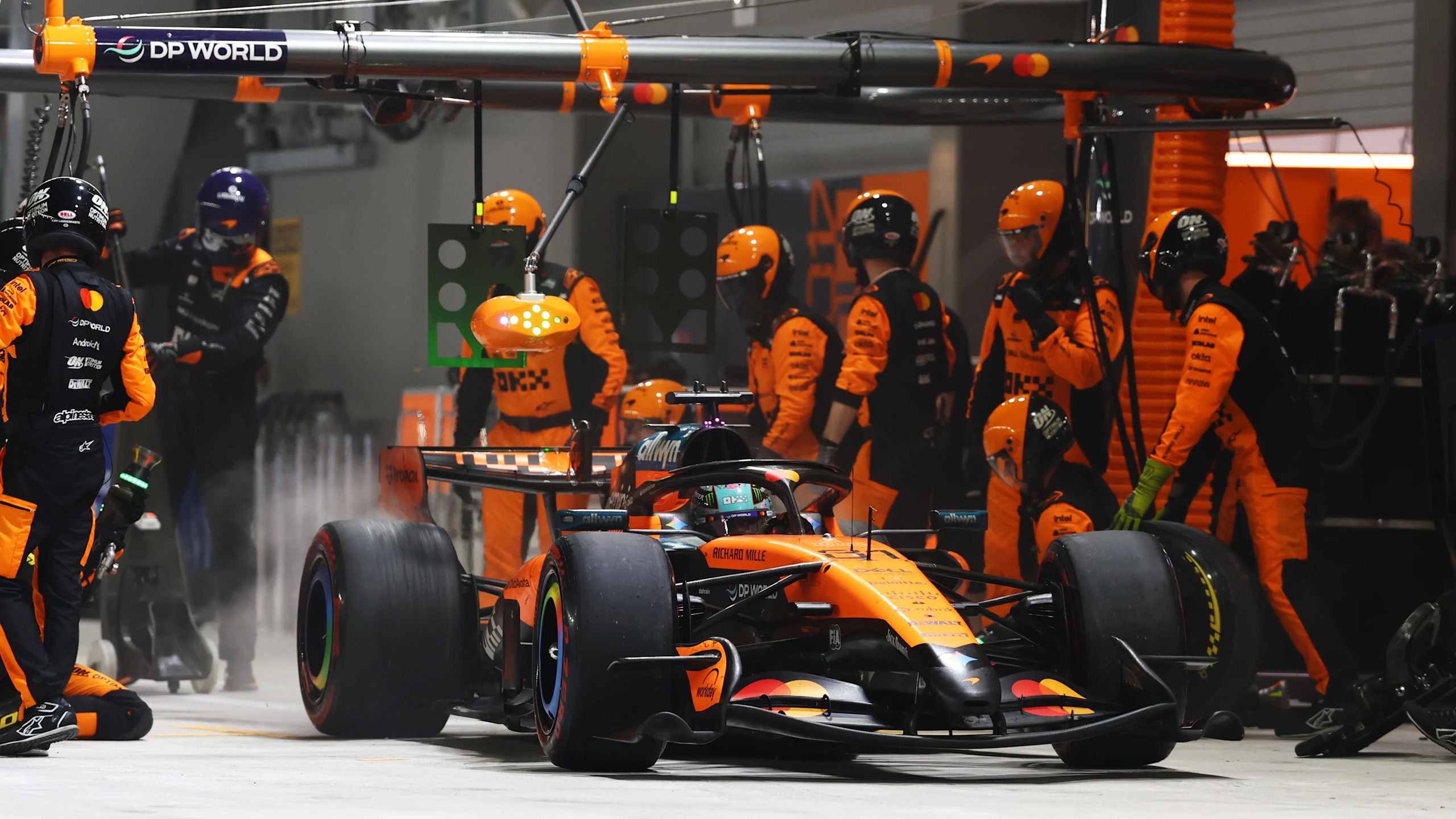
McLaren Team Principal Andrea Stella believes Piastri needs to change a previously successful approach to suit the 2026 car. In an interview reported by RacingNews365 on October 15 China Standard Time (UTC+8), he called adaptation technical and said further downforce—the aerodynamic force pressing a car down—might not make the MCL40 easier to drive.
Clean and fast are harder to combine in the MCL40
Stella said speed requires more proactive driving than last year, describing increased intensity of inputs. Piastri must first understand that requirement.
He recalled Piastri's best data being clean, repeatable and fast together, qualities harder to combine this year. He therefore wants changed habits and more active control.
“Clean” describes driving inputs and their data. Stella sees adaptation difficulty as one reason Piastri has lost some competitiveness relative to Norris.
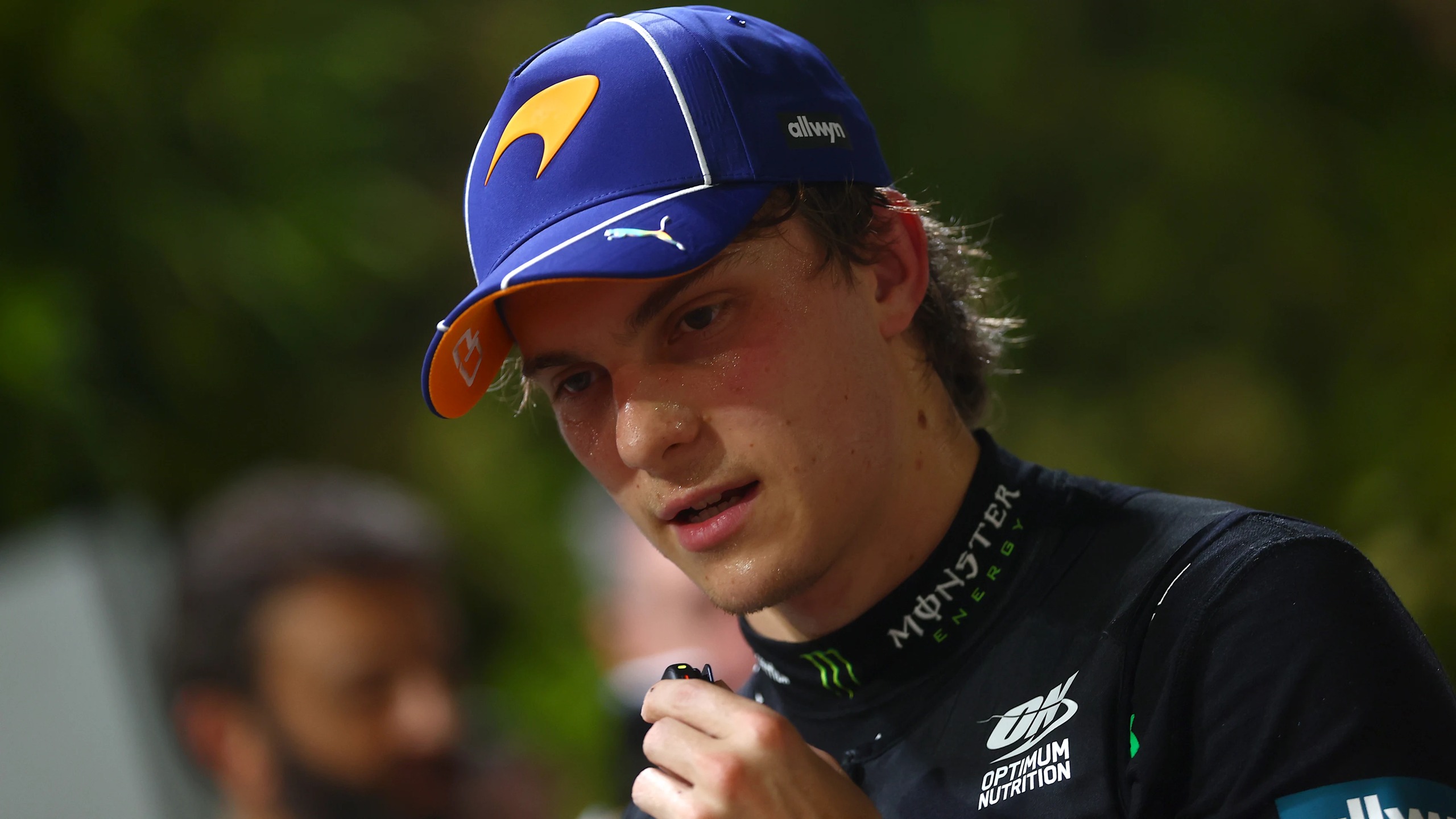
This year's upgrades and next year's changes are separate tasks
Stella confirmed late upgrades without expecting them to improve these characteristics. More downforce would not achieve the fundamental change required; longer-term work points to the 2027 MCL41.
F1 data: McLaren narrows its benchmark gap by 0.43 seconds
F1's analysis published October 17 China Standard Time (UTC+8) compared Australia and Singapore. McLaren's gap to reference team Mercedes narrowed by 0.43 seconds, the same improvement as Ferrari. It compares relative performance across events, not a direct subtraction of different circuits' lap times.
INKA SPORTS analysis: Performance progress may not ease the driving task
F1's 0.43 seconds describes team competitiveness; Stella discusses extracting speed. The chart does not separate Piastri's and Norris' driving, so it shows a relative team change without testing whether both access it equally easily or identically.
Stella's upgrade distinction is crucial: more downforce continues, but he does not expect it to fix these traits. Piastri's adaptation must proceed alongside development; better relative performance does not restore old habits automatically. That explains progress alongside a longer-term fundamental handling plan.
Conclusion
McLaren's reduced benchmark gap shows progress in this comparison, while Piastri's adaptation needs separate resolution. Stella distinguishes this year's load increases from next year's fundamental work, without expecting imminent upgrades to restore familiar feel. Future judgment requires driver feedback, track and setup conditions.