The San Antonio Spurs beat the Dallas Mavericks 112-111 at home on November 4. Victor Wembanyama finished with 52 points, 24 rebounds and eight blocks as San Antonio secured a sixth consecutive victory and moved to 6-2. Dallas finished the game with a 4-4 record.
A 17-point half-time lead comes under pressure
San Antonio led 32-26 after the first quarter and scored 36 in the second to reach half-time 68-51 ahead. Dallas fell 19 points behind at 73-54 early in the third, but recovered to win the quarter 29-22 and cut the deficit to 90-80 before the fourth.
Washington puts Dallas ahead; Wembanyama answers
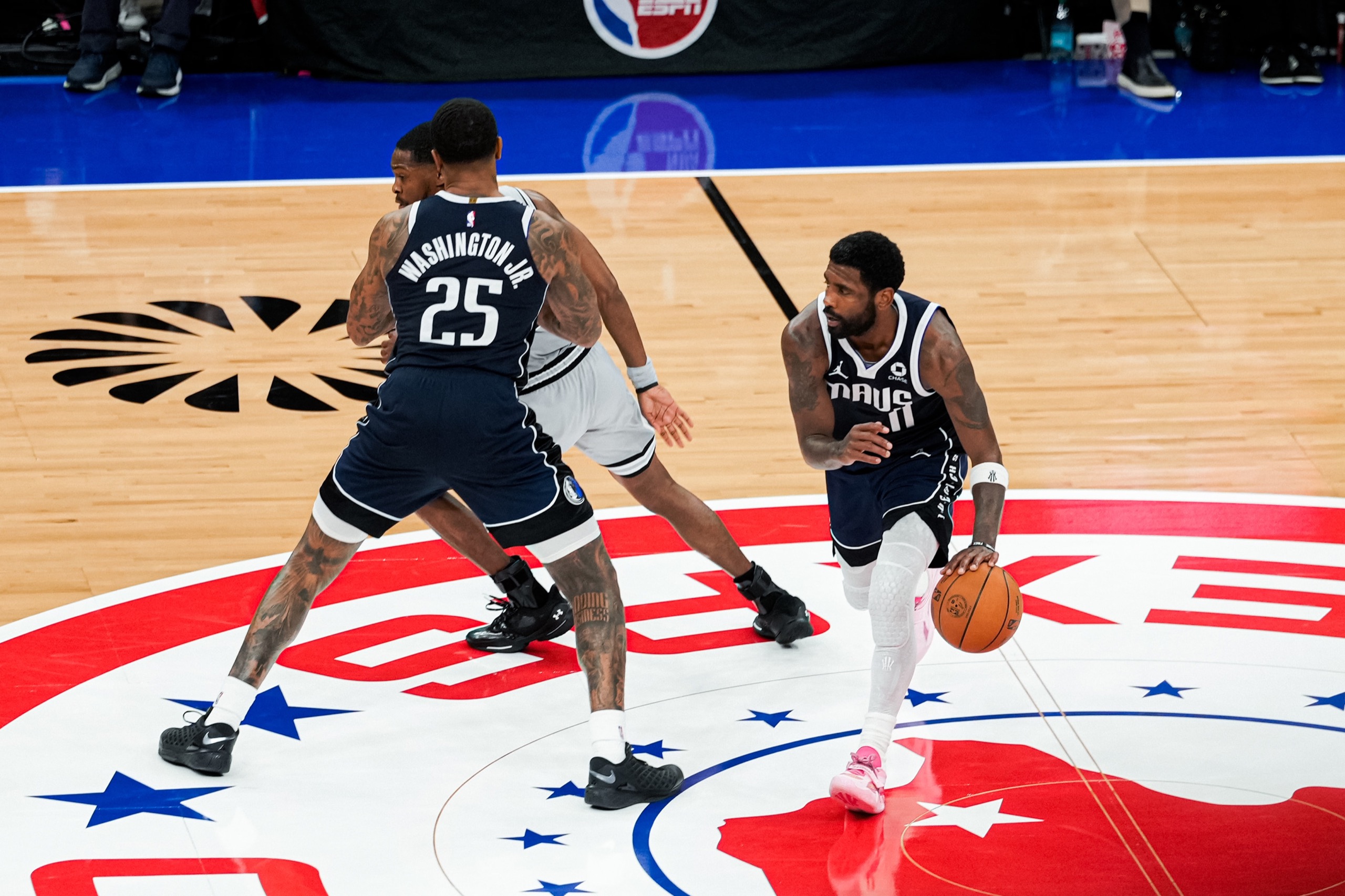
With 5:36 left in the fourth, a P.J. Washington three-pointer put Dallas ahead 103-100.
Wembanyama immediately answered with his only three-pointer of the game to make it 103-all, scoring ten points down the stretch. The teams later reached 111-all before he made one of two free throws with 24.2 seconds left for the game’s final point. Dallas used a timeout and put the last possession in Kyrie Irving’s hands, but his jumper missed and San Antonio held on 112-111.
| Team | Points | Field goals made | Free throws |
|---|---|---|---|
| Spurs | 112 | 37 | 33/39 |
| Mavericks | 111 | 39 | 19/26 |
INKA SPORTS Analysis and Summary: where San Antonio found points when threes failed
San Antonio made only five of 36 threes, while Dallas hit 14 of 37, a 27-point difference from outside. The Spurs stayed in contention because another scoring route remained productive. Wembanyama shot 16-for-28 overall and one-for-eight from three, leaving 15 makes from 20 two-point attempts. His success closer to the basket gave San Antonio a source of made shots when its outside shooting failed. The team led 62-40 in paint points and scored 14 more points at the line, keeping its offence functioning despite the missed threes.
A 61-50 rebounding advantage did not mean the Spurs dominated second-chance scoring: Dallas actually led that category 28-24. San Antonio’s more specific strengths were Wembanyama’s efficient two-point finishing and the team’s scoring at the line, followed by the timely response at 103-all and the final free throw. This was a way to keep scoring on a poor three-point night, but the one-point margin shows that it still left the result dependent on the closing possessions.