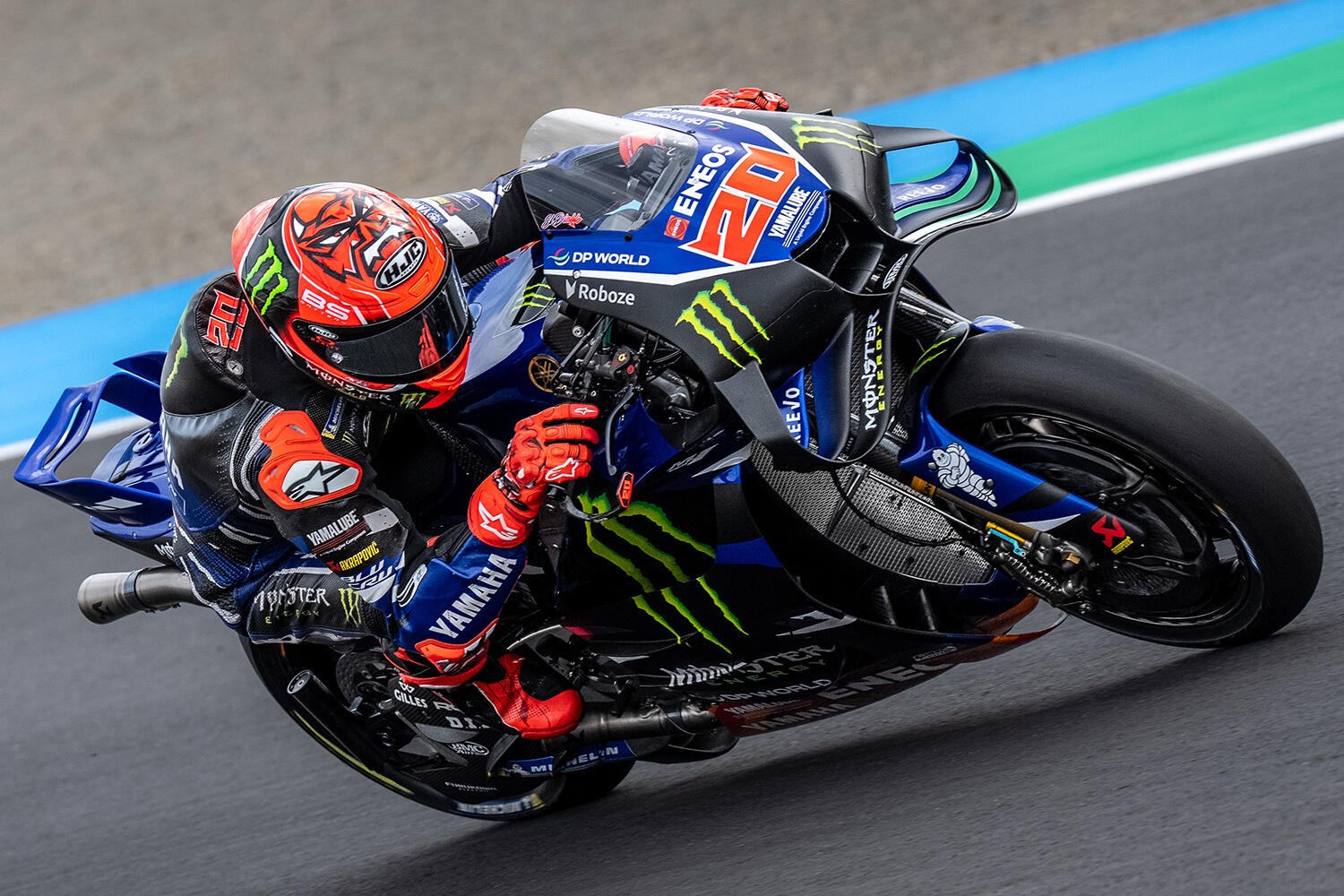
Fabio Quartararo started and finished 12th in the MotoGP Japanese Grand Prix on 4 October 2026. He said he had to manage fuel consumption from lap seven, restricting his use of the throttle on the straights. During the 24-lap race at Motegi, he initially dropped to 16th before recovering positions.
Fuel saving on three straights from lap seven
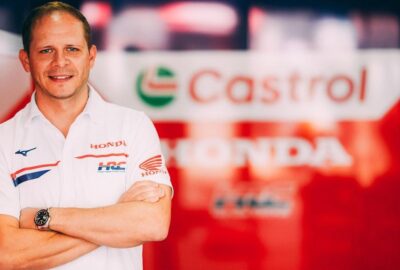
Yamaha Team Director Massimo Meregalli confirmed that Quartararo had to control fuel consumption for most of the race. Quartararo felt he could have ridden faster, but had to be particularly careful with the throttle. He remained satisfied with his own riding.
Quartararo specified that he was using about 70% throttle from Turn 2 to Turn 3, on the back straight and on the main straight. His description concerned throttle use on those straights, showing how fuel saving affected sections where sustained acceleration would normally be required.
He said he had to close the throttle even in another rider’s slipstream, with the situation becoming more difficult outside it. A slipstream is the airflow behind a moving vehicle. Following a rival still required him to manage consumption, combining the demands of closing the gap and retaining sufficient fuel.
The incidents behind his position gains
Over the opening three laps, Quartararo dropped from 12th to 16th. On lap five, Johann Zarco’s double Long Lap penalty and Fabio Di Giannantonio losing ground allowed him to recover two places. These early changes preceded the lap-seven fuel issue he described. A Long Lap penalty sends a rider through a designated detour, costing time and potentially positions.
Diogo Moreira’s retirement on lap nine moved Quartararo into 13th. Álex Márquez’s crash on lap 19 brought another place, and he finished 30.867 seconds behind the winner. Teammate Álex Rins was 16th. Yamaha’s account linked these gains to a penalty, a rival losing ground and retirements ahead.
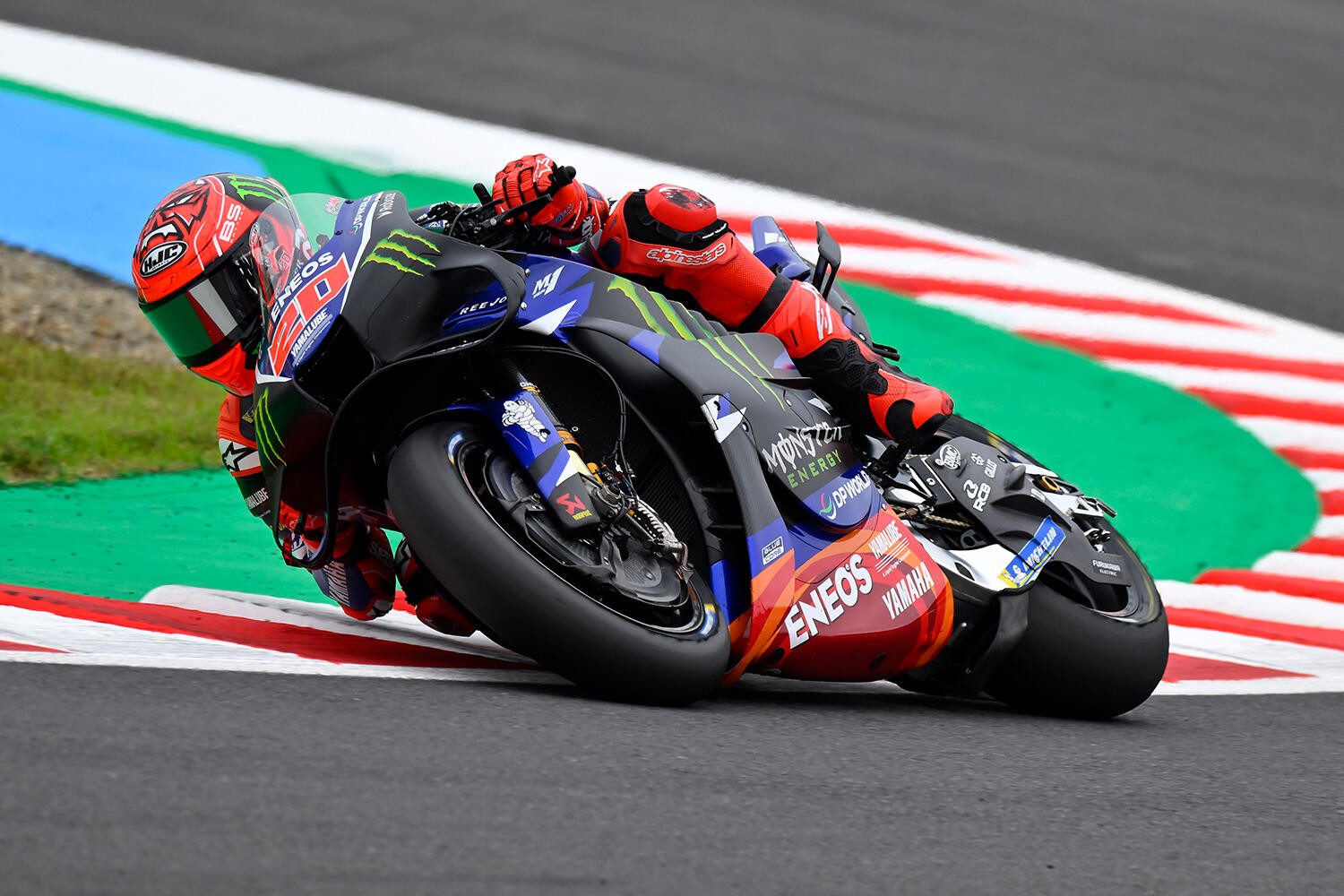
Quartararo felt he might have been able to finish ahead of Brad Binder and Luca Marini, who were classified 11th and 10th respectively. That assessment conveyed his feeling about the available pace, while fuel management restricted his freedom to use the throttle when fighting for further positions.
An on-track pass in Indonesia
After Japan, Meregalli said the following Indonesian round would allow the team to crosscheck its Motegi findings at a different type of circuit. In the Mandalika Grand Prix on 11 October, Quartararo again started 12th and finished ninth.
Early crashes for Fermín Aldeguer and Francesco Bagnaia brought Quartararo into the top ten in Indonesia. He then caught Marini and passed him with nine laps remaining, eventually finishing 0.159 seconds behind eighth-placed Di Giannantonio. Afterwards, he discussed his braking feel and tyre wear over the final five laps, while expressing satisfaction with the race.
INKA SPORTS Analysis and conclusion, sustaining an attack after closing in
Position gains and fuel restrictions affected the Motegi race through different mechanisms. Incidents ahead moved Quartararo up the running order. Making a pass also required him to sustain acceleration after closing in and reach an attacking position. His account of restricted throttle on three straights, including while using a slipstream, explains the constraint on that latter phase.
The position losses were already evident by lap three, giving them a separate place in the chronology. Fuel pressure from lap seven constrained the subsequent chase and attempts to attack. Catching and passing Marini in Indonesia provided a later example of an actual on-track contest. The circuits, race sequences and tyre conditions differed, and comparable technical data on fuel consumption and throttle use remained unavailable.
Understanding Quartararo’s 12th place therefore requires both the way positions were gained and the throttle use available to him. Events ahead helped his Motegi recovery, while his own account of the straights explained the limits on attacking. The Mandalika pass adds subsequent evidence and grounds the comparison in specific racing sequences.