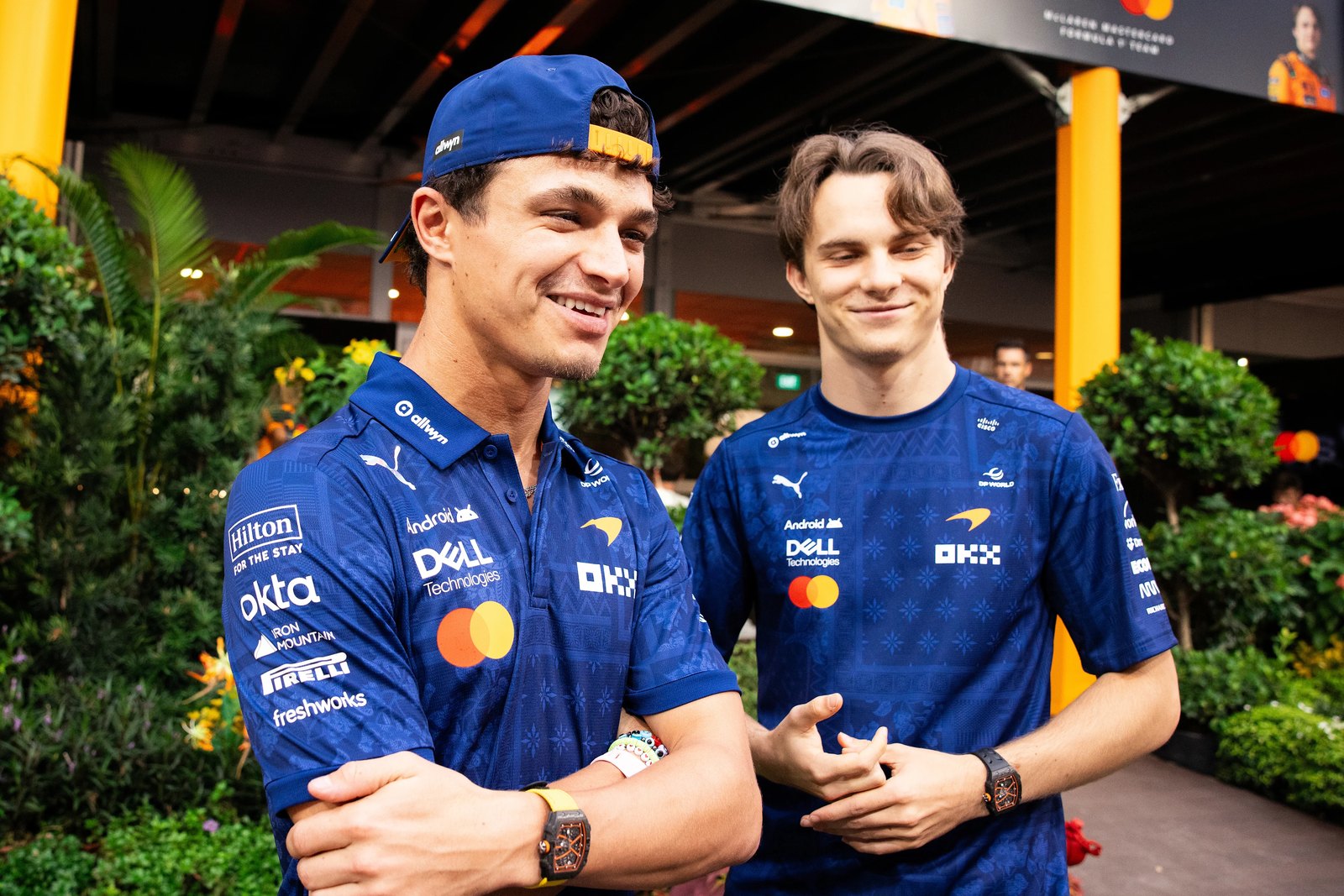
McLaren has not withdrawn permission for its drivers to compete after their Singapore Sprint collision. At United States Grand Prix media day on October 22, Lando Norris said he and Oscar Piastri could still race each other but must avoid further contact. For Austin, the team must address both the boundaries of on-track competition and more consistent MCL40 performance.
Permission to race depends on avoiding further contact
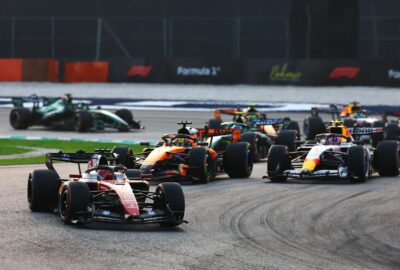
Norris and Piastri collided on the final lap of the Singapore Sprint. The stewards deemed it a racing incident, while Norris subsequently still accepted his responsibility. An F1 article published on October 23 recorded his Austin response: the team had held serious discussions, but both drivers remained free to race.
He also said Singapore could not be repeated, nor could their first-corner collision in the previous year's United States Sprint. He placed both incidents under one requirement: the right to fight for position remains, but both must avoid contact as far as possible.
Norris wants a car that is easier to drive
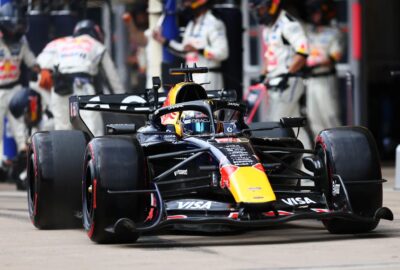
The discussion comes amid fluctuating McLaren form. Norris won consecutively in Hungary and the Netherlands, but emphasized that pushing the car to its qualifying limit had also been difficult then. In his view, producing a good result did not mean the car offered an easy, consistent operating window.
Norris still believes another win is possible this season but wants a faster car. His request for next year extends beyond lap time: the car must also be easier to drive. That assessment of its characteristics is a separate issue alongside whether the teammates may race each other.
Piastri's progress comes through a different adaptation approach
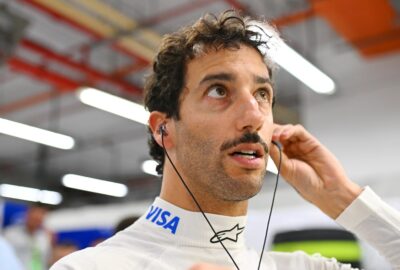
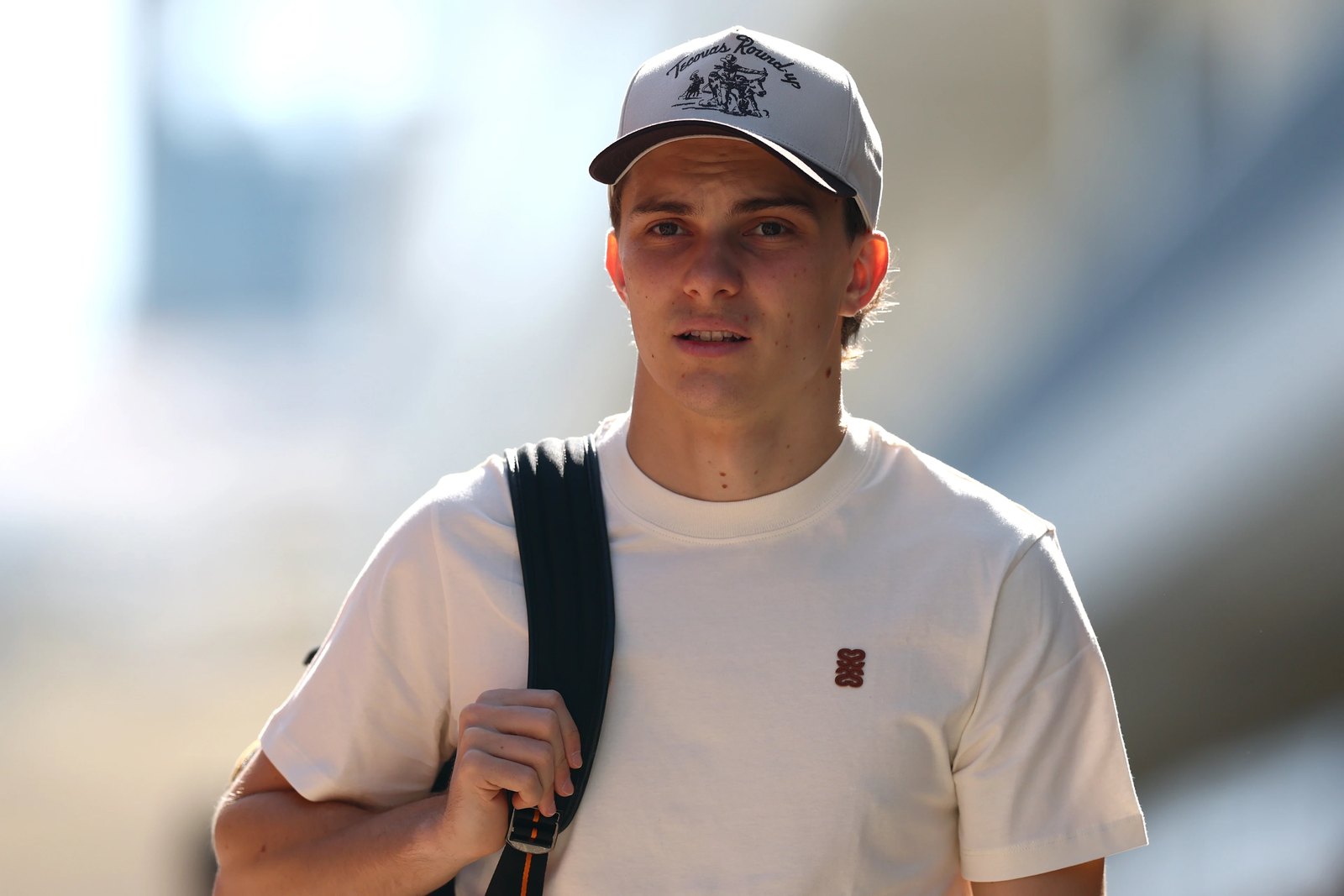
In a separate F1 article, Piastri said he had finally begun recovering his feel in recent weekends. He took podiums in Japan and Miami this year, then spent a long period outside the top three. He finished sixth and fifth at the latest rounds in Malaysia and Singapore.
Piastri explained that the driving approach which brought him speed last year had instead caused difficulties on many weekends this season. As the team tried different solutions, he adjusted his driving too. He felt he now understood the car's needs more clearly, though progress remained below the level he wanted.
Looking toward Austin, Piastri identified fast corners as a relative strength this year and slow corners as more difficult; the Circuit of the Americas includes both. He noted that new parts were coming and hoped they would help, without treating their effect as proven.
INKA SPORTS analysis: Racing boundaries and the driving window need separate solutions
Their comments show that McLaren's problems cannot be reduced to the teammate relationship. Avoiding collisions determines whether both cars convert existing competitiveness into results; difficult handling affects repeated access to the limit. Norris' call for better drivability and Piastri's improvement through changing his approach reflect different adaptation tasks posed by the same car.
Conclusion
Austin therefore has two tests: whether continued competition respects the no-contact boundary, and whether McLaren finds more consistent performance across fast and slow sections. Post-Singapore discussions preserved room to race, while Piastri's recent progress offered positive feedback. The weekend's actual running must establish how much the new parts help.