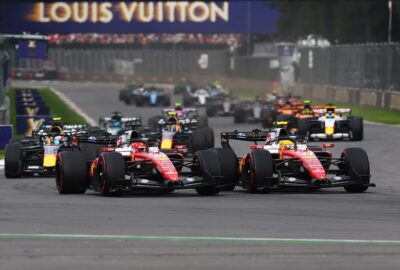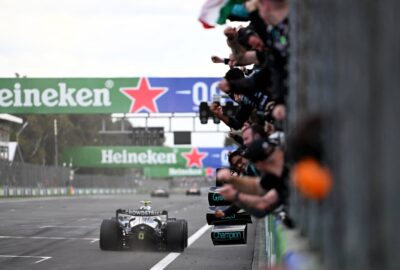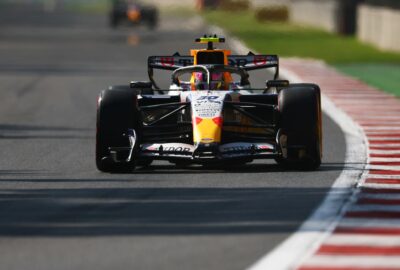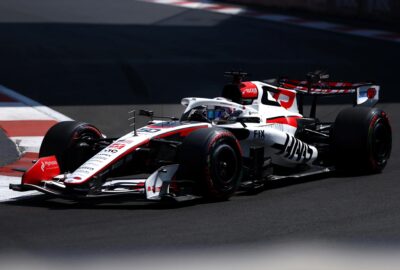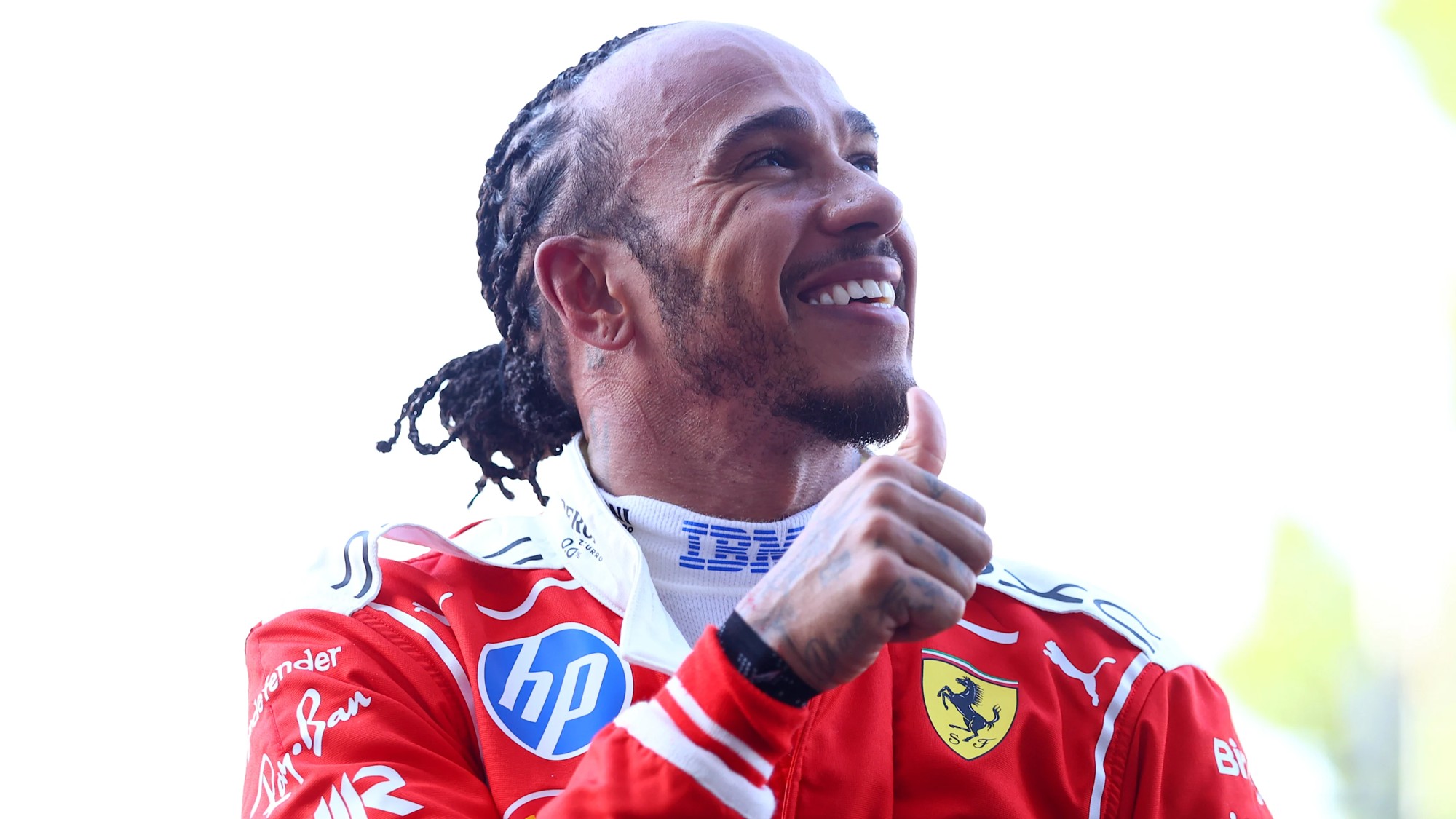
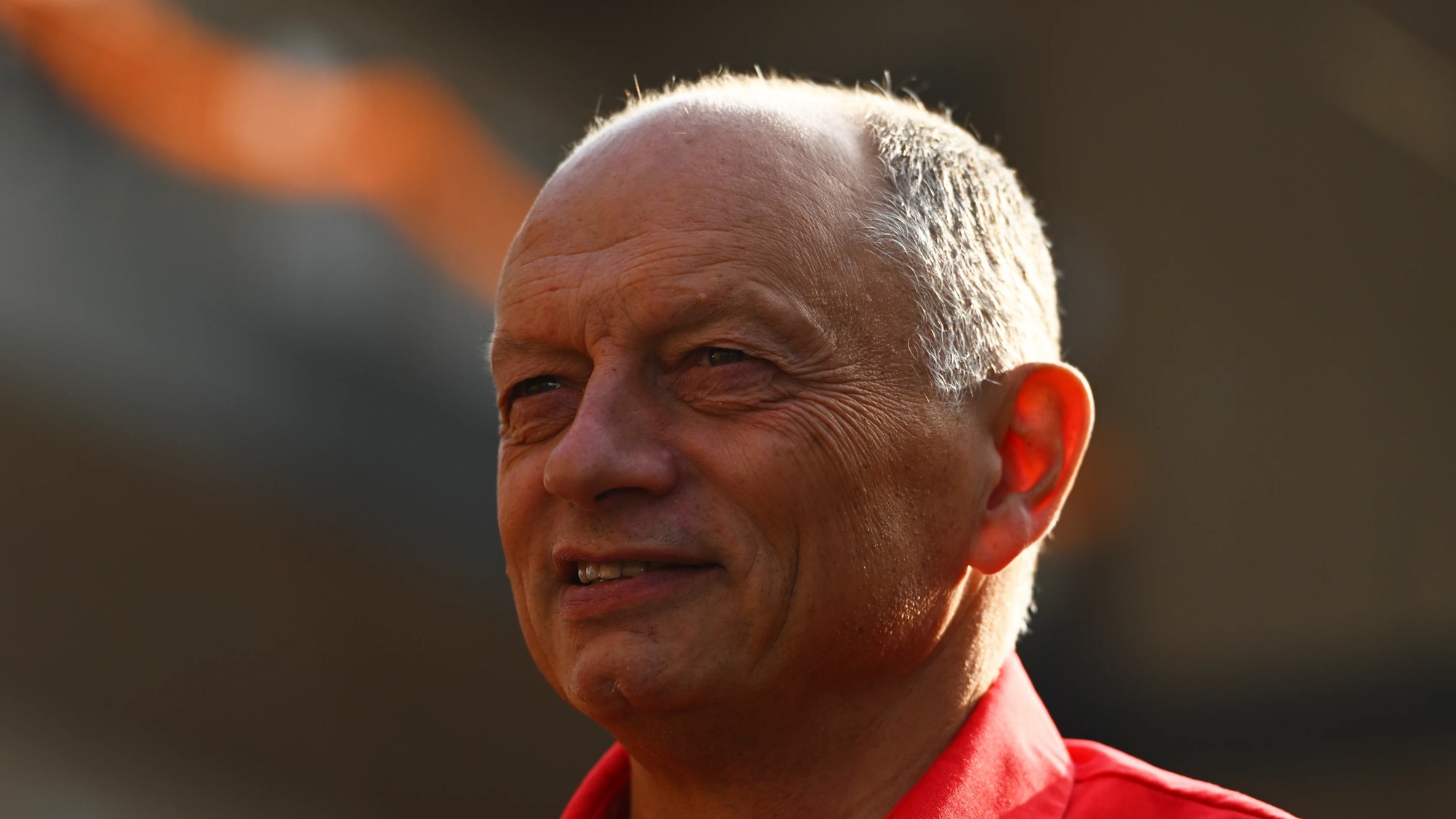
After Lewis Hamilton secured his first Grand Prix pole for Ferrari and Charles Leclerc qualified third, Fred Vasseur turned his attention to the opening phase of the Mexico City race. In an interview published by Formula1.com on November 1, the team principal praised Hamilton’s qualifying work and stressed the importance of reaching Turn 1 ahead and securing clean air.
The FIA’s final qualifying classification records Hamilton’s 1:16.514, 0.009 seconds ahead of George Russell, with Leclerc 0.119 seconds behind his team-mate. The FIA’s final starting grid confirms Hamilton in first and Leclerc in third. Vasseur noted that this was also the team’s first pole of 2026, after qualifying had proved more troublesome than its race performances.
Turning the final corners into a starting advantage
Vasseur attributed Hamilton’s decisive lap to tyre management: maintaining performance while preserving enough tyre condition for the final corners, rather than overheating everything before Turn 12.
He considered Leclerc’s first Q3 attempt very good, but felt the final run involved pushing harder and making one or two errors. Leclerc nevertheless produced a very quick final sector. Vasseur also saw third, on the left-hand side of the grid, as a reasonable outcome.
Leclerc’s own assessment was more direct. In a separate Formula1.com interview, he accepted that he had not delivered a sufficiently good lap when it mattered. In particular, a relatively clear out-lap before his final Q3 attempt had not translated into a better timed effort, leaving him angry with himself.
He also explained why he felt Mexico suited Ferrari: the car was strong in the corners, while a power deficit and probably greater drag cost it on the straights. At high altitude, he believed those straight-line disadvantages were reduced.
For the race, Vasseur felt the team’s pace looked good but prioritised being ahead at Turn 1 to obtain clean air. Leclerc likewise considered the car competitive, yet his FP2 experience left him concerned that overtake mode offered limited help and that passing after Turn 3 would be difficult.
INKA SPORTS Analysis: Ferrari must convert its grid positions at the start
That gives first and third on the grid a specific value. Ferrari can contest the leading positions immediately, but the long run from the start also offers following cars a tow. Vasseur’s emphasis on Turn 1 reflects the need to retain the qualifying advantage through that opening contest before it can deliver the race conditions he wants.
There are still limits to Ferrari’s optimism. Hamilton explained after qualifying that Friday’s engine problem had cost him his long run. Vasseur’s overall assessment of the team’s speed and Hamilton’s lack of a personal heavy-fuel sample can both be valid: one is a competitive judgment, the other a concrete gap in race preparation.
Summary
Qualifying ended Ferrari’s wait for a 2026 pole and placed both cars favourably for the start. The next questions are whether those positions can be converted through the first corner and how Hamilton responds without his usual long-run preparation. Tyre management helped deliver one lap; the race will also demand a strong opening and sustained pace.