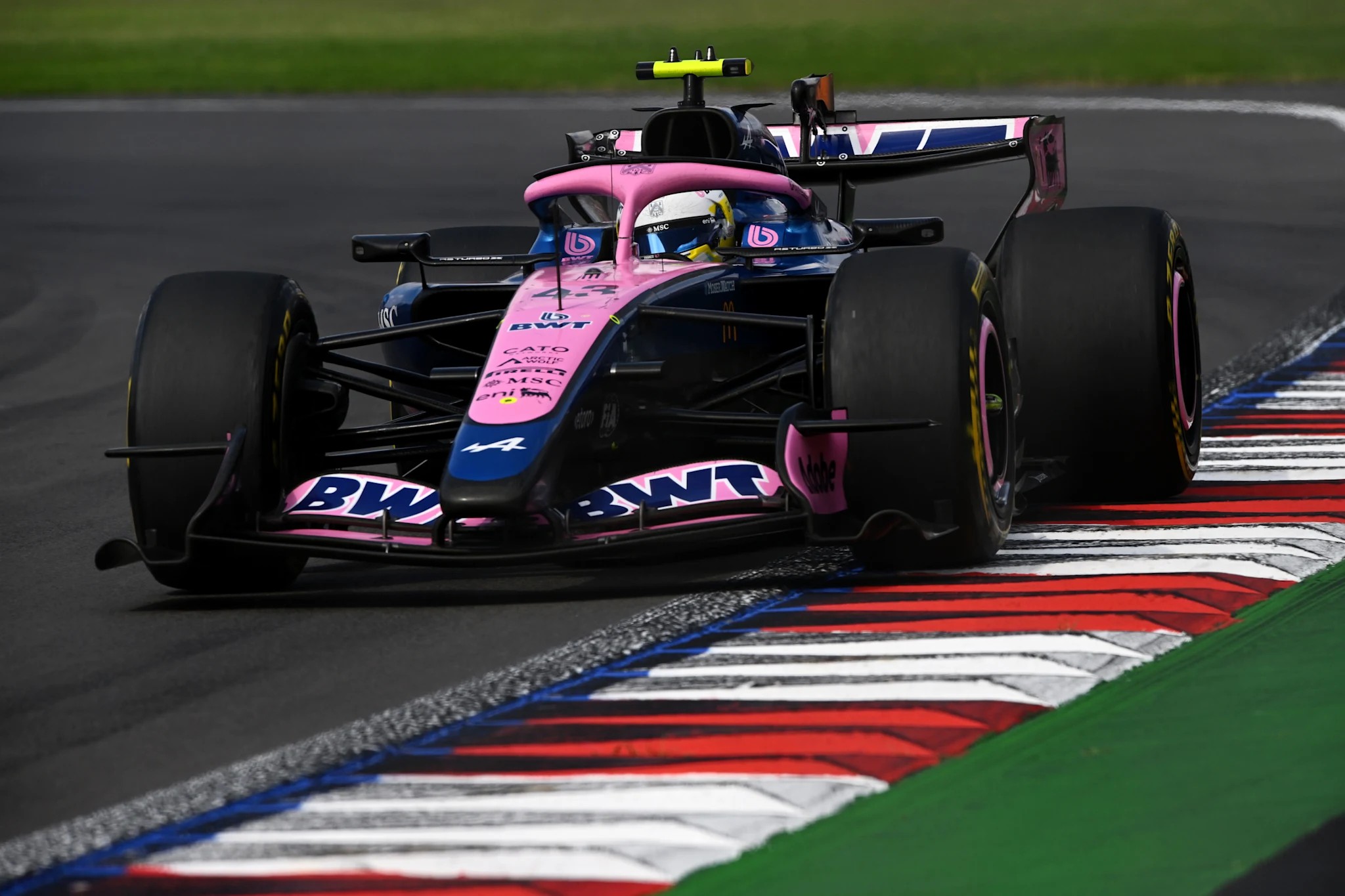
Both Alpine drivers have lost their points from the 2026 Mexico City Grand Prix after penalties for insufficient slowing under yellow flags. Franco Colapinto is 15th after ten seconds were added, while Pierre Gasly is 17th after a stop-and-go was converted to 30 seconds. Isack Hadjar and Ryo Hirakawa move to ninth and tenth, giving Hirakawa one point on his F1 debut.
Separate decisions for single and double yellow flags
FIA Documents 84 and 85 concern Gasly and Colapinto respectively. Both record the incident time as 16:04 in Mexico on November 1, but address different yellow-flag requirements. Final Classification 86, issued at 19:50 local time, includes both penalties and Oscar Piastri’s ten-second sanction.
Colapinto’s infringement was in a single-yellow sector. The driver and team presented telemetry and photographs which they said showed a reduction in speed and readiness to change direction. After detailed examination of telemetry and onboard footage, the stewards remained unconvinced that the reduction was sufficient. Car 43 received ten seconds after the race and the driver one penalty point.
The same decision treats the preceding double-yellow sector separately. The stewards considered there to be sufficient doubt that Colapinto had received enough warning and did not find a breach in that sector. His punishment therefore rests on the single-yellow infringement that they established, rather than a finding against him in both sectors.
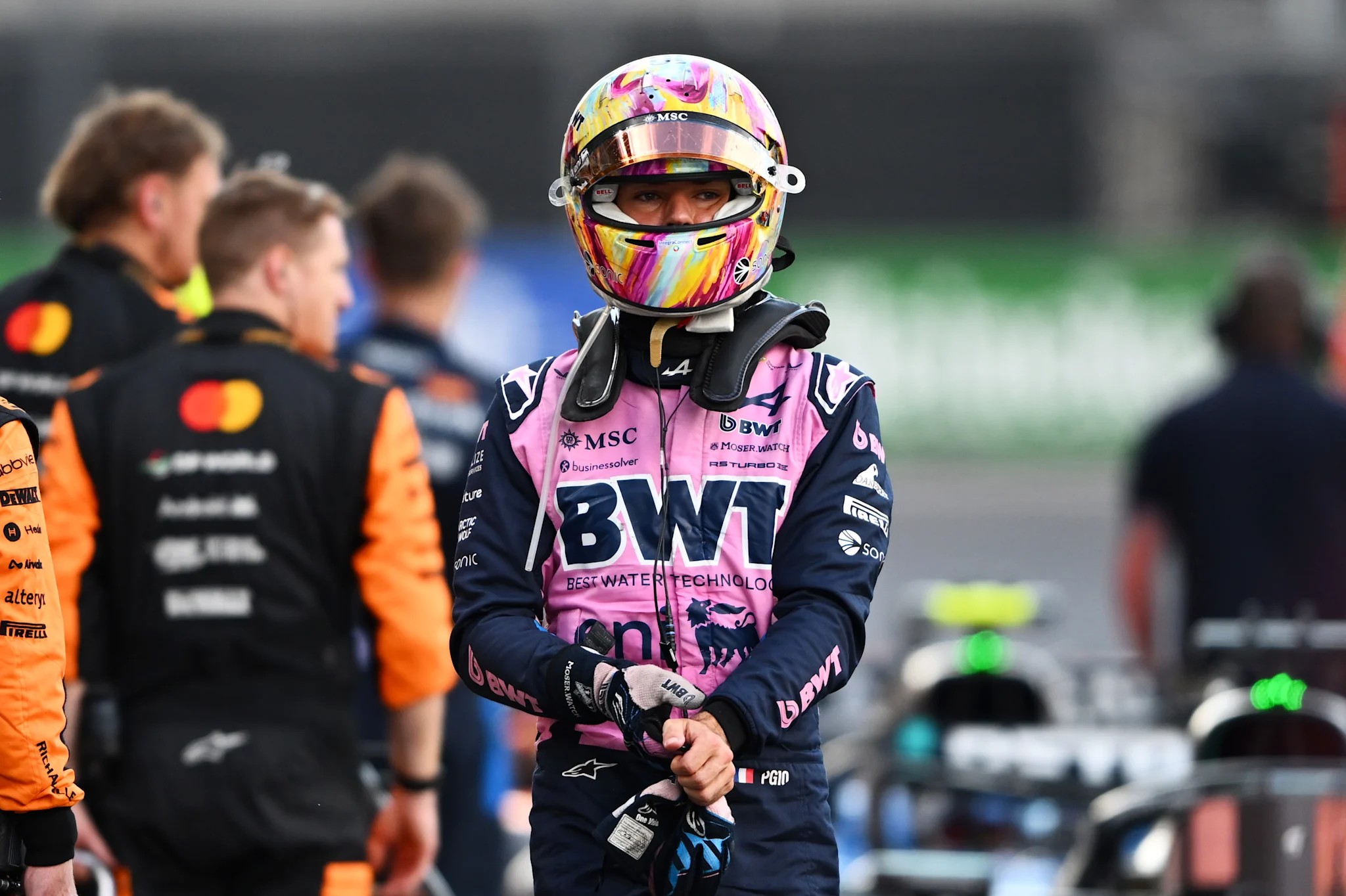
Gasly was found not to have slowed sufficiently in a double-yellow sector. He and Alpine argued that his reduction had been significant, but examination of his telemetry and that of other cars led the stewards to find that the small reduction did not satisfy the requirement. Car 10 received a post-race stop-and-go, explicitly converted to 30 seconds in the final classification, and the driver two penalty points.
The final order and the points cutoff
The sanctions changed both Alpines’ elapsed times. Colapinto’s original deficit of 20.204 seconds became 30.204, while Gasly’s rose from 21.483 to 51.483 seconds. The final classification places them 15th and 17th, removing the double points finish Alpine had worked towards.
The last four points positions are now Liam Lawson seventh, Gabriel Bortoleto eighth, Hadjar ninth and Hirakawa tenth, worth six, four, two and one point respectively. Hirakawa, called in to replace Esteban Ocon for the remainder of the weekend, finishes his first F1 race in the points.
Piastri is 13th in the same final classification, still carrying his ten-second collision penalty. Applying only his own sanction had put him 15th, before the Alpine penalties changed the order of the cars concerned. Thirteenth does not mean that his collision sanction was rescinded.
| Final position | Car | Driver | Gap to winner (s) | Points |
|---|---|---|---|---|
| 7 | 30 | Liam Lawson | 20.899 | 6 |
| 8 | 5 | Gabriel Bortoleto | 22.041 | 4 |
| 9 | 6 | Isack Hadjar | 22.503 | 2 |
| 10 | 50 | Ryo Hirakawa | 25.373 | 1 |
| 13 | 81 | Oscar Piastri | 29.475 | 0 |
| 15 | 43 | Franco Colapinto | 30.204 | 0 |
| 17 | 10 | Pierre Gasly | 51.483 | 0 |
INKA SPORTS Analysis and Summary: Sufficient slowing and adjusted times
The yellow-flag decisions concern whether the speed reduction in each relevant sector was sufficient, rather than whether telemetry showed any reduction at all. The stewards separated doubt over Colapinto’s double-yellow warning from the established single-yellow offence; Gasly’s insufficient response to double yellows attracted the heavier sanction. Each conclusion follows its own sector and evidence.
The changed order also shows why a time penalty cannot be translated into a fixed number of lost places: the comparison involves the adjusted times of all affected cars. Alpine’s loss brings tangible points to Hirakawa’s debut and Hadjar’s race, while Piastri remains outside the scoring positions.