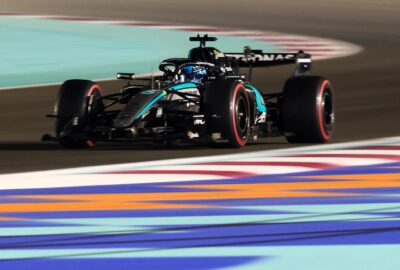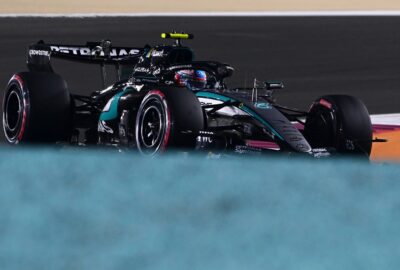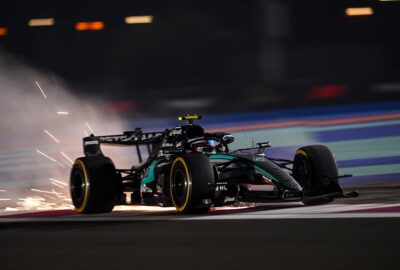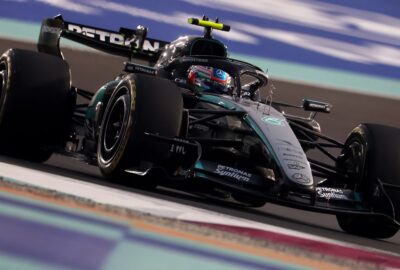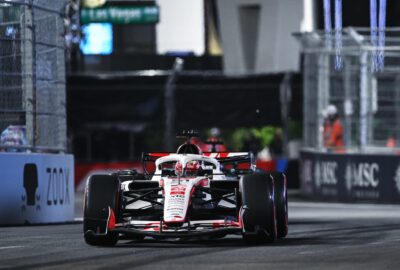
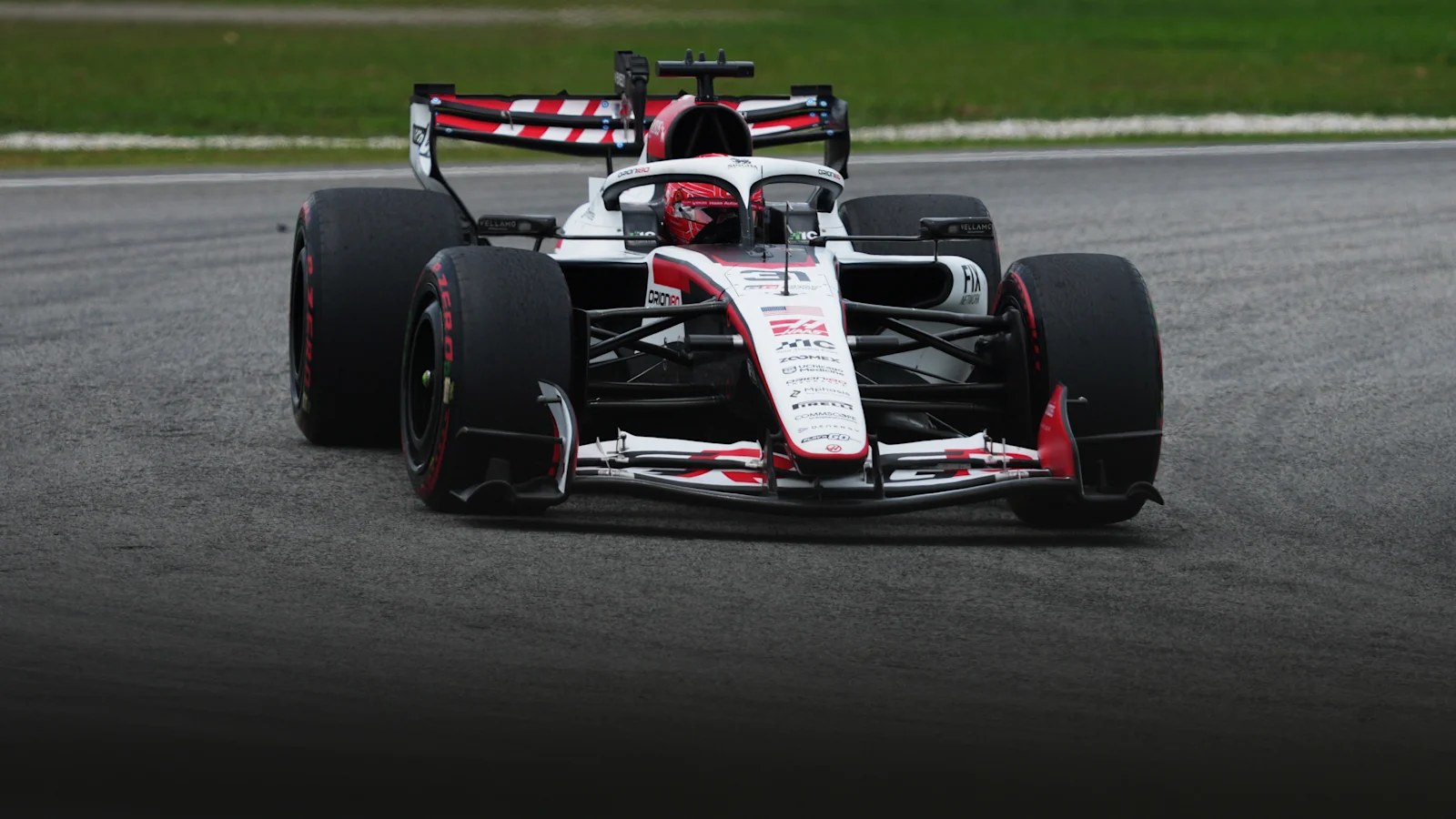
On 5 October 2026, Haas released its preview of the 2026 Singapore Grand Prix, round 17 of the F1 season. Marina Bay will host its first Sprint, scheduled for daylight hours. Combining a daytime Sprint with a night-time Grand Prix requires the team to adapt both to changing conditions and to the car’s behaviour over different race distances.
First daytime Sprint, with Marina Bay still testing endurance
Haas describes this as the sixth and final Sprint of the season. The daytime Sprint will be the first F1 race held in daylight at Marina Bay since the circuit joined the F1 championship in 2008.
The team lists close barriers, constantly evolving grip, and heat and humidity among the circuit’s characteristics. Repeated acceleration out of slow corners tests rear-wheel traction. Keeping the rear tyres within their working window affects a driver’s ability to keep pushing, while cooling the car’s components requires separate attention.
Head of Car Engineering Hoagy Nidd highlighted in the team preview that the combination of predominantly slow corners and hot conditions makes brake management challenging early in the race. Evening weather could also affect sessions. He also expected energy management to pose a challenge, with a relatively slow and long Grand Prix potentially approaching two hours.
Drivers hope upgrades deliver as fine-tuning continues
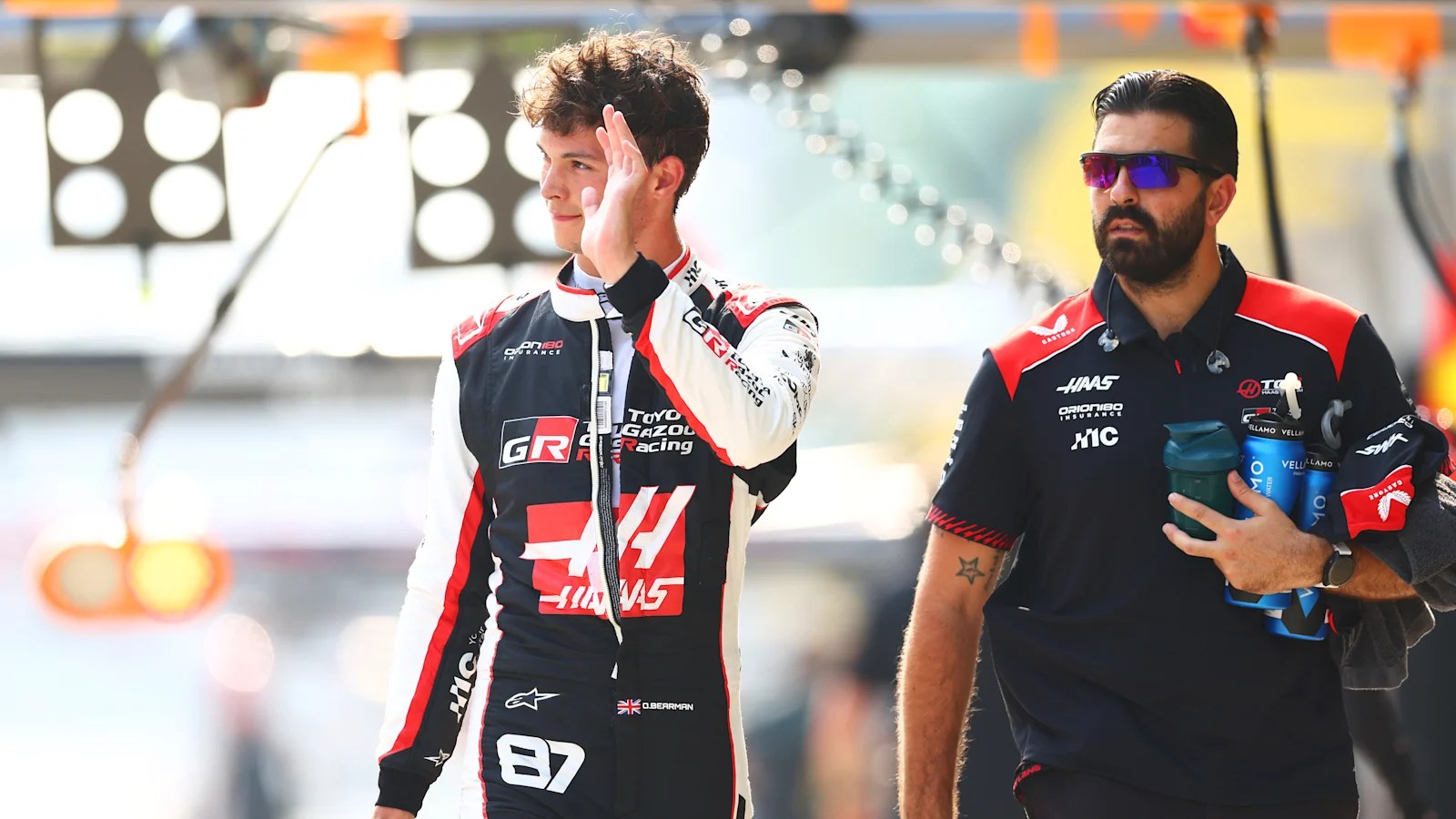
Oliver Bearman hopes to repeat ninth place from his Singapore debut in 2025, when he qualified ninth and finished in the same position. Esteban Ocon was 18th. Another points finish is Bearman’s concrete target for this weekend.
Bearman said he believes the recent upgrades have helped, with the team still fine-tuning the car to bring it into the right operating window. Ocon said that if the car performs properly, as it has on some recent weekends, Haas can join the fight. He wants the team to be competitive from the start of the weekend.
INKA SPORTS analysis and summary — daylight, night-time and race distance
Two kinds of change must be distinguished this weekend. First come the daytime and night-time environments. With component cooling and the rear tyres’ operating window already preparation priorities, tyre and cooling issues exposed in the Sprint need to be assessed against those conditions before being applied to the night race. Second comes race distance. Performance that is usable in a short race must withstand braking, traction and energy-management demands over a longer period.
The Sprint therefore offers both points and a racing sample that can expose problems early. Haas needs to distinguish feedback linked to setup from feedback dependent on daytime conditions or a shorter distance before deciding how to use it on Sunday. The fine-tuning Bearman described needs to connect issues found in daylight with the demands of the night-time Grand Prix as the team continues to adjust its upgraded car.