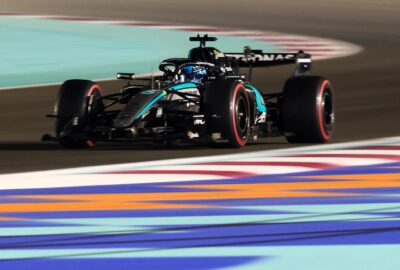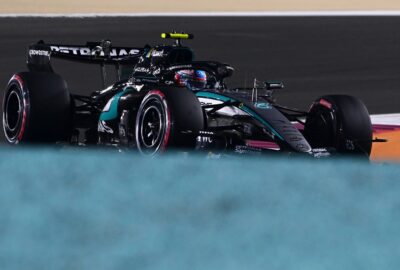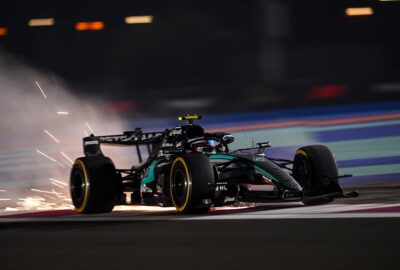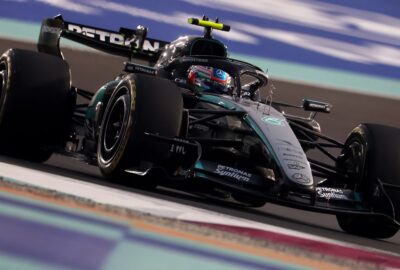
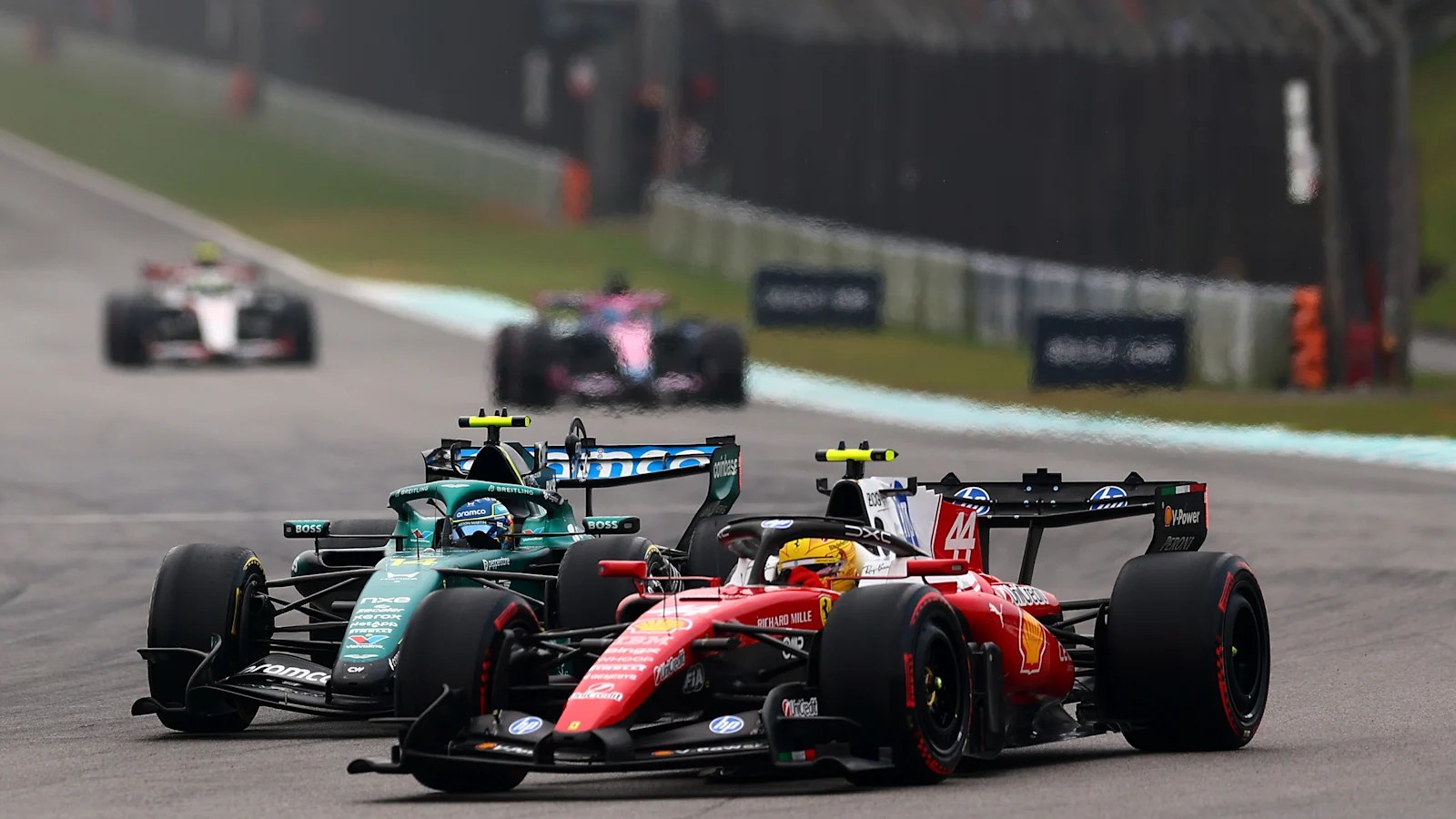
Fernando Alonso finished eighth in the F1 race at Sepang on 4 October 2026, earning four points for Aston Martin, while Lance Stroll took 12th. Both completed 55 laps. Starting on medium slicks put the team on the back foot, but Safety Car periods compressed the gaps, allowing Alonso back into contention before he defended his points position on the final lap.
Two recovery routes after the wet start
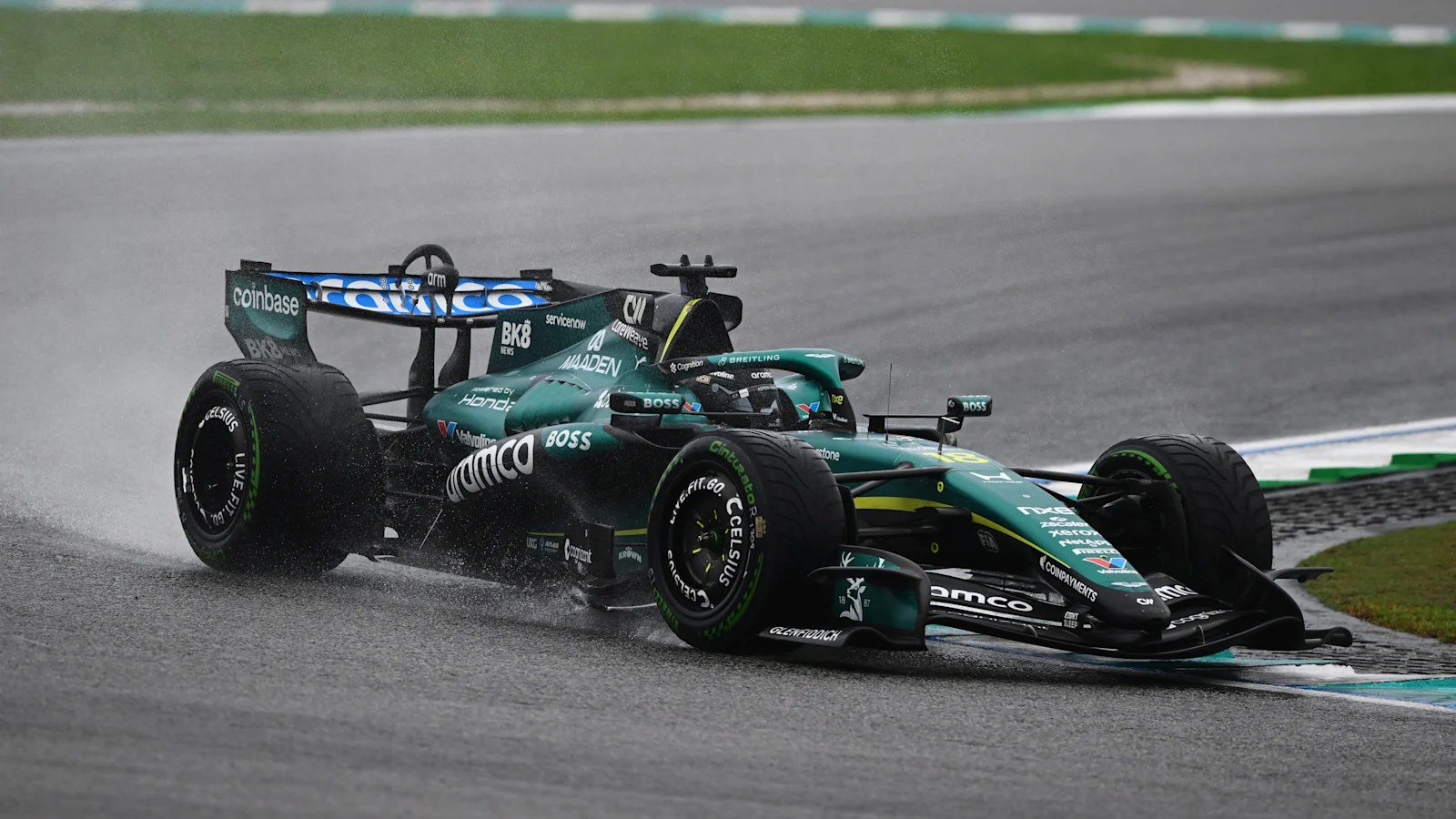
Torrential rain first delayed proceedings. During the initial Safety Car-led starting procedure, several cars suffered power-control software problems. Race Control showed the red flag and the field returned to the pits. By the second attempt the circuit had dried somewhat but retained slippery patches. The cars followed the Safety Car before a standing start.
Both Aston Martins chose medium slicks for the second attempt and subsequently lost positions on the wet circuit. Stroll pitted for intermediates before the standing start to recover immediate grip. Alonso continued on slicks while waiting for conditions to improve. Stroll said the slippery surface had surprised him and prompted the switch.
Valtteri Bottas went off in the final sector, bringing out the Safety Car on Lap 9. Regrouping the field offered an opening for drivers who had fallen behind. Alonso admitted that starting on slicks had made his race difficult and said the Safety Car allowed it to start again. He felt the team had taken a points opportunity that was rarely available to it.
Alonso subsequently used two sets of hard tyres. On Lap 43, Alexander Albon stopped, triggering a Virtual Safety Car that required the whole field to slow to a prescribed pace, before a full Safety Car led the pack. Alonso fitted new softs during that neutralisation. With the field together again, he needed to turn the renewed opportunity into a finishing position.
Holding eighth as the drivers assess different choices
Lando Norris was still putting Alonso under pressure on the final lap, but Alonso retained eighth. They finished 13.372 and 13.993 seconds behind the winner, a difference of 0.621 seconds. Stroll was 18.052 seconds behind the winner and 4.680 behind his team mate, finishing outside the top 10.
Stroll felt Sepang’s power and grip demands suited the car better. He also said the hard tyre was robust and that, in hindsight, he could have pushed harder on his second set, linking that judgment to losing some positions. Chief Trackside Officer Mike Krack called eighth the team’s best result of the season and requested a review of the rain, delayed start and race decisions.
| Position | Driver | Laps | Gap to winner | Points |
|---|---|---|---|---|
| 8 | Fernando Alonso | 55 | +13.372s | 4 |
| 9 | Lando Norris | 55 | +13.993s | 2 |
| 12 | Lance Stroll | 55 | +18.052s | 0 |
INKA SPORTS analysis and summary: converting the tyre opportunity after the Safety Car
Alonso’s opening came first from the change in the gaps. Staying on mediums meant accepting an immediate loss from insufficient wet-weather grip. Once the Safety Car compressed the field, those early losses had less influence on the remaining contest. Tyre changes and defence were then needed to retain position. Fitting new softs and holding off Norris connected the return to the pack with the eventual four points.
Stroll’s assessment concerns how the remaining performance of the hards was used. Pirelli explained that cooler conditions and prolonged dampness reduced thermal degradation, the performance loss caused by overheating. The hard performed consistently, while the soft offered more grip. Those conditions provide context for Stroll’s belief that he could have increased his pace. Preserved performance still needs an appropriate moment of attack to become track position.
Aston Martin’s four points followed a connected sequence of early difficulty, Safety Car regrouping, fresh tyres and late defence. Alonso converted the opening, while Stroll identified the intensity of his second hard-tyre stint as a specific review point. Their accounts show how tyre selection, judging usable performance and choosing when to attack had to work together in this race.