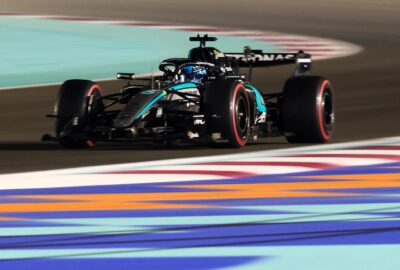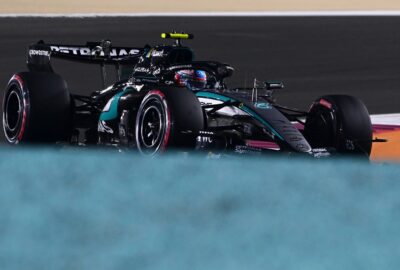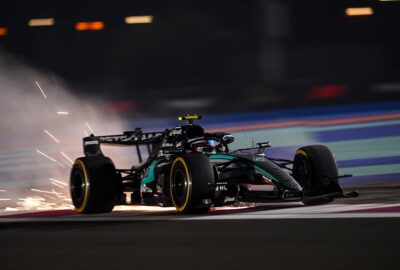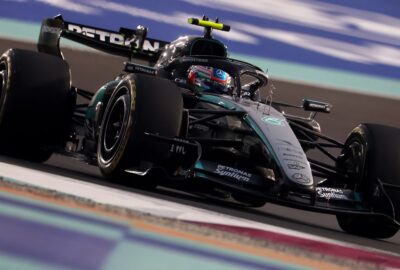
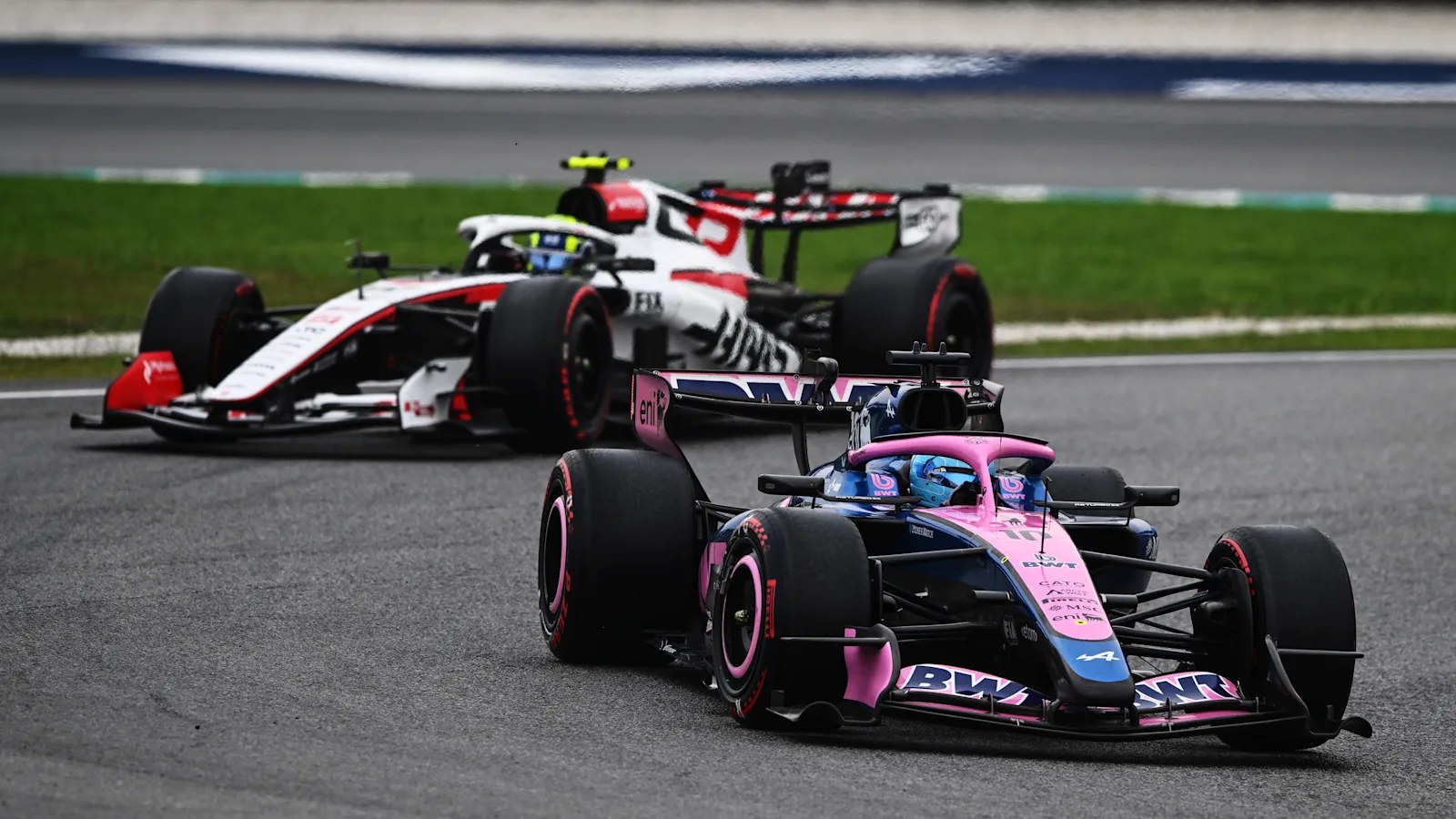
Alpine left the Formula 1 race at Sepang on 4 October 2026 without points. Pierre Gasly started ninth and finished 16th, while Franco Colapinto started 21st and finished 13th. Both drivers supported the decision to use soft tyres when the start was being prepared again, but the track dried more slowly than expected and the gamble failed to deliver points.
A gap between track appearance and grip
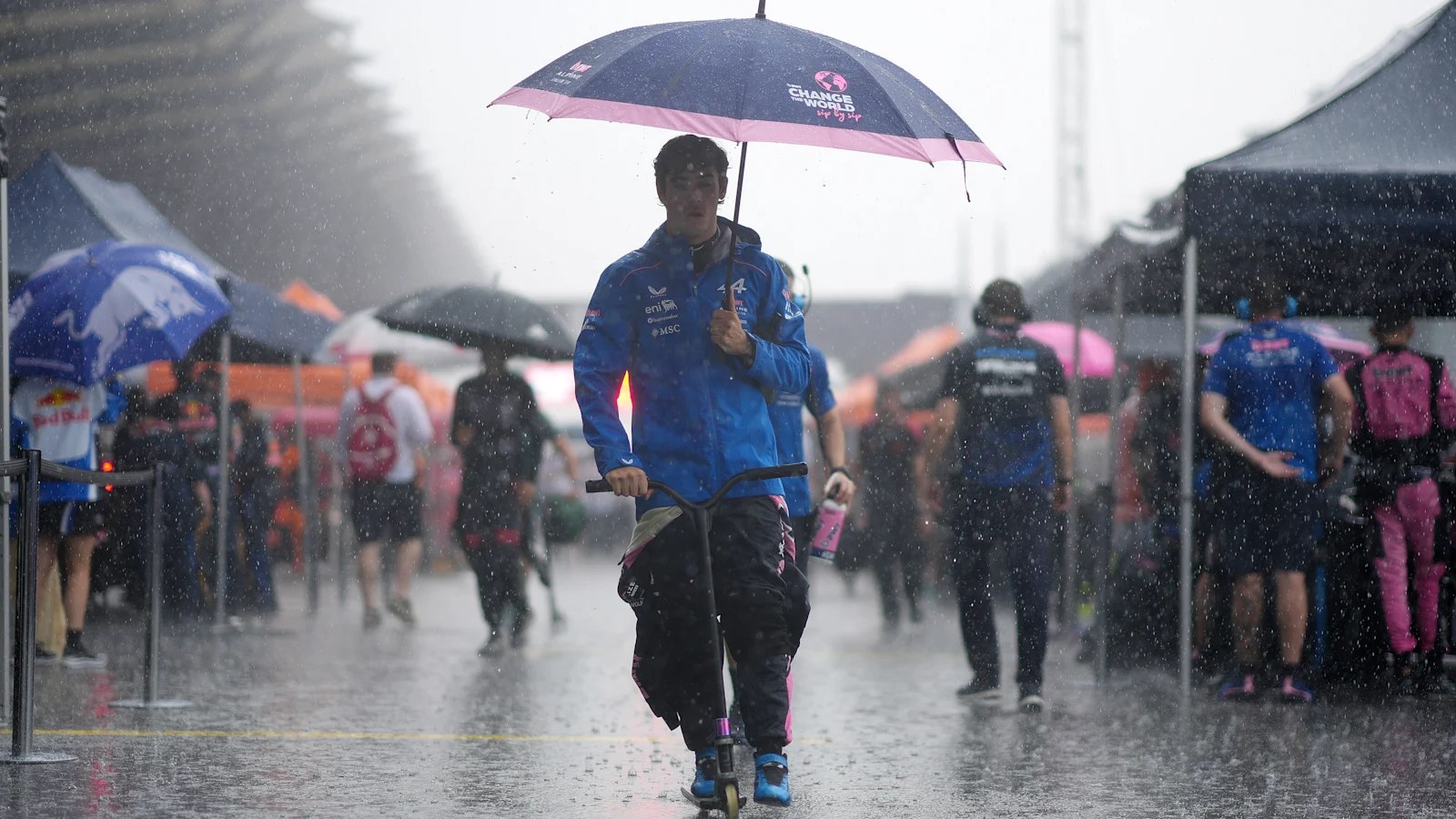
Rain delayed the first start attempt by about 40 minutes. Several cars then suffered power problems during the Safety Car-led starting procedure, which was suspended with the drivers returning to the pit lane. For the next attempt, Gasly and his team backed softs. He subsequently slid over the grass at Turn 5 on the formation lap, recovered the car and returned to the track.
Colapinto explained that high temperatures, an abrasive surface and little visible spray had led the team to expect conditions to suit slicks quickly. The surface remained greasy with very little grip, delaying the anticipated benefit. He acknowledged that the time needed for the track to dry had been a surprise and that both cars lost substantial time.
Gasly said the team could pit to change its plan or continue trying to make the original approach work. Alpine chose to persist. Both cars subsequently followed slick-tyre strategies, making the initial weather assessment and the later decision to stay with the plan relevant to how the race unfolded.
Two tyre sequences and the final result
Gasly took new mediums on lap 9, new hards on lap 25 and used softs on laps 37 and 45, making four stops. Colapinto took new mediums on lap 9, new hards on lap 31 and new mediums again on lap 42, stopping three times. After the same initial choice, their tyre sequences diverged.
Alpine’s two-driver race result
Both drivers completed 55 laps. Gasly finished 23.315 seconds behind the winner and Colapinto 18.997 seconds behind. Colapinto’s finish was eight places above his grid position, while Gasly’s was seven places lower.
| Driver | Grid position | Finish | Laps completed | Gap to winner | Points |
|---|---|---|---|---|---|
| Pierre Gasly | 9 | 16 | 55 | +23.315s | 0 |
| Franco Colapinto | 21 | 13 | 55 | +18.997s | 0 |
Executive Advisor Flavio Briatore acknowledged that the team had failed to make the right calls or do a good enough job. He still saw promise in its dry-weather speed and wanted to continue chasing fifth in the constructors’ standings. Colapinto also praised the pace on dry tyres, giving both men grounds for optimism about later races.
INKA SPORTS analysis and summary — starting risk and the response
Ninth and 21st on the grid created different risk calculations. Gasly already held a top-ten starting position that an unsuccessful tyre choice could undermine, while Colapinto needed an additional opportunity from the back. Colapinto explicitly linked his willingness to gamble to his grid position and the rain. Gasly also supported using softs. Both backed the same initial choice from different starting positions.
The initial forecast and the response when it failed deserve separate examination. Limited spray, high temperatures and the rough surface informed the team’s prediction, while the greasy surface and low grip reported by the drivers called for reassessment. Gasly confirmed that the team considered changing its plan or continuing, making the later decision to persist part of the review.
Alpine’s specific lesson is to examine both its initial tyre judgment and its response to changing conditions. The grid positions shaped the distribution of scoring opportunities and risk, while driver feedback needed to keep updating the assessment of the track. The drivers and team praised the dry pace. Recognising sooner when the original plan has failed, and reducing losses through that transition, remains an issue to address in returning to the points.