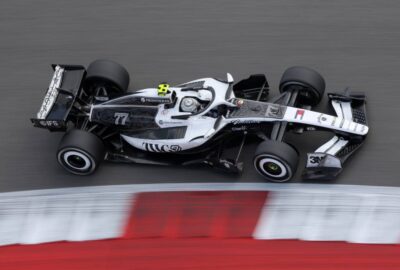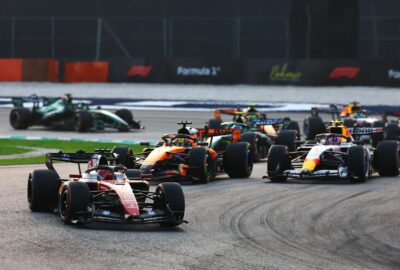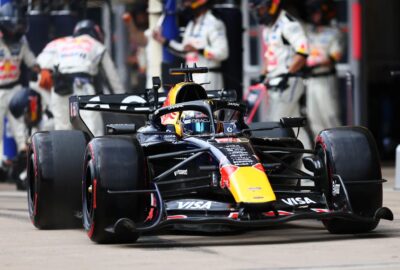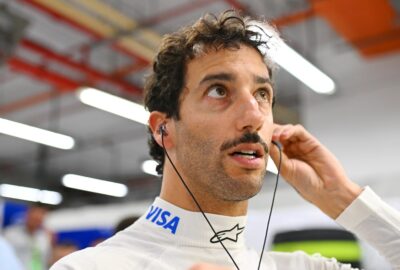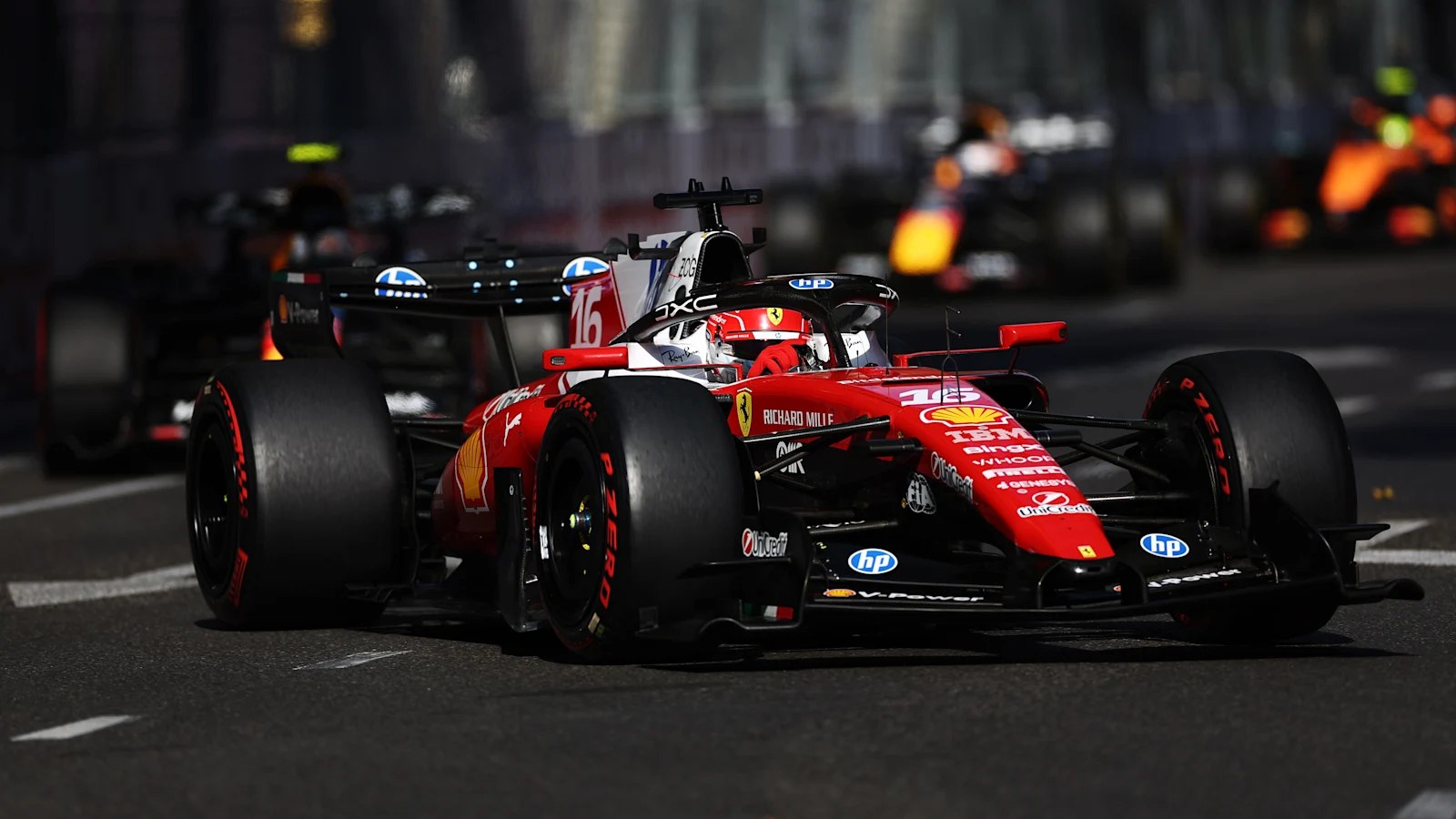
Ferrari finished the 2026 F1 Azerbaijan Grand Prix with Charles Leclerc fourth and Lewis Hamilton sixth. After the race, Leclerc said the team had lacked recent upgrades and needed to close the gap to those ahead. Responding in an official F1 interview published on 28 September, team principal Frédéric Vasseur said a new package would arrive “soon”, but did not announce when it would be introduced.
The Baku contrast: why a front-row start was difficult to defend
Leclerc qualified second, but dropped to fifth at the start of the race before returning to fourth after an Oscar Piastri mistake. Vasseur said the team had not expected to reach the front row at a circuit with such high power demands. Even after securing that grid position, it knew defending at the start and after safety-car restarts would be difficult. He considered fourth and sixth the best results Ferrari could achieve in Baku, but said the team would not be satisfied with that.
Vasseur described a chain of compromises: to avoid being passed too easily on the straights, the team might run less downforce than ideal, losing lap time as a result. He said Monza had presented a similar situation, with reasonable speed and qualifying performance followed by lost positions on the straights at the start.
Tyre operating temperatures and development priorities
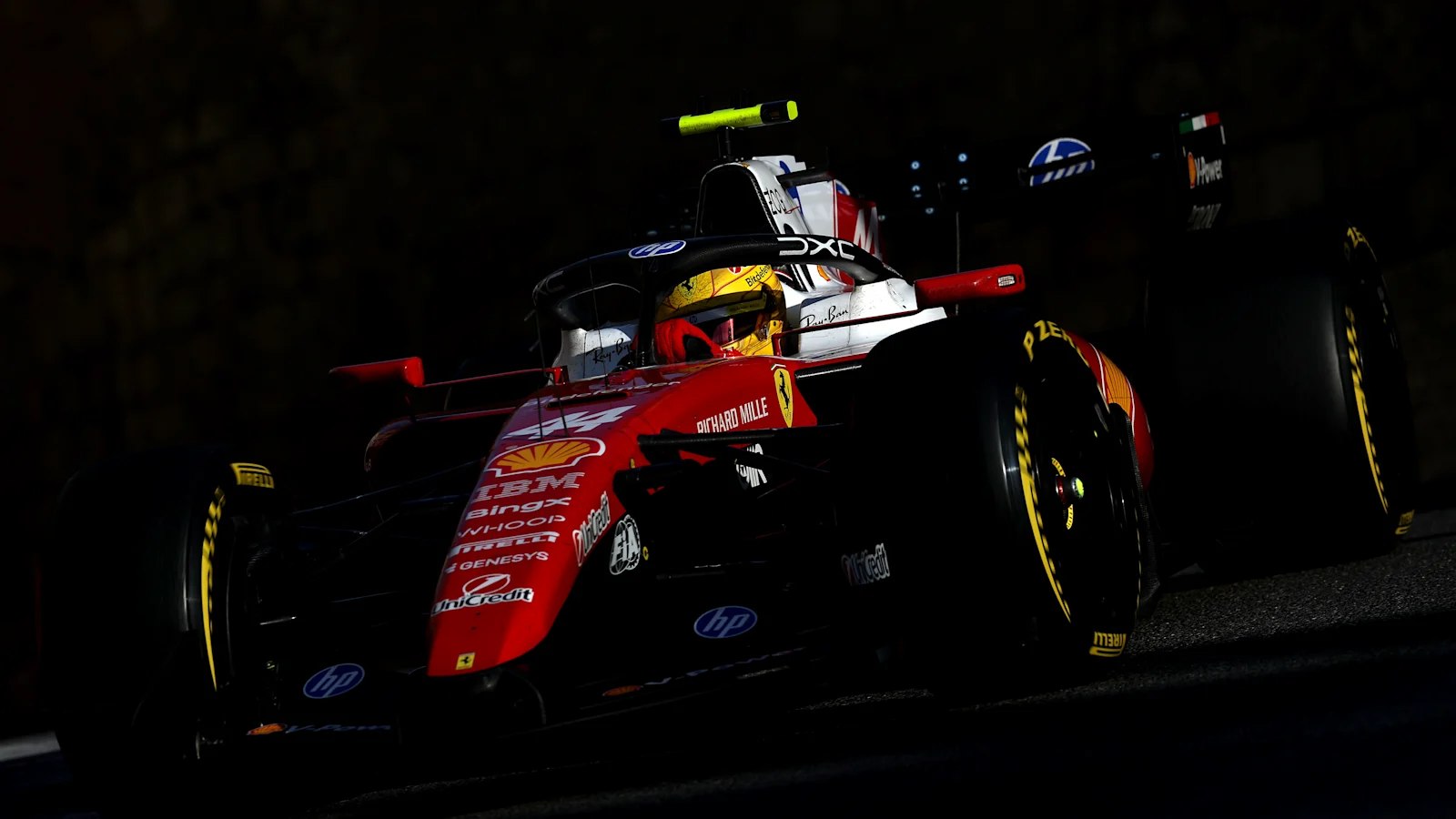
Hamilton attributed a significant part of his poor race performance to difficulty getting the tyres into the correct operating temperature range. He had already raised the issue during practice. In an interview on 24 September, he said an out-lap followed by a preparation lap might still leave the tyres unable to generate grip, yet another lap could suddenly bring them to life. Hamilton also acknowledged a straight-line speed deficit to Mercedes.
On development, Vasseur considered the chassis more amenable to relatively quick improvements than the power unit. However, rivals’ progress had reduced Ferrari’s previous chassis advantage and might even have eliminated it. He cautioned that new parts sometimes still needed fine-tuning to work effectively. While continuing this season’s updates, the team also had to prepare for next year’s rule changes. In its technical update list of 24 September, F1 described Ferrari’s task as extracting performance from its existing package, while McLaren brought changes including sidepods, floor, diffuser and rear wing.
INKA SPORTS analysis: what Ferrari still lacks despite a front-row start
Why difficulty defending on the straights affects the whole lap
Downforce is the force of air pressing the car towards the road, helping increase grip and cornering speed. A lower-downforce set-up can reduce aerodynamic drag to accommodate straight-line speed. The difficulty Vasseur described is that, to avoid being passed too easily on the straights, the team has to move away from its ideal downforce setting and lose lap time. Leclerc qualified second but fell to fifth at the start, showing that a front-row position did not remove this trade-off: maintaining position on the straights and delivering speed across the lap have to be addressed together.
Grip must be available when acceleration is needed
Hamilton’s feedback describes another limitation. Grip appearing suddenly after an extra lap means the car’s speed also depends on whether tyre preparation is complete. Being able to go fast on one particular lap and being able to build speed smoothly after an out-lap and preparation lap are different requirements. Vasseur was discussing lap time lost through a downforce compromise; Hamilton was discussing when the tyres could provide grip. Their coexistence explains why improving straight-line speed alone does not fully describe Ferrari’s needs.
Rivals continue developing as the former chassis advantage shrinks
The reduction in chassis advantage described by Vasseur is relative to Ferrari’s opponents. Baku’s technical list showed Ferrari still working to extract performance from its existing package that week, while McLaren introduced several aerodynamic updates. The call for Ferrari upgrades therefore stems both from difficulties using the current car and from rivals’ continued development. Vasseur also stressed that some new parts need fine-tuning before they work: introducing components and using them effectively in competition are two separate stages of the development task ahead.
Conclusion
Ferrari’s Baku difficulties are connected: defending position on the straights influences downforce choices, tyre preparation determines when grip arrives, and rivals’ progress erodes the previous chassis advantage. Leclerc’s front-row start demonstrated a single-lap result, while fourth and sixth in the race exposed limitations across a complete race. Vasseur has promised chassis updates as soon as possible, but new parts, set-up and tyre use still need to work together to improve race performance in these areas.