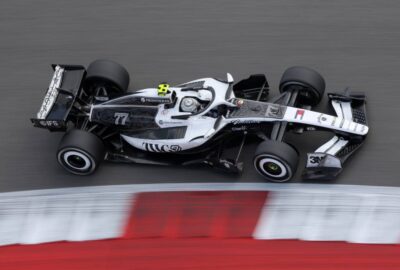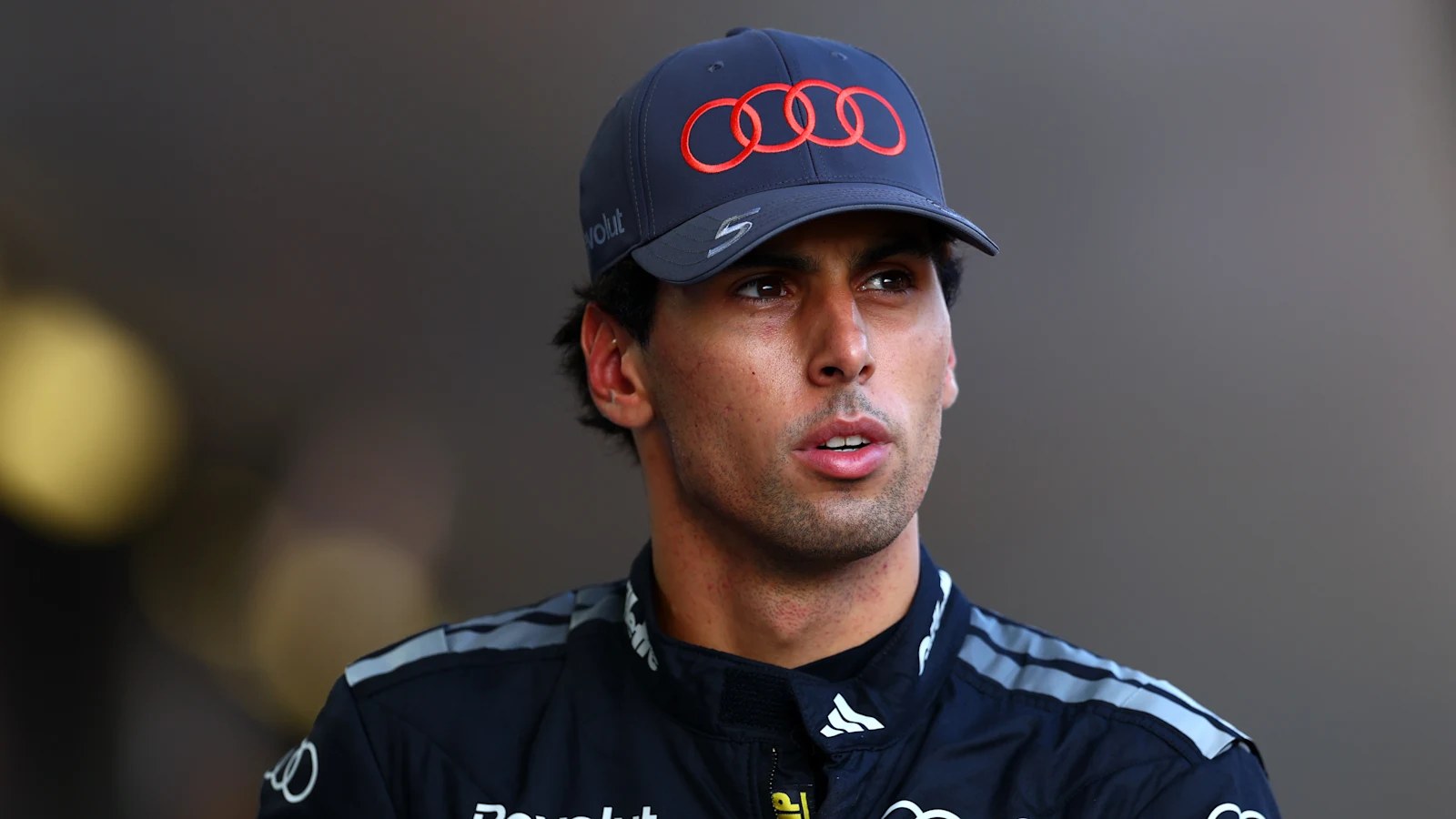
Audi brought a set of new aerodynamic components to the 2026 F1 Azerbaijan Grand Prix, yet Gabriel Bortoleto and Nico Hulkenberg qualified 17th and 18th on 25 September, both exiting in the first qualifying session (Q1). Neither reached the second session (Q2), but the drivers described different difficulties: one lacked pace throughout the weekend, while the other’s decisive timed lap was disrupted. Those specific circumstances matter when assessing whether the new parts worked.
From Monza to Baku: how the gap to advancement changed
The official results make the gaps more precise. The slowest time among drivers who actually advanced from Baku Q1 was Liam Lawson’s 1:45.535. Bortoleto recorded 1:45.799, 0.264s slower, and Hulkenberg 1:45.920, 0.385s slower. These are valid times from the same qualifying stage. The time of the driver who finished 16th overall is not simply the advancement threshold, because subsequent sessions reorder the positions.
The contrast with Monza that Bortoleto mentioned can also be quantified. In the second qualifying session at the Italian Grand Prix, he was 11th with 1:22.517, just 0.001s behind Lewis Hamilton’s 1:22.516, the slowest time among drivers advancing to the third session (Q3). Being close to Q3 in Monza and failing to clear Q1 in Baku represent distinctly different competitive positions. But those gaps come from different circuits and different qualifying stages; subtracting one from the other cannot yield the lap time lost through an upgrade.
A lack of grip and a lost tow are different difficulties
Bortoleto told F1 that Baku’s problems were not confined to the power unit: cornering grip and straight-line performance were both unsatisfactory. He felt the new parts had added downforce but remained puzzled by the car’s overall performance, also mentioning the possible influence of rivals’ progress and straight-line speed. Feeling an improvement in one area and achieving a faster complete lap are separate assessments.
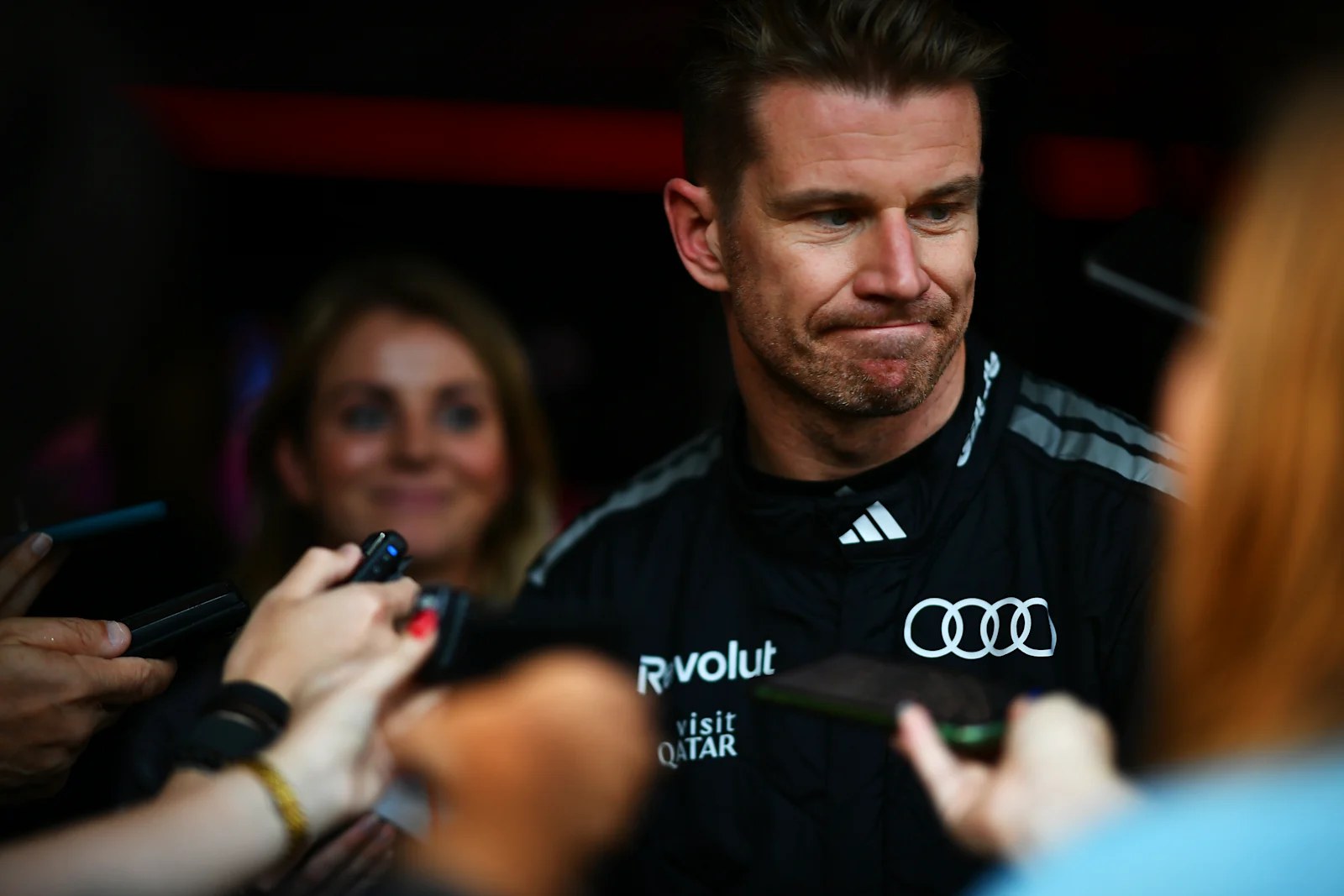
Hulkenberg described a compromised opportunity to set a time. After yellow flags at Turn 15, the car ahead abandoned its timed lap, leaving him without a tow from Turn 16 to the finish. A tow reduces the aerodynamic drag on the following car along a straight, helping it gain speed; losing that benefit can affect lap time. Hulkenberg estimated a loss of around half a second on that straight, but this was the driver’s immediate estimate, not a precise correction supplied by the team. It cannot simply be deducted from his time to guarantee advancement.
| Round | Session | Driver | Time | Slowest advancing driver’s time | Gap (seconds) |
|---|---|---|---|---|---|
| Monza | Q2 | Bortoleto | 1:22.517 | 1:22.516 | +0.001 |
| Baku | Q1 | Bortoleto | 1:45.799 | 1:45.535 | +0.264 |
| Baku | Q1 | Hulkenberg | 1:45.920 | 1:45.535 | +0.385 |
Results source: F1 Monza qualifying results, F1 Baku qualifying results.
INKA SPORTS analysis: a disrupted timed lap cannot explain every grip problem
The two difficulties need separate treatment. Bortoleto’s feedback points to trouble finding satisfactory grip throughout the weekend. Hulkenberg’s account shows that the car ahead abandoning its lap changed the conditions for his fastest-lap attempt on the long straight. A single disrupted lap can change a qualifying result, but cannot explain his team-mate’s experience across the weekend. Even if Audi can arrange a less interrupted timed lap, it must still address the cornering and straight-line problems Bortoleto described.
Assessing the new parts also requires separating those influences from the components themselves. More closely matched configurations, fuel loads, tyre states and track conditions would help show how the car changed with the new package. The advancement gaps at Monza and Baku describe Audi’s competitive position on different weekends, but provide no comparison of old and new packages under equivalent conditions. These results expose the problems; on their own they cannot quantify how many seconds the upgrade gained or lost.
Summary
Audi’s Baku qualifying shortfall included weekend-long pace and grip difficulties, alongside the loss of a tow on Hulkenberg’s decisive lap. The former requires improved overall car performance; the latter calls for checking its actual pace during less disrupted running. Assessing the new components means examining whether the extra downforce Bortoleto felt can produce better lap times and whether the difficulties recur under different conditions. A double Q1 exit alone is not enough for a final verdict on the upgrade.