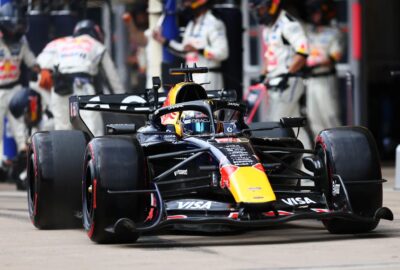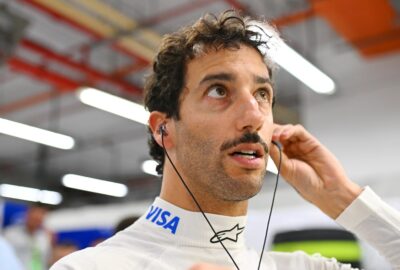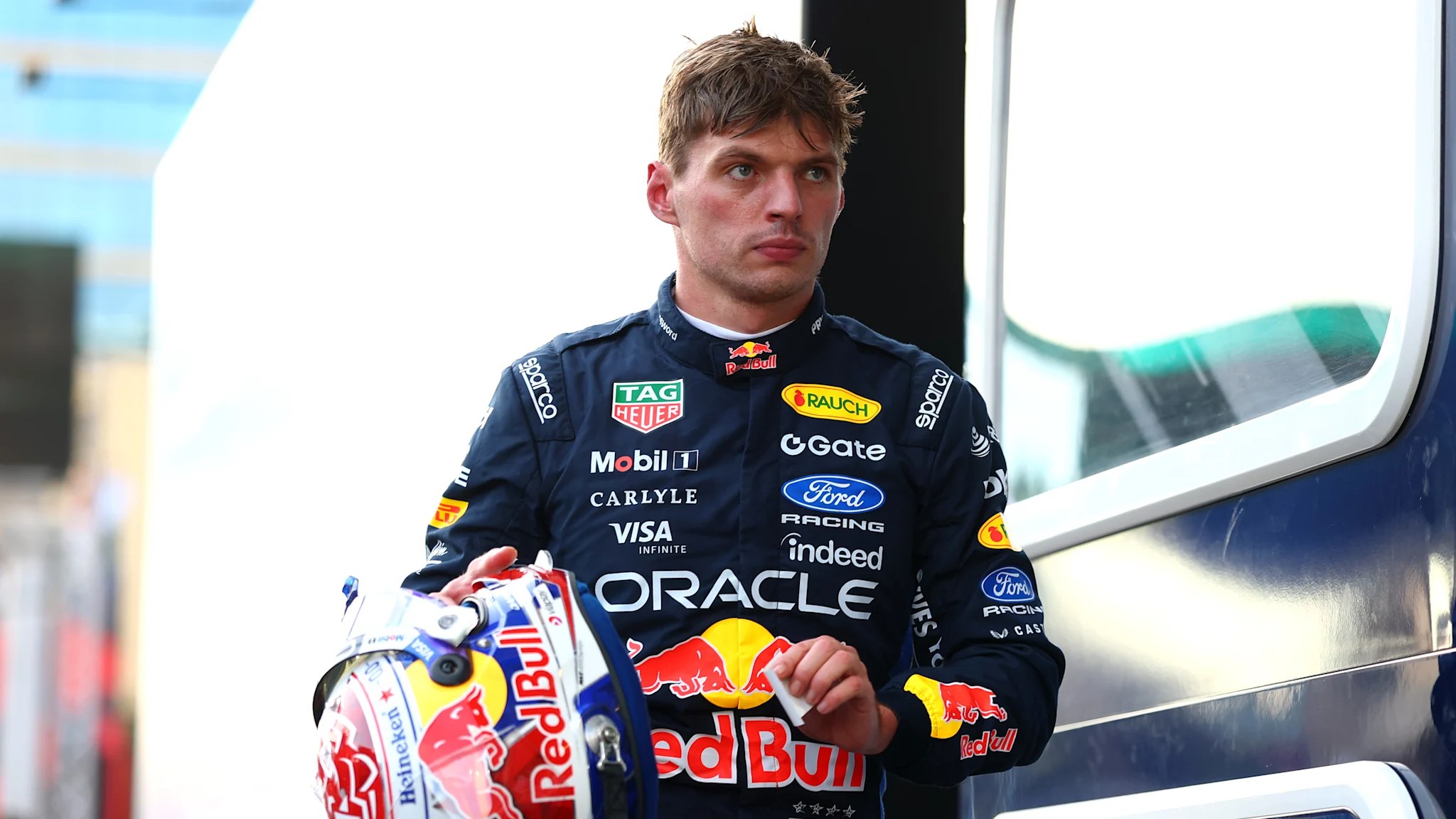
Qualifying for the 2026 F1 Round 15 Azerbaijan Grand Prix concluded in Baku on 25 September. Max Verstappen, fastest in FP3, qualified eighth with 1:44.081, while team-mate Isack Hadjar took fourth with 1:43.500. Afterwards, Verstappen told F1 about the successive effects of straight-line speed, battery charging and yellow flags. The positive feeling from the car in practice did not translate into a result in the final stage of qualifying.
From a straight-line deficit in the first session to yellow flags on the final lap
F1 qualifying consists of Q1, Q2 and Q3, which decides the top ten positions. Verstappen said he had been losing around 0.5s to Hadjar on the straights from the first session, Q1. He pointed to engine performance and said the team had not yet understood the cause.
In the third session, Q3, Verstappen had intended to set a representative fast lap midway through the session. He said the battery was not charged to 100% as he exited Turn 16, forcing him to abandon the lap. Preparing for another attempt would then allow the tyre temperatures to drop. In his account, Baku’s sensitivity to tyre temperature also compromised preparation for the next run.
On his final timed lap, Verstappen faced both the straight-line speed problem and yellow flags caused by Lando Norris going off ahead. He felt George Russell’s speed that day made pole difficult to challenge for, but that second had been possible. Second place was Verstappen’s assessment of his potential; his official qualifying position remained eighth.
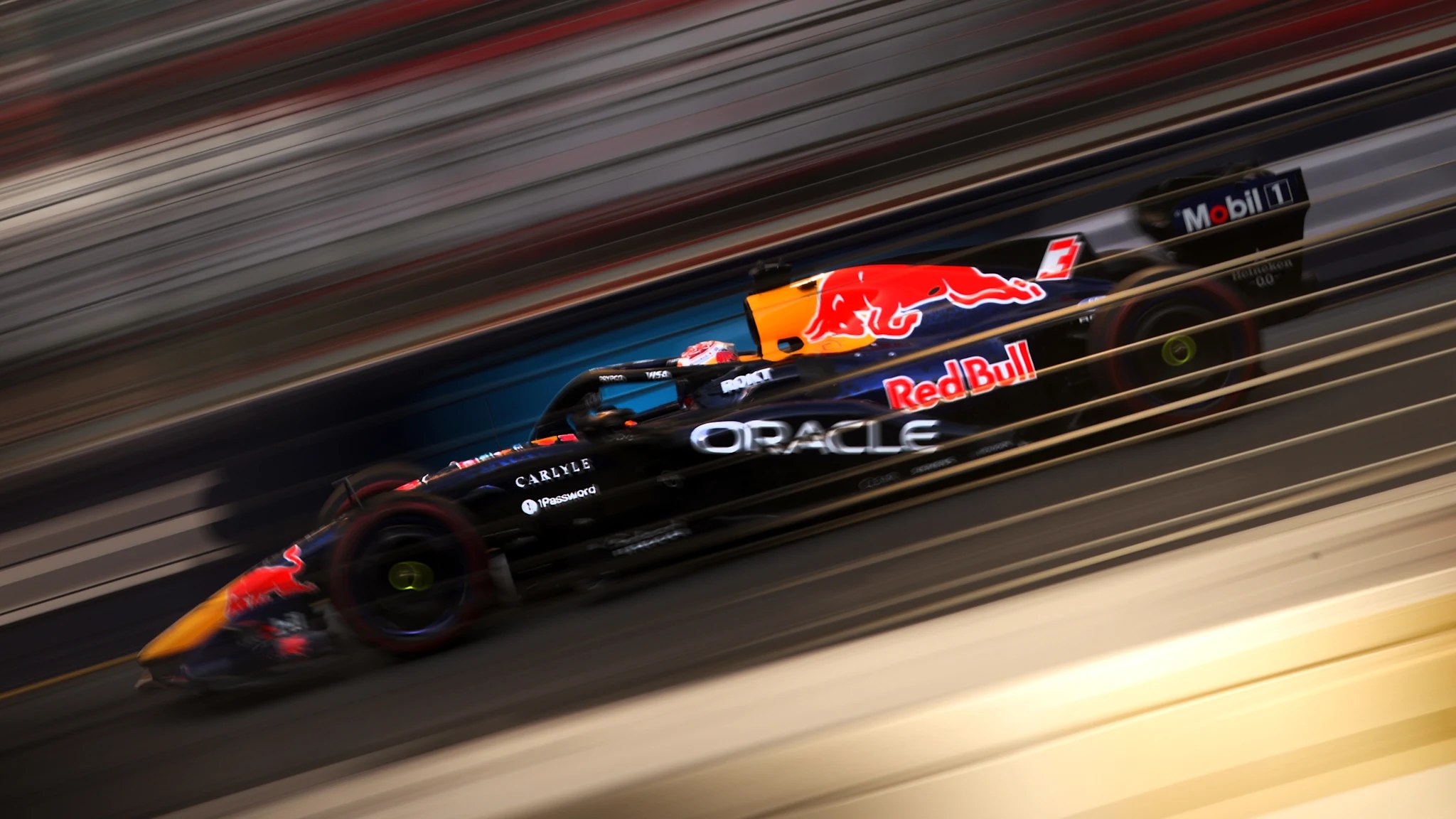
Times across two sessions: Verstappen did not improve in Q3
F1’s official qualifying results show that Verstappen was 0.375s slower in Q3 than in Q2, while Hadjar improved by 0.380s. The two Red Bull drivers finished Q3 separated by 0.581s. Russell’s pole lap was 0.837s ahead of second-placed Charles Leclerc. The table compares each driver’s fastest laps in different sessions, so the differences show changes in the times actually recorded. Q2 and Q3 took place separately, under conditions that were not identical.
| Driver | Qualifying position | Fastest Q2 lap | Fastest Q3 lap | Q3 compared with Q2 |
|---|---|---|---|---|
| George Russell | 1 | 1:43.462 | 1:42.526 | 0.936s faster |
| Charles Leclerc | 2 | 1:43.780 | 1:43.363 | 0.417s faster |
| Isack Hadjar | 4 | 1:43.880 | 1:43.500 | 0.380s faster |
| Max Verstappen | 8 | 1:43.706 | 1:44.081 | 0.375s slower |
Results source: Official F1 Azerbaijan Grand Prix qualifying results. Lap times are shown as minutes:seconds.
INKA SPORTS analysis: successive disruptions changed the conditions for completing a fast lap
Verstappen’s account shows that the problems did not begin with the final yellow flag. He was already losing time on the straights in Q1. In the middle of Q3, insufficient battery charge forced him to abandon a fast lap and then manage the tyre temperatures again. His final opportunity was also affected by yellow flags. Those difficulties influenced straight-line speed, whether a prepared fast lap could be completed, and whether the final attempt could deliver its full potential. A qualifying lap requires all those conditions to come together, and an earlier interruption can alter preparation for the next attempt.
The timing comparison makes the progression clearer. In Q2, Verstappen was 0.174s faster than Hadjar. In Q3, Hadjar improved, while Verstappen could not repeat his own Q2 time. The other Red Bull qualified fourth, showing that the team’s car still had front-running performance. The key to Verstappen’s eighth place was his failure to carry the speed already shown earlier into the decisive session. The straight-line issue, interrupted preparation and yellow flags need to be examined separately to establish how each affected the final result.
Summary
This Baku qualifying session exposed the difficulty of completing a fully prepared fast lap. Red Bull next needs to identify the straight-line deficit Verstappen described and coordinate battery preparation with tyre condition, creating the conditions to test the car’s speed on a complete timed lap. Leading FP3 had given him reason to target the front, but qualifying repeatedly denied him an uninterrupted opportunity to deliver. The change between those results needs to be understood through his account of straight-line problems and disrupted fast-lap preparation.