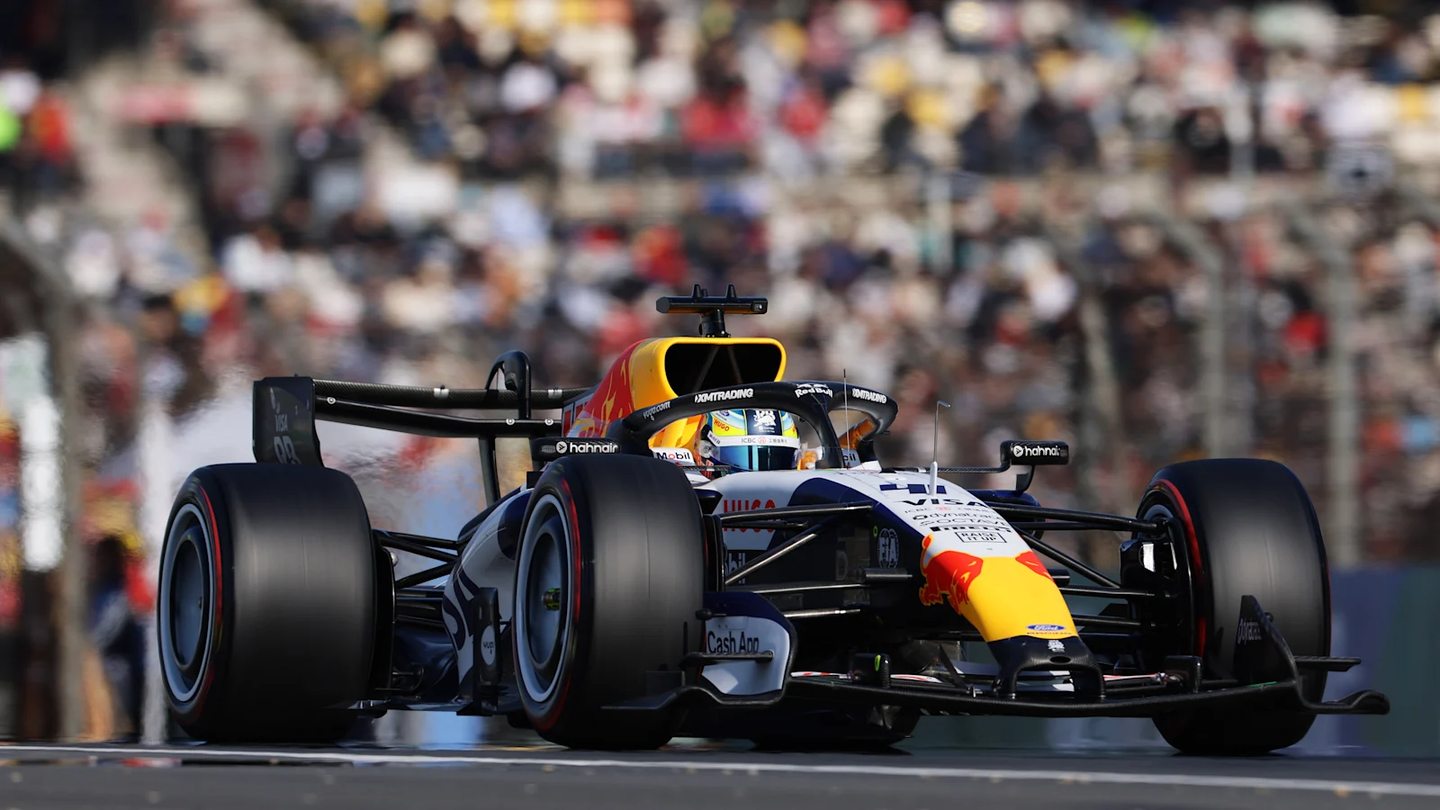
According to Motorsport.com’s report on 19 September, Racing Bulls driver Arvid Lindblad appeared on Italian modification channel Carmagheddon’s show, driving a motorised sofa and a modified Fiat Panda. The 19-year-old British driver came close to tipping forward during the Panda’s rear-lifting braking challenge and ultimately decided to stop.
The motorised sofa made him more nervous than F1 qualifying
The sofa’s test route included a figure of eight and a small hairpin. Lindblad said he was frightened when he first sat on it, feeling more nervous before setting off than when driving an F1 car. He was calmer before F1 practice and qualifying. Familiarity helped, but he still found the sofa difficult to drive and had never imagined having such an experience.
The Panda lifts under braking, nearly reaching vertical on the final attempt
He then switched to the modified Fiat Panda. Participants were challenged to see who could lift the rear highest under braking. On Lindblad’s final attempt, the car rose further than he expected.
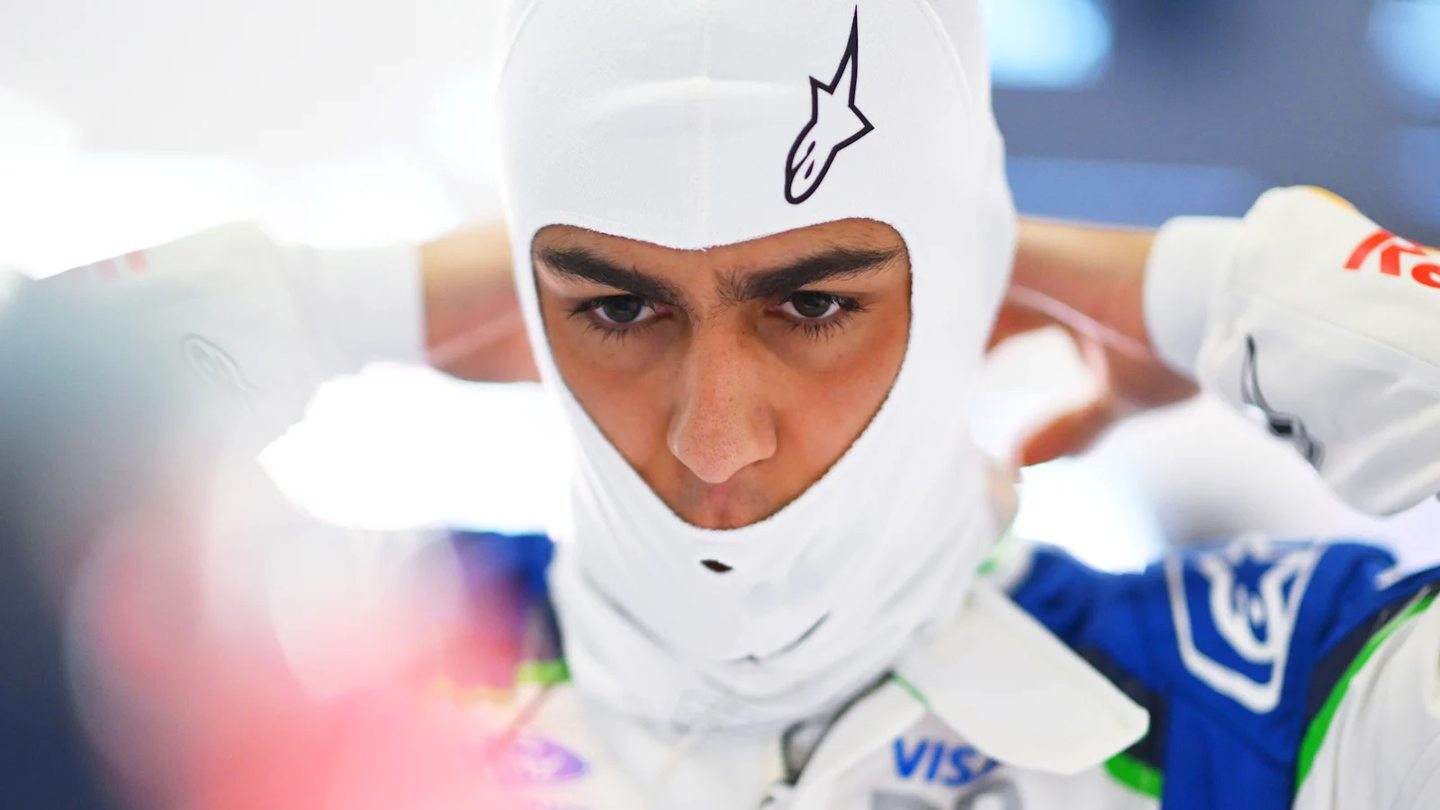
Lindblad explained that he initially felt confident because he had been told the car could not tip over. After his first attempt felt too slow, he increased his effort. By the final run, he was looking at the ground and the car was almost upright. He then said it was time to stop or it might actually go over, while also saying he had enjoyed the experience.
INKA SPORTS analysis: why initial confidence did not determine the final choice
In Lindblad’s account, the two experiences differed in the basis of his confidence. Nervousness on the sofa eased through actual control and growing familiarity. His initial confidence in the Panda instead came from someone else’s assurance that it would not tip. Feeling too slow on the first attempt led him to push further; when the car approached vertical and exceeded expectations, he stopped. That sequence shows that initial confidence did not replace judgment of the vehicle’s response, nor did adapting to the sofa directly solve the next challenge. The near-tip is eye-catching, but the more useful observation is that new experience led him to revise his expectations.
Summary
The two experiences illustrate different grounds for his decisions. Adaptation on the sofa came through actual handling, while the Panda’s near-vertical response displaced the initial assurance. Stopping reflected an adjustment to that particular attempt. His account cannot establish the modified car’s mechanical limits or assess his F1 racing ability.