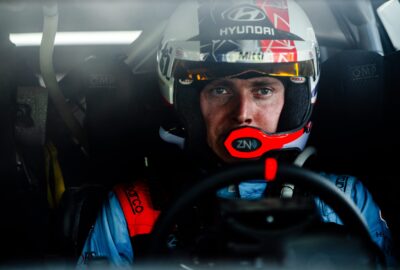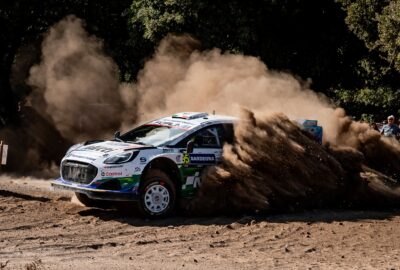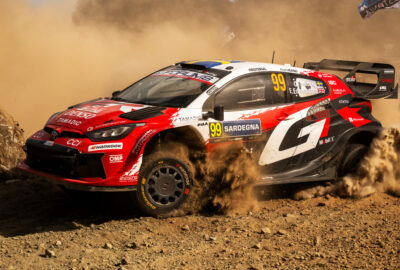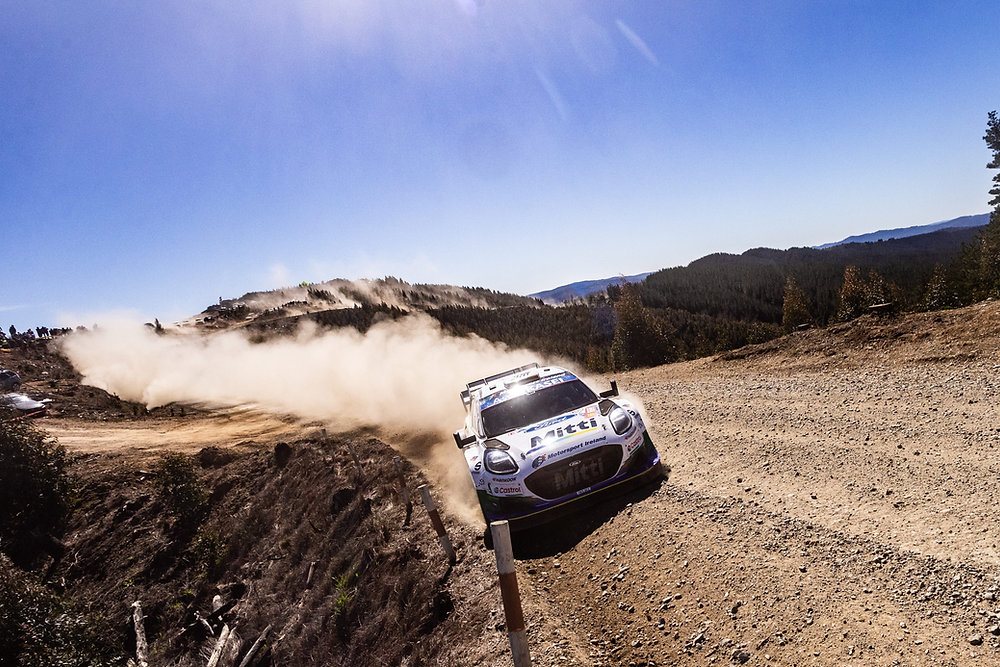
WRC plans to test a helmet camera at Rally Italia Sardegna. Promoter CEO Eric Boullier told Motorsport.com that one M-Sport Ford car would carry an integrated Bell Racing Helmets system, aiming to bring a perspective closer to the driver’s eye line into live race coverage.
From pre-event prototypes to a race-weekend trial
Pre-event testing and this live-event trial have different scopes. According to the report, WRC evaluated a prototype with Italian helmet manufacturer Stilo in 2024, and drivers had used related equipment during pre-event tests. It had not previously been permitted during WRC events. The trial involving M-Sport Ford will bring the evaluation into the race weekend.
The latest trial uses Bell equipment. Boullier said the technology had FIA approval and had already been used successfully in F1. He contacted F1 to help advance a WRC trial. The specific plan is to test on Thursday and Friday. Only if it works successfully might viewers see the footage in the live broadcast.
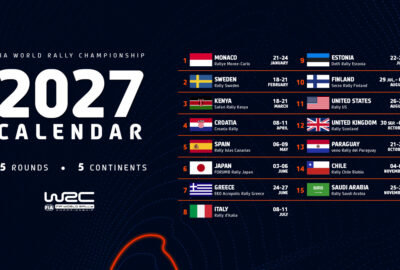
The Sardinia round is scheduled for 1–4 October. On 17 September, the FIA announced the cancellation of the Saudi Arabian WRC round originally planned for November, with Sardinia intended to become the 13th and final round. The calendar change still requires World Motor Sport Council approval. The weekend hosting the trial is therefore also expected to be the season finale.
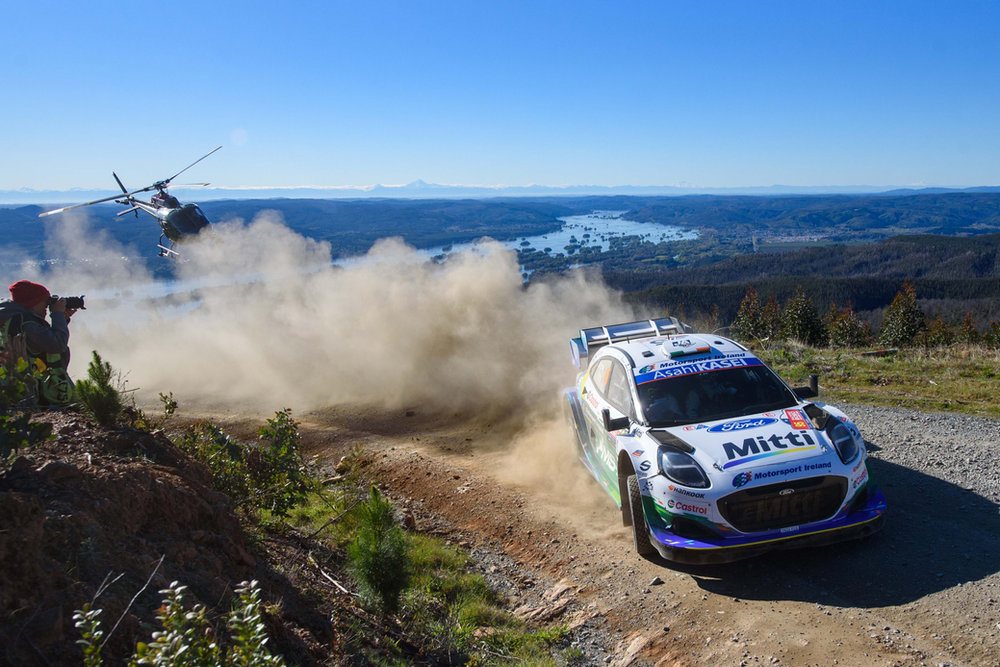
Broadcast plans also cover onboard data and service-park access
The helmet view is only one of Boullier’s proposed broadcast improvements. He also plans to upgrade onboard transmission technology and expand bandwidth so more camera feeds and vehicle data can be sent back and eventually presented to viewers through the championship’s platforms. The plan aims to broaden the information available from the car, but no specific bandwidth targets or implementation timetable were disclosed.
Another change concerns the area outside the car. Boullier proposed transforming the service park into a WRC Arena, with broadcasts showing more behind-the-scenes activity, driver personalities and emotions. Alongside stage images such as cars jumping, he wants viewers to understand the participants’ lives and connect the people more closely with the competition.
INKA SPORTS analysis: linking a new perspective with data and human stories
Taken together, the plans aim to improve image capture, onboard transmission and content organisation. Helmet cameras add the driver’s perspective, greater bandwidth expands the available information, and service-park access supplies human stories beyond the stages. If these elements work together, viewers could more readily connect a driver’s immediate actions with the car’s condition and the competitive situation. An in-event trial on one car is a starting point for testing whether the new view can fit into that approach.
Summary
The immediate question in Sardinia is whether the Bell helmet camera can progress from Thursday and Friday testing to live coverage. The longer-term direction is to connect onboard views, vehicle data and service-park stories. The former depends on this trial; the latter remains Boullier’s proposed broadcast improvement programme.