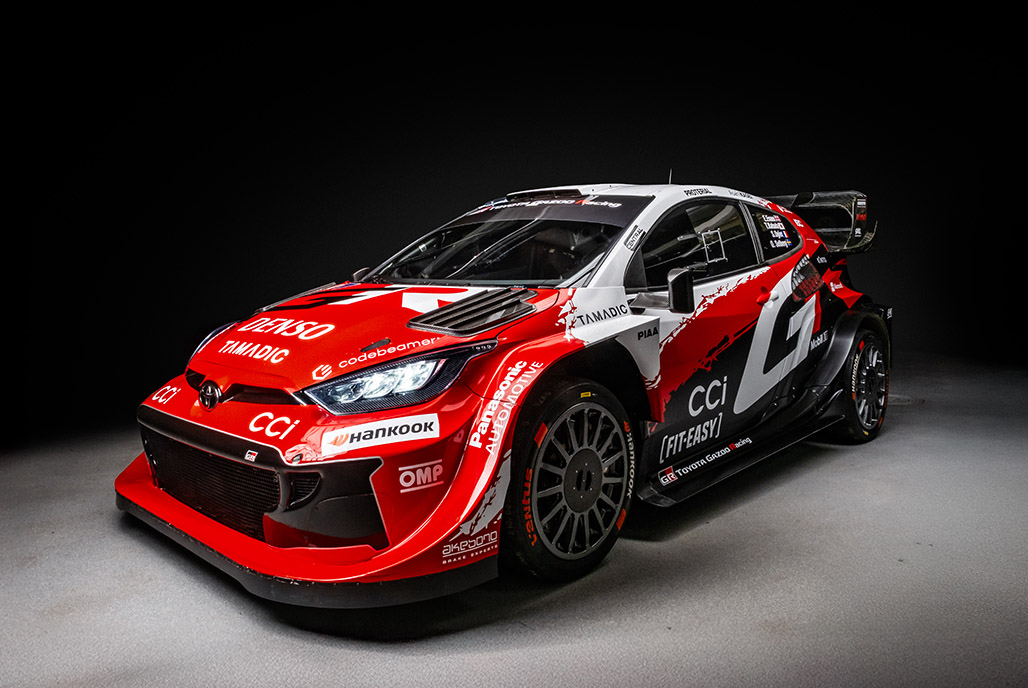
The 2026 World Rally Championship will open at Monte-Carlo from January 22 to 25. Crews will start in Monaco, with the action still centred on the French Alps and Gap again serving as the rally base. The challenge here is not simply to find speed on asphalt, but to judge where dry, damp, icy and snowy surfaces will appear within a single stage. Forecasts suggest heavy snow is possible over the weekend, with changing conditions potentially magnifying the effects of running order and tyre choice.
This year’s rally comprises 17 special stages and more than 340 competitive kilometres. Even when ice remains on a shaded corner, a sunlit stretch a few hundred metres away may already be wet. Before starting, crews can only choose tyres on the basis of their recce notes, feedback from ice-note crews and the weather at that moment. A tyre suited to one section will not necessarily cover the whole stage. For those fighting to win, avoiding a loss of tens of seconds on a low-grip section is often more important than gaining a few on dry asphalt.
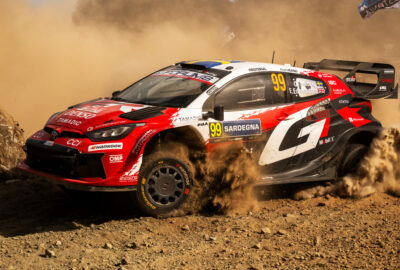
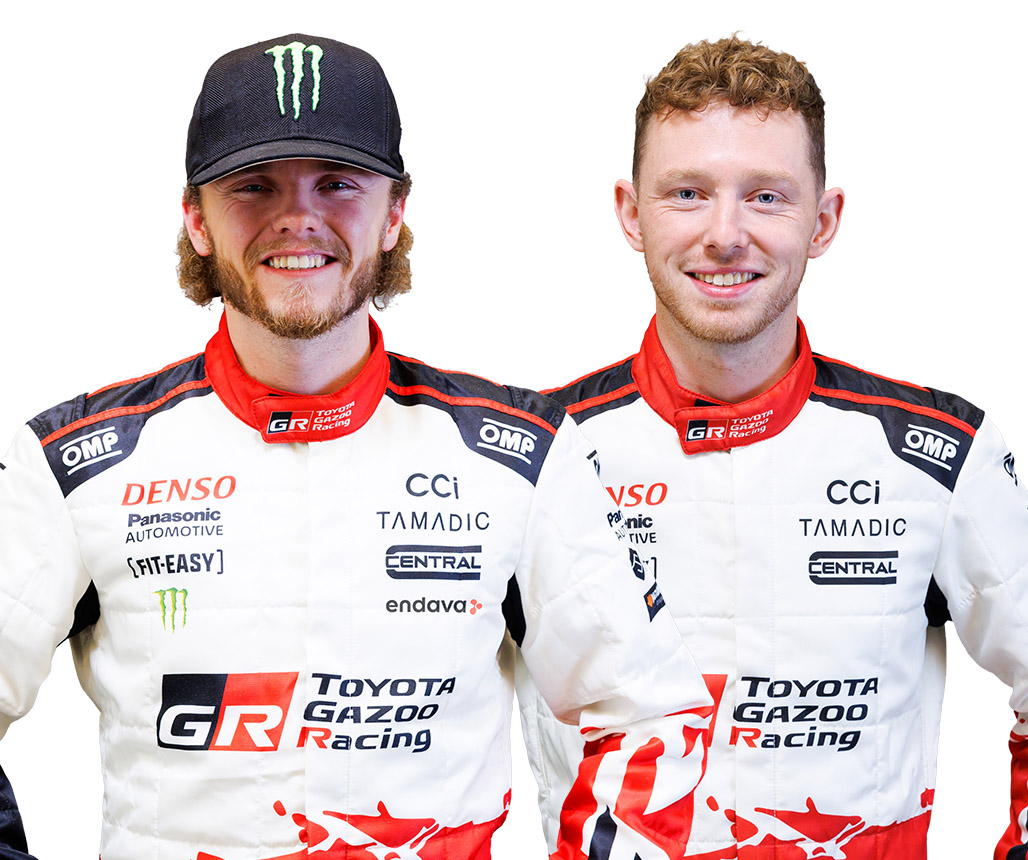
Toyota begins the new season with reigning drivers’ champion Sébastien Ogier. Born in Gap, Ogier has already won Monte-Carlo 10 times; another victory this week would further extend his record for wins at this event. Elfyn Evans is still pursuing his first world title, and the points earned at Monte-Carlo will provide the starting point for the season-long contest. Toyota will also field Takamoto Katsuta and Sami Pajari. The change to its line-up is the arrival of Oliver Solberg and co-driver Elliott Edmondson in the top category.
Solberg won the WRC2 title last season and took victory in Estonia on his first appearance in a Toyota Rally1 car. Monte-Carlo presents a different test: experience on fast gravel does not directly solve the problems of alternating ice and snow, tyre information lagging behind changing conditions and visibility at night. Toyota has fitted a new rear wing to its three manufacturer-nominated cars for this event and used the homologation updates available in the final season of the current Rally1 regulations to revise the aerodynamics and suspension. Whether the new parts help the crews maintain consistency will only become clear across stages with differing conditions.
Hyundai will field Thierry Neuville, Adrien Fourmaux and New Zealander Hayden Paddon, who returns to the top category. Neuville has won Monte-Carlo twice, while Fourmaux impressed on his first appearance here for Hyundai last season. At M-Sport Ford, Josh McErlean continues to build Rally1 experience, Jon Armstrong makes his top-category debut and Grégoire Munster is also entered. Whether the teams can keep their full line-ups in the event through the difficult weather will say more about their competitiveness than the order on a single test stage.
WRC2 also features a notable manufacturer return: Lancia is coming back to the World Rally Championship with the Ypsilon Rally2 HF Integrale, its first WRC appearance since 2000. Rally2 crews share many of the same roads as the top-category cars, and the surface will change with the passing cars and the weather. Competition within the class therefore has its own intrigue while also revealing how conditions evolve. At the preview stage, no testing pace can be treated as an official result; the overall times only start to accumulate on Thursday’s special stages.
The last two days of the itinerary also have distinctive features. On Saturday evening, a super special stage will run around Monte-Carlo’s harbour, bringing competitive action back to Monaco’s streets for the first time since 2008. The crews must then complete the final mountain tests on Sunday. Any lead built earlier could be consumed by a snowy stretch, a tyre decision or a sudden change in visibility. Above all, this rally will test who can keep reading the road, manage risk and carry their speed through to the final stage.