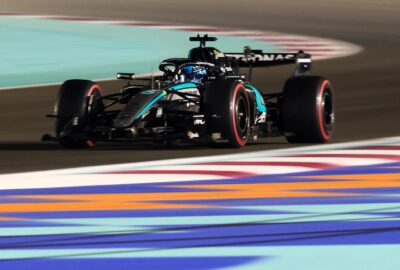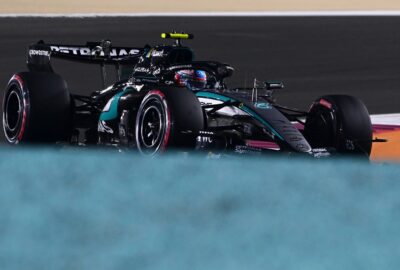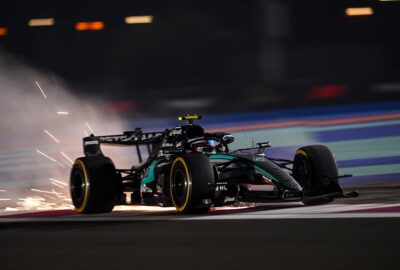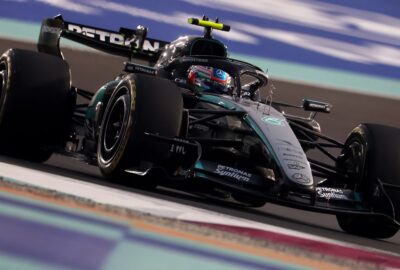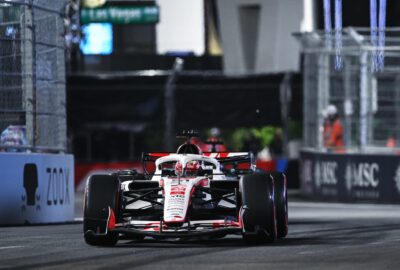
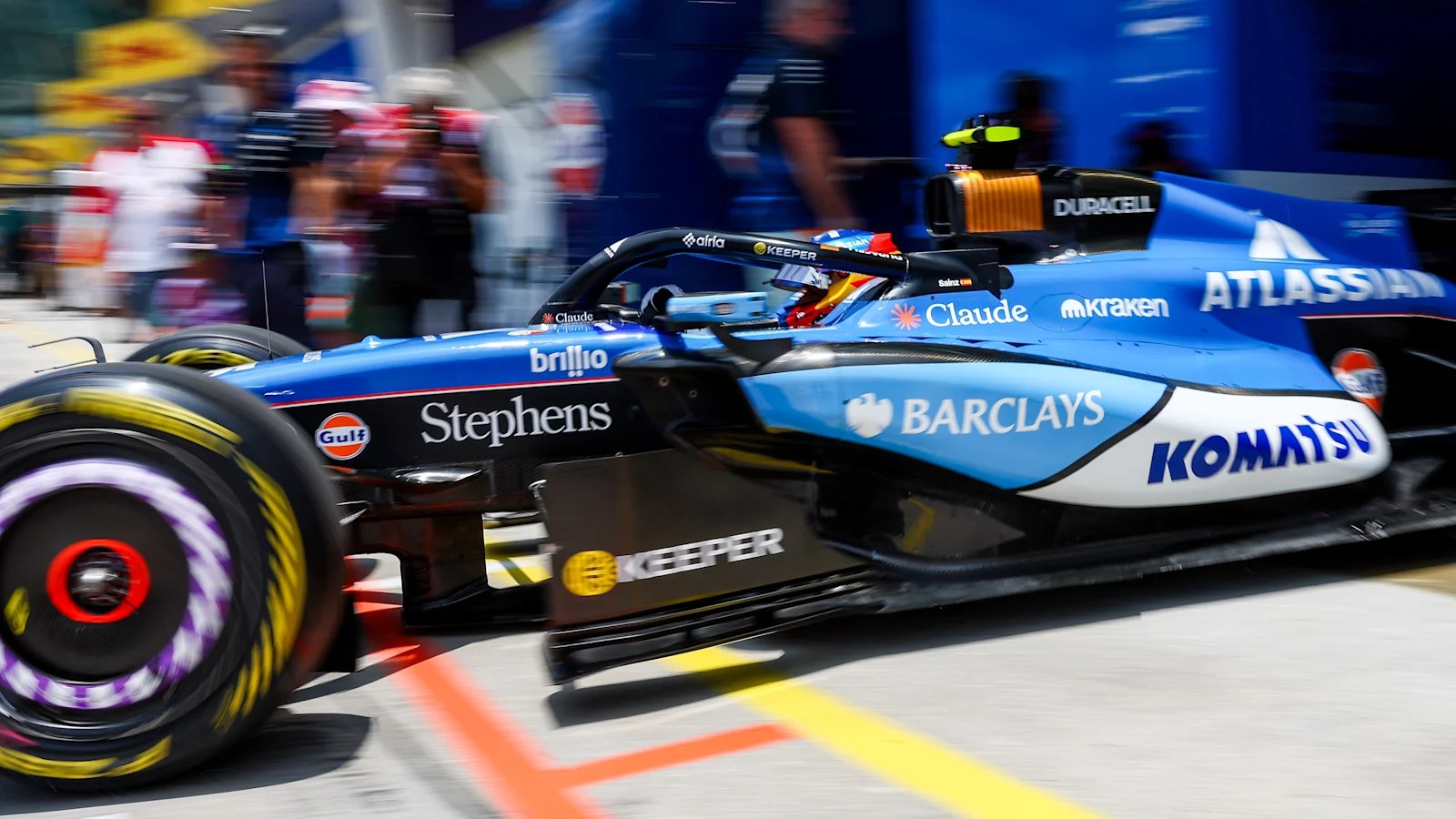
Williams completed both Friday practice sessions for the Bahrain Grand Prix at Sepang on October 2. Carlos Sainz finished FP2 in 17th and Alex Albon in 20th. Both drivers lapped faster than in FP1, but Sainz still struggled through the long, fast corners. Albon found that a change to help him through the slow turns cost him speed elsewhere.
The Baku chassis gave Williams room to carry ballast
Team principal James Vowles said the project began in March. The deadline was Baku, where Williams planned to introduce two lighter chassis alongside aerodynamic updates. Both chassis arrived on schedule and on budget, within a few grams of their target weight. Williams could carry ballast in the race in Azerbaijan.
At Friday’s press conference in Malaysia, Vowles explained the choice behind that investment. Williams will carry the chassis into 2027 and had prioritised spending on parts it will need next year. Some of the performance found in the wind tunnel had yet to reach the car. Vowles felt the team had added too little aerodynamic performance, and that Baku suited the car in ways Sepang would not.
Albon finds speed in slow corners as the fast turns trouble Sainz
Albon said the FW48 had initially felt better than expected in the medium- and high-speed corners. Changes ahead of FP2 improved the low-speed balance but gave away some of that strength. Sainz also felt the setup changes helped. Long, high-speed corners remained difficult, though, and he said that affected tyre degradation on Sepang’s abrasive asphalt.
Paul Williams, chief engineer for trackside performance, highlighted the need to prepare both front and rear tyres for low-fuel laps. Over a race distance, he expected the rough surface and high track temperatures to make degradation the dominant factor. The rain forecast for FP2 never came, allowing the drivers to switch from short runs to race simulations. They completed 108 laps between them across the two sessions.
Both drivers go quicker, but only Sainz moves up the order
Sainz improved from 1:40.605 to 1:39.930, a gain of 0.675 seconds and three places. Albon went from 1:40.321 to 1:40.221 yet dropped three positions. The benchmark laps in the two sessions were just 0.008 seconds apart. Albon had narrowed his gap to the session leader even as more drivers edged ahead of him.
| Driver | FP1 position | FP1 gap (s) | FP2 position | FP2 gap (s) |
|---|---|---|---|---|
| Carlos Sainz | 20 | 3.085 | 17 | 2.402 |
| Alex Albon | 17 | 2.801 | 20 | 2.693 |
INKA SPORTS analysis: Why a lighter chassis still left Williams chasing balance
Being able to add ballast showed that Williams had found room in its weight budget. Albon’s back-to-back experience highlighted a different limit. A setup that gained time in slow turns gave some of it back as the speeds rose. Sainz’s concern extended beyond a single lap to the effect of sustained high-speed cornering on his tyres. The practice times show where Williams stood against each session’s benchmark, but cannot isolate a lap-time gain from the new chassis.
With the chassis already earmarked for next season, the 108 laps offer Williams a way to check which handling traits it still needs to address. The engineers can set the drivers’ accounts of the different corner speeds alongside their long-run data. The Baku project delivered the weight Williams wanted. Sepang exposed the work that remains to get both ends of the car working across a full lap and over a stint.